









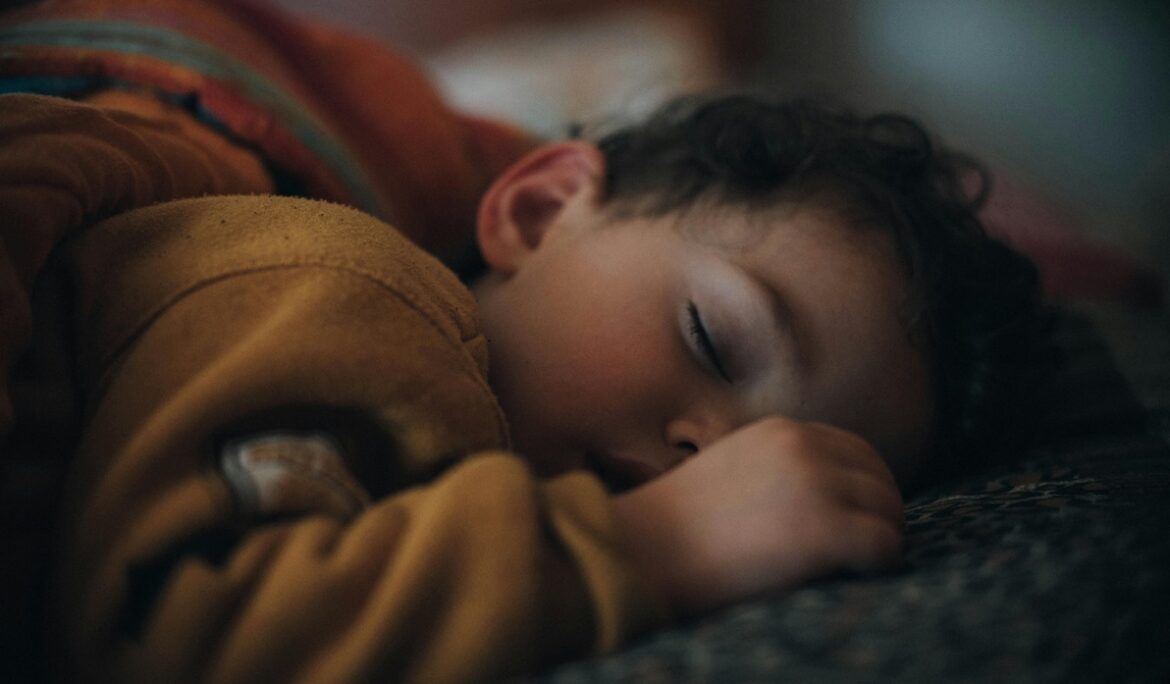
There’s nothing quite like the sound of a sleeping toddler — peaceful, soft, and utterly adorable. So when that quiet suddenly turns into noisy, rattling snores, it’s natural to feel a little alarmed. If you’ve been lying awake wondering, “Why has my toddler suddenly started snoring?” — you’re not alone. It’s one of the more common concerns we hear from parents here at Hastings Dental Centre in Port Macquarie.
The good news? In many cases, there’s a straightforward explanation. The important thing is knowing when it’s harmless and when it deserves a closer look. Let’s walk through what’s likely going on — and what you can do about it.
Is It Normal for Toddlers to Snore?
Occasional snoring in toddlers can be completely normal, particularly when they’ve got a sniffle or are going through a growth phase. However, snoring that happens regularly, sounds particularly loud, or comes alongside other symptoms — such as mouth breathing, restless sleep, or pauses in breathing — warrants attention.
Children need deep, restorative sleep to grow and develop properly. When breathing is disrupted night after night, it can affect everything from their mood and behaviour to their concentration and overall health. So while we don’t want to cause unnecessary worry, we also believe in being proactive.
Common Reasons Your Toddler Has Started Snoring
1. Swollen Tonsils or Adenoids
This is one of the most frequent culprits behind sudden snoring in young children. The tonsils and adenoids sit at the back of the throat and play a role in fighting off infections. In toddlers, these tissues can become enlarged — either due to repeated infections or simply as part of normal development.
When they swell, they reduce the space available for air to pass through, particularly during sleep when the muscles relax. The result? That telltale snoring sound. If your child’s snoring is persistent and accompanied by mouth breathing or frequent throat infections, enlarged tonsils or adenoids may be to blame.
2. A Blocked Nose from Allergies
Australia’s diverse plant life is wonderful — but for little noses, it can be a challenge. Seasonal allergens like pollen, dust mites, and pet dander can inflame the nasal passages, leading to congestion and, in turn, snoring. You might notice the snoring is worse at certain times of year or after your child has been playing outside.
When a toddler’s nose is blocked, they naturally breathe through their mouth instead. Mouth breathing changes the airflow through the throat, creating vibrations that produce that snoring sound.
3. A Cold or Upper Respiratory Infection
If your child has recently come down with a cold, snoring is a very common (and temporary) side effect. Infections cause swelling and mucus build-up in the nasal passages, making it harder to breathe freely through the nose during sleep.
In most cases, snoring caused by illness resolves on its own once your little one recovers. If snoring continues well after a cold has cleared up, it’s worth looking into further.
4. Structural Differences in the Nasal Passages
Some toddlers have a deviated septum — where the cartilage dividing the nasal cavity sits slightly off-centre. This limits airflow through one or both nostrils, which can make nasal breathing more difficult and increase the likelihood of snoring.
This kind of structural factor isn’t always obvious, and it’s something a dental or medical professional can help identify during an assessment.
5. Obstructive Sleep Apnoea
While the word “apnoea” can sound frightening in relation to a small child, it’s more common in children than many parents realise. Obstructive sleep apnoea (OSA) occurs when the airway becomes repeatedly blocked during sleep, causing brief pauses in breathing.
Signs to watch for include loud snoring, gasping or choking sounds during sleep, restlessness, sweating overnight, or waking up frequently. Children with untreated OSA may seem tired during the day, have difficulty concentrating, or be unusually irritable. If you suspect this might be happening, please don’t wait — early assessment and treatment can make a real difference.
6. Environmental Irritants
Smoke exposure — even secondhand — can irritate and inflame your toddler’s airway over time, contributing to snoring. Air quality matters too: dry indoor air, dust build-up, or mould in the bedroom can all affect how easily your child breathes at night.
7. A Growth Spurt
It might surprise you, but rapid growth phases can temporarily affect sleep and breathing patterns. Shifting muscle tone or changes in tissue size during a growth spurt may cause a few weeks of noisier sleep. In these cases, snoring often resolves on its own as the body adjusts.
When Should You Be Concerned?
Not all snoring requires urgent action, but there are certain signs that should prompt a visit to your healthcare provider sooner rather than later:
- Snoring most nights, not just occasionally
- Visible pauses in breathing or gasping during sleep
- Consistent mouth breathing, even when your child isn’t unwell
- Restless sleep, frequent waking, or night sweats
- Your child seems unusually tired, cranky, or unfocused during the day
- Difficulty swallowing or a consistently congested nose
Trust your instincts as a parent. If something doesn’t feel right, it’s always worth getting it checked out.
What Can You Do at Home?
There are several practical steps you can take to support your toddler’s breathing and sleep:
Keep the bedroom environment clean and fresh. Wash bedding regularly in hot water, reduce dust and allergens, and consider using an air purifier if allergies are a concern. A humidifier can also help in drier months by keeping the airways moist.
Try a saline nasal spray. A gentle saline rinse can help clear congestion and make breathing through the nose easier. It’s a safe and effective option for toddlers.
Adjust sleep positioning. Sometimes, sleeping on the side rather than the back can reduce snoring. It won’t fix an underlying issue, but it may provide some short-term relief.
Minimise allergen exposure. Wash stuffed animals frequently, keep pets out of the bedroom, and be mindful of outdoor pollen counts if your child has known allergies.
Eliminate smoke exposure. If anyone in the household smokes, taking it well away from the home entirely is the safest option for your child’s respiratory health.
How Hastings Dental Centre Can Help?
You might be wondering — what does a dental clinic have to do with snoring? Quite a lot, actually. The structure of your child’s mouth, jaw, and airway are deeply interconnected. Dentists who specialise in children’s oral health are well-placed to identify signs of airway problems, enlarged tissues, or structural concerns that could be contributing to your child’s snoring.
At Hastings Dental Centre in Port Macquarie, we take a whole-health approach to children’s dental care. During a check-up, we can assess your child’s oral structures and airway development, discuss any concerns you’ve noticed, and refer you to the right specialist if needed. Early intervention — whether that’s a referral for a tonsil assessment, guidance on managing allergies, or simply reassurance — can make a genuine difference to your child’s sleep and overall wellbeing.
We understand that as a parent, few things are more worrying than watching your child struggle, even during sleep. Our friendly team is here to help you navigate these concerns in a calm, supportive environment — because your child deserves to wake up every morning feeling well-rested and ready to take on the day.
Take the First Step
If your toddler has started snoring and you’re not sure what’s behind it, don’t leave it to chance. A professional assessment is the best way to get clear answers and put your mind at ease.
Call Hastings Dental Centre in Port Macquarie today to book an appointment for your child. Our team is experienced in working with young patients and their families, and we’re here to support your child’s health from the very start.
📍 Hastings Dental Centre — Port Macquarie, NSW
 Prefer to talk first? Call our friendly team at (02) 6583 7211 for clear guidance and to book your next step.