



There’s a moment most people recognise, and catching your reflection before an important meeting, or holding back a full smile in a photo because you’re self-conscious about crooked or gapped teeth. It’s surprisingly common, and it’s something the team at Hastings Dental Centre hears about every week.
The good news? Straightening your teeth today looks nothing like it did a decade ago.
Clear aligners, including the widely known Invisalign® system, that have genuinely changed the game for adults and teenagers who want a straighter smile without the visual and physical impact of traditional metal braces. If you’ve been curious but not sure where to start, this guide is for you.
What Exactly Is a Clear Aligner?
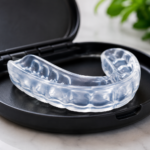
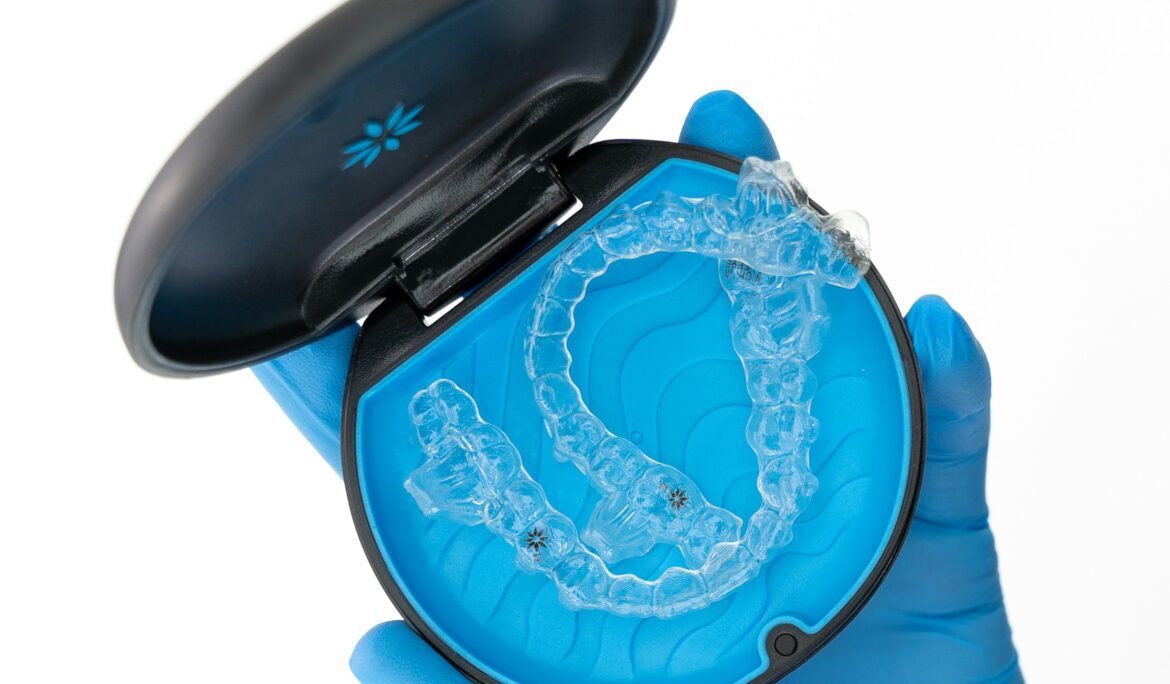
A clear aligner is a custom-made series of smooth, transparent plastic trays that gradually shift your teeth into a more aligned position. Each tray is slightly different, designed to move your teeth incrementally, and you progress through the series over several months until your final result is achieved.
Unlike traditional braces, there are no wires, no brackets, and nothing bonded permanently to your teeth during the process. The aligners are removable, which changes the experience of orthodontic treatment significantly.
Most people who go down this path are surprised by how manageable it is day-to-day.
Who Is a Good Candidate?
Clear aligners work well for a wide range of dental alignment issues, including:
- Crowding: when teeth overlap or are pushed out of position because there isn’t enough space
- Gaps between teeth: spacing issues that affect both appearance and function
- Overbite or underbite: where the upper or lower jaw protrudes further than ideal
- Crossbite: where upper and lower teeth don’t meet symmetrically
- Open bite: where upper and lower front teeth don’t touch when the mouth is closed
Clear aligners are particularly popular with working professionals and adults who didn’t get orthodontic treatment when they were younger. There’s no age cut-off. We see patients of all stages of adulthood begin their aligner journey and wonder why they waited so long.
That said, not every case is suited to aligners alone. More complex bite corrections may require a combined approach. This is exactly why a proper consultation with one of our dentists is the right first step. So you receive an honest, personalised assessment rather than a one-size-fits-all answer.
How Does the Treatment Process Work?
At Hastings Dental Centre, we walk every patient through the process carefully before anything begins. Here’s what the journey typically looks like:
Step 1: The Initial Consultation
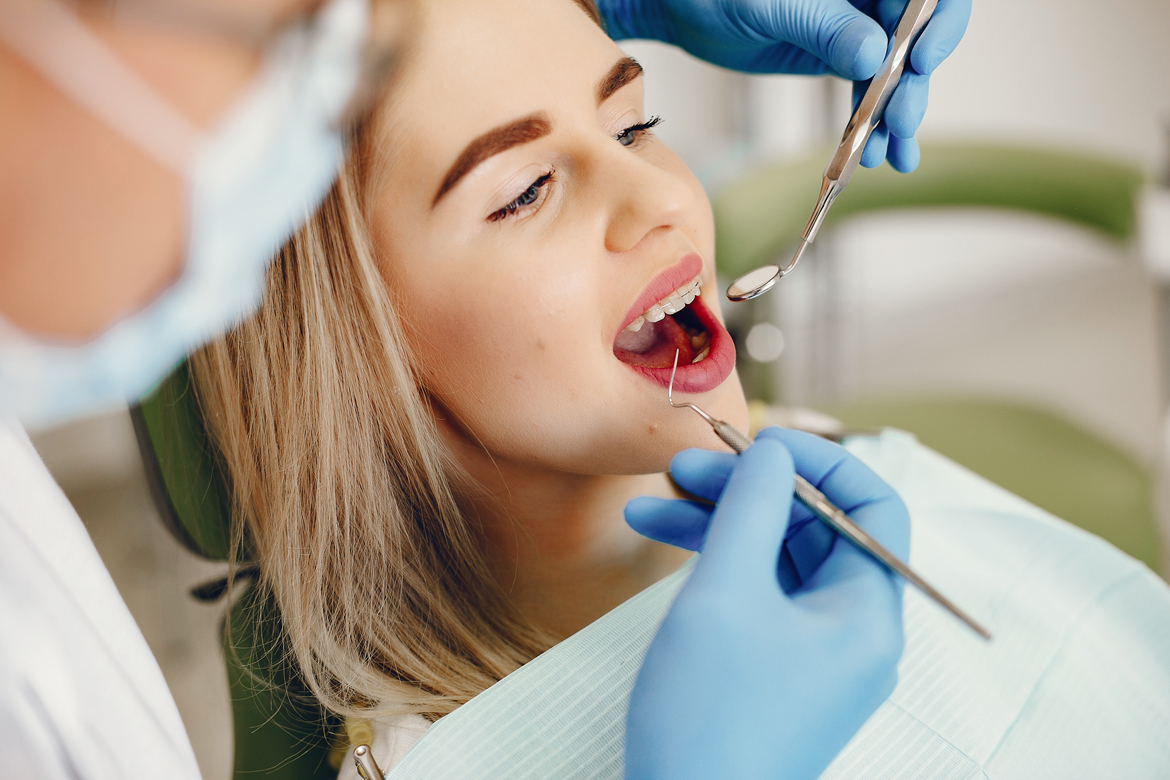
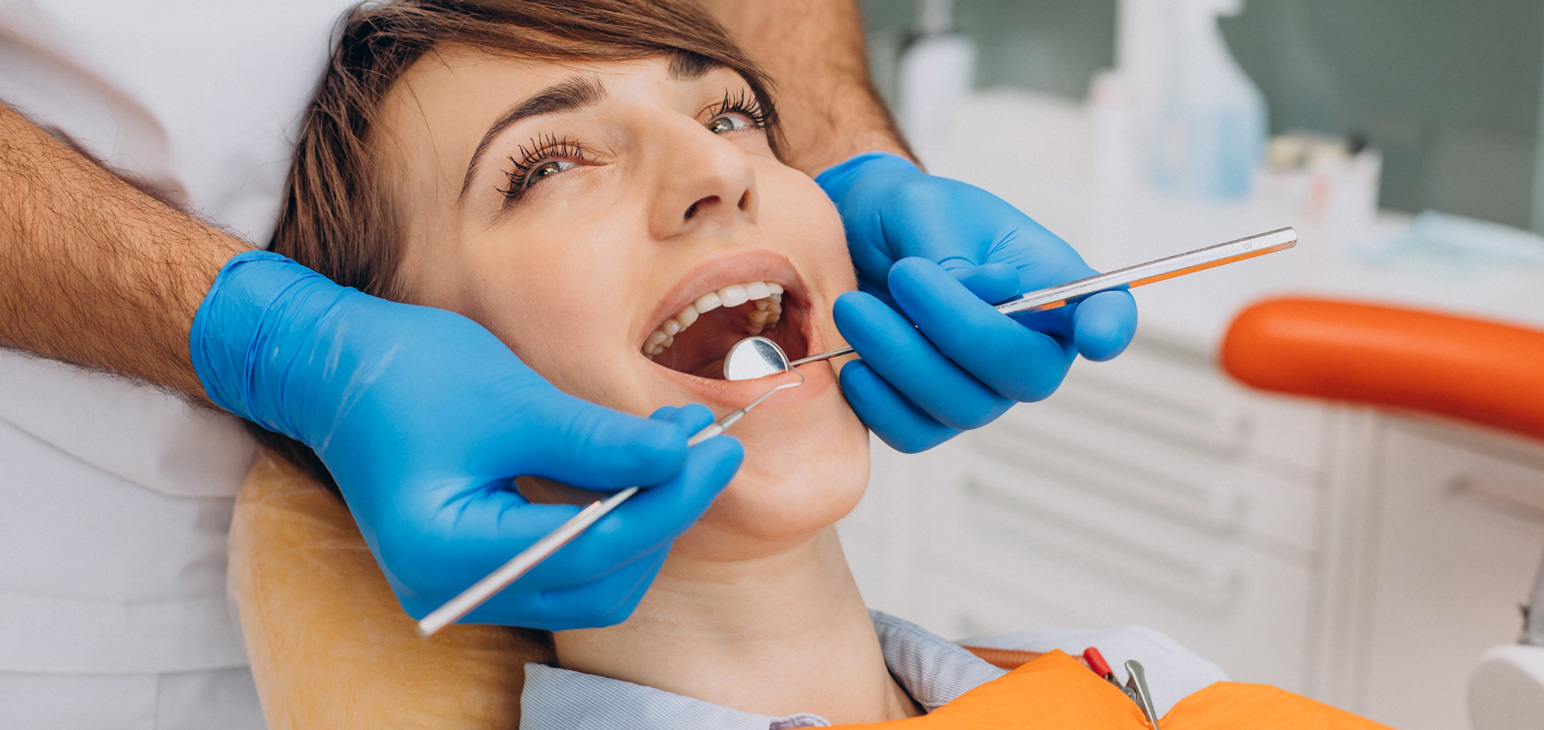
This is a conversation, not a commitment. We want to understand what’s bothering you about your smile, what outcome you’re hoping for, and what your lifestyle looks like. We’ll examine your teeth, gums, and jaw to assess whether clear aligners are genuinely the right path for you.
Step 2: Digital Scanning and Treatment Planning
If aligners are a good fit, we use detailed digital scanning technology to capture precise measurements of your teeth. This removes the need for traditional moulds (which many patients find uncomfortable) and allows us to design your custom aligner sequence with accuracy.
One of the most exciting parts of this stage is that you can often get a preview of how your teeth are expected to look at the end of treatment. Seeing your projected result before you’ve even started is something most patients find incredibly motivating.
Step 3: Wearing Your Aligners
Your custom aligners are fabricated and you’ll begin wearing your first set. The general recommendation is to wear them for around 20 to 22 hours per day, taking them out to eat, drink (anything other than water), and to clean your teeth.
Every few weeks, you move to the next set of trays. Check-in appointments allow us to monitor your progress and make any adjustments along the way.
Step 4: Completing Your Treatment
Once you’ve worked through the full series of aligners, your teeth should sit in their new, corrected positions. At this stage, we’ll discuss retainer options to help maintain your results long-term, because retention is just as important as the active phase of treatment.
The total treatment time varies from person to person. Some cases resolve in as little as six months; others take closer to eighteen. Your dentist will give you a realistic timeframe based on your specific situation.
The Day-to-Day Benefits
Here’s what patients consistently tell us they appreciate most about aligners once they’re in the middle of treatment:
They’re virtually invisible. Most people around you won’t notice you’re undergoing orthodontic treatment at all. This matters enormously if you’re customer-facing at work, do public speaking, or simply feel self-conscious about the idea of a mouth full of metal.
You can eat whatever you like. With traditional braces, there’s a long list of foods to avoid. With aligners, you simply remove the tray before meals and eat as you normally would.
Oral hygiene stays simple. Brushing and flossing your teeth is no different from before treatment. Because the aligners are removable, you maintain your normal routine without navigating around wires and brackets.
They’re comfortable. There’s an adjustment period with each new tray , a mild pressure or tightness that tells you the tray is working. But the smooth plastic design means there’s nothing sharp rubbing against the inside of your cheeks or gums.
Treatment is predictable. The digital planning process means you and your dentist have a clear roadmap from day one. There are few surprises along the way.
What About Caring for Your Aligners?
Maintaining your trays is straightforward. Rinse them with clean water whenever you take them out, and clean them regularly with a soft toothbrush. Avoid soaking them in hot water (it can distort the plastic) or leaving them out for extended periods, as this will affect the treatment timeline.
One habit worth building immediately: always put your aligners in their case when they’re not in your mouth. It sounds simple, but it’s the most common way trays get lost or accidentally thrown away.
A Word on Commitment
Clear aligners work extremely well, when they’re worn consistently. The flexibility of being able to take them out is one of the biggest advantages of the system, but it also means the responsibility sits with you.
Patients who wear their aligners as directed, attend their check-up appointments, and communicate with their dentist when something doesn’t feel right almost always achieve excellent outcomes. Those who wear them inconsistently tend to find treatment takes longer or produces less predictable results.
It’s not a difficult commitment, but it is a genuine one.
Why Choose Hastings Dental Centre for Your Aligner Treatment?
Port Macquarie residents have a lot of choices when it comes to dental care. What we offer at Hastings Dental Centre is an environment where you’re genuinely listened to, where treatment is explained clearly, and where the focus is always on what’s right for you — not on pushing a particular product or path.
Our team has experience with the full range of orthodontic and cosmetic treatments, which means we can give you an honest assessment of all your options, not just the one you came in asking about. That kind of transparency is something we’re proud of, and it’s why so many of our patients come back, and send their families and friends to us.
We know that dental appointments can feel daunting. From the moment you call us to the moment you leave our William Street practice, we do everything we can to make the experience straightforward and comfortable.
Thinking About It? Here’s What to Do Next
The best way to know whether clear aligners are right for your teeth is simply to come in and have a conversation with us. There’s no pressure, no commitment from a consultation, just an honest, professional assessment from dentists who take your dental health seriously.
To book your consultation, give us a call on (02) 6583 7211 or reach out via our website.
We’d love to hear from you.