




Dental clinics across Australia are seeing a noticeable shift in patient behaviour in early 2026. More people are presenting with advanced dental problems, often after delaying routine care for months or even years. As a result, preventable issues like cavities and gum disease are escalating into painful dental emergencies.
Understanding the most common dental concerns affecting Australians right now can help you recognise early warning signs, avoid unnecessary pain, and protect your long-term oral health.
Below are the key dental issues Australian dentists are seeing in February 2026 — and what you should do if you notice them.
1. Toothache & Dental Emergencies Are Increasing Nationwide
Toothache remains the number one reason Australians seek urgent dental care. Many patients report ignoring mild discomfort until it becomes unbearable — often late at night or over the weekend.
Common causes of severe tooth pain include:
Deep tooth decay
Cracked or fractured teeth
Dental infections or abscesses
Failed old fillings
In 2026, dentists are seeing more cases where infections have progressed due to delayed treatment. What starts as sensitivity can quickly turn into swelling, throbbing pain, and difficulty eating or sleeping.
When to act:
If tooth pain lasts more than 24–48 hours, wakes you at night, or is accompanied by swelling, it’s time to see a dentist immediately. Early treatment can often save the tooth and prevent the infection from spreading.
2. Gum Disease and Bleeding Gums on the Rise
Bleeding gums are often dismissed as “normal,” but in reality, they are one of the earliest signs of gum disease. In early 2026, dental clinics are reporting a rise in patients with moderate to advanced gum problems.
Symptoms include:
Gums bleeding when brushing or flossing
Red, swollen, or tender gums
Persistent bad breath
Receding gums
Loose teeth in advanced stages
Gum disease is caused by plaque buildup and poor oral hygiene, but stress, smoking, and underlying health conditions can make it worse. If untreated, it can lead to tooth loss and bone damage.
The good news? Gum disease is highly manageable when detected early with professional cleaning and consistent home care.
3. Cracked, Broken, and Worn Teeth
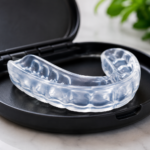
Another growing concern in Australia is damage caused by teeth grinding (bruxism) and everyday wear. Stress-related grinding has increased in recent years, leading to cracked enamel, fractured teeth, and jaw pain.
Signs you may have a cracked or worn tooth:
Pain when biting or chewing
Sudden sensitivity to hot or cold
Rough or sharp edges
Jaw pain or headaches
Cracks can worsen quickly if ignored, potentially reaching the nerve and requiring root canal treatment or extraction. Prompt dental assessment can often prevent extensive damage.
4. Delayed Dental Visits Due to Cost or Busy Lifestyles
One of the biggest contributors to dental problems in 2026 isn’t a lack of treatment options — it’s delayed care. Many Australians postpone check-ups due to time constraints, rising living costs, or the hope that symptoms will resolve on their own.
Unfortunately, dental problems rarely improve without treatment. Delaying care often results in:
More complex procedures
Higher treatment costs
Increased pain and anxiety
Preventive dentistry remains the most cost-effective approach to oral health. Regular check-ups allow dentists to catch issues early, when treatment is simpler and less invasive.
5. Dental Infections & Abscesses Becoming More Common
Dental infections are a serious concern being seen more frequently in early 2026. An abscess occurs when bacteria infect the tooth pulp or surrounding tissue, often due to untreated decay or trauma.
Warning signs of infection include:
Severe, throbbing pain
Facial or jaw swelling
Fever
Bad taste in the mouth
Pus or discharge around the tooth
Dental infections should never be ignored. Without treatment, the infection can spread beyond the mouth and cause serious health complications.
6. Children’s Dental Issues from Sugary Diets & Missed Check-Ups
Dentists are also seeing an increase in dental problems among children, particularly cavities caused by sugary snacks, drinks, and missed dental visits.
Common issues in children include:
Early childhood tooth decay
Pain or sensitivity
Difficulty eating
Fear of dental visits due to late intervention
Early dental visits help children develop healthy habits, prevent cavities, and build confidence around dental care. Preventive treatment is far easier — and less stressful — than emergency care.
When Should You See a Dentist Immediately?
Book a dental appointment as soon as possible if you experience:
Persistent tooth pain or sensitivity
Bleeding or swollen gums
A cracked, chipped, or loose tooth
Facial swelling
Bad breath that doesn’t improve
Pain when chewing
Ignoring these symptoms often leads to more complex treatment later.
How Hastings Dental Centre Can Help
At Hastings Dental Centre, we focus on early diagnosis, gentle treatment, and clear communication. Whether you need a routine check-up or urgent care, our goal is to help you feel comfortable and confident at every stage of treatment.
We offer:
Preventive dental check-ups and cleans
Emergency dental care
Gentle family dentistry
Modern treatment techniques
Honest advice and personalised care
Our team understands that dental visits can feel stressful — especially when pain is involved — which is why we prioritise patient comfort and timely care.
Final Thoughts
The biggest dental concern in Australia in 2026 isn’t just tooth decay or gum disease — it’s waiting too long to seek help. Acting early can prevent pain, reduce costs, and protect your long-term oral health.
If you’ve noticed any warning signs, don’t wait for the problem to worsen.
 Prefer to talk first? Call our friendly team at (02) 6583 7211 for clear guidance and to book your next step.