



Have you ever taken a sip of ice-cold water or bitten into something hot — only to wince because of a sudden, sharp pain in your tooth? That quick jolt, often followed by a lingering ache or tenderness, could be a sign of something called tooth sensitivity.
At Hastings Dental Centre, we see this kind of discomfort all the time. And while it can be alarming, it’s usually a signal that your tooth enamel or gum protection has weakened — not necessarily that you’re facing a major dental emergency. The good news? Once we figure out the cause, in many cases we can relieve that pain and help prevent it from coming back.
What Does Tooth Sensitivity Feel Like?
Unlike a dull, throbbing toothache, tooth sensitivity tends to be:
Sudden and sharp — a quick zap or twinge when you eat/drink something hot, cold, sweet, acidic, or even when you brush your teeth.
Brief but noticeable — the pain usually doesn’t last for hours, but it can ruin your enjoyment of a simple cold drink, a hot coffee, or a scoop of ice cream.
Triggered by common things — cold air, hot tea, ice-cream, sweet treats, acidic foods, or even a gentle toothbrush.
If you’ve been avoiding certain foods or drinks because of that shock of pain — or wincing every time you brush — we say it’s worth paying attention.
Why Does Tooth Sensitivity Happen?
At the heart of tooth sensitivity is this: your protective layers — enamel (on top) or gums/roots (around and below) — are no longer doing their job well. As a result, the inner parts of the tooth become exposed, and even harmless triggers can cause pain. Here are the main culprits we often find:
1. Enamel Wear or Erosion
Enamel is your tooth’s hard outer shield. Over time, it can wear down or erode because of:
Brushing too hard or using a hard-bristled toothbrush.
Consuming acidic foods and drinks — sodas, citrus, fruit juices, acidic sauces — that slowly erode enamel.
Teeth grinding or clenching (sometimes during sleep), which can grind down enamel over time.
As enamel thins, the layer beneath — called dentin — gets exposed. Dentin has microscopic channels (tubules) that lead straight to the nerve inside the tooth, so even a small trigger can send a pain signal.
2. Gum Recession or Root Exposure
When gums begin to pull away — because of gum disease, aggressive brushing, or natural aging — the softer root surfaces of your teeth may become exposed. Unlike the crown, the root has no enamel protection.
Once exposed, roots are vulnerable. With stimuli like temperature changes or acidic/sweet foods, the nerves respond sharply.
3. Cracks, Chips, or Worn Fillings
Even small, almost invisible cracks or chips — or degraded fillings — can let sensations reach deeper parts of the tooth. That can lead to sensitivity or sharp pain, especially when chewing or applying pressure.
4. Recent Dental Work / Whitening / Treatments
Sometimes sensitivity shows up after a procedure: cleaning, filling, whitening, etc. Often that’s temporary and subsides. But if it lingers — or worsens — it may point to deeper issues requiring more careful attention.
5. Combination of Factors + Habits
Many times, sensitivity doesn’t come from just one cause. Enamel erosion, gum recession from aggressive brushing, acid-rich diet — all piling up over time can make teeth more vulnerable. Add teeth grinding or acidic habits, and the problem piles on.
What You Can Do Right Now | At Home
If you’re just starting to notice sensitivity and it’s mild, there are a few simple steps that may help ease the discomfort. While these won’t replace a full dental exam, they can help reduce irritants until you can see a dentists Port Macquarie NSW.
Use a soft-bristled toothbrush (or gentle electric brush), and brush with soft, circular motions. Don’t scrub hard — especially near the gumline.
Switch to a fluoride or desensitising toothpaste — these can help block the tiny dentinal channels that trigger pain.
Avoid acidic or sugary foods/drinks (sodas, citrus juices, energy drinks, sweet treats). If you do consume them, rinse your mouth with plain water afterward.
Don’t brush immediately after acidic meals or drinks — enamel softens after acid exposure, so wait at least 30 minutes before brushing.
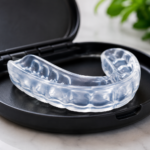
If you grind or clench your teeth (especially at night), consider a mouthguard — this can protect enamel from further wear.
These simple changes can ease the pain for many people and sometimes even fix the sensitivity over time.
Why You Should Come to Hastings Dental Centre?
Home care helps — but only your dentist can be sure what’s causing the pain. Here’s what we bring to the table at Hastings Dental Centre when you book a sensitivity check-up:
Detailed Diagnosis
We don’t just guess. We examine your enamel, check for gum recession, examine previous fillings or restorations, and even take digital X-rays if needed — to spot cracks, root issues, or decay that might be invisible to you.
Targeted Treatment Plans
Depending on what we find, treatment may include:
A professional fluoride varnish to strengthen enamel and seal exposed dentin.
Bonding or sealant application to cover sensitive spots.
Restoring worn or cracked teeth with fillings or dental crowns if necessary.
Gum treatment or gum-graft referrals if gum recession or periodontal disease is involved.
Advice or custom appliances if teeth grinding (bruxism) is part of the problem.
Long-Term Relief & Prevention
We’ll help you build a routine: the right brushing technique, suitable dental products, dietary guidance, and regular check-ups. The goal? Not just to end the sensitivity — but to keep it from coming back.
Don’t Ignore Sensitivity : It’s Your Body Trying to Tell You Something
That little twinge when you drink cold water might seem small — but if left ignored, sensitivity can lead to bigger problems: deeper enamel erosion, root decay, gum disease, even structural damage to teeth. In short: what starts as a mild discomfort could become a major dental headache.
So if you’ve experienced sudden sensitivity more than once or twice, or find yourself avoiding foods and drinks you love because of that painful zing — it’s time to act.
📞 At Hastings Dental Centre we serve communities across Port Macquarie, Lake Cathie, Kempsey, Wauchope, Laurieton, Kendall, Taree and more. We focus on caring, clear communication, and giving you the kind of practical dentistry that puts comfort first.
Take the Next Step
If tooth sensitivity is messing with your smile — don’t just cope. Let us help you fix it.
➡️ Book a check-up at Hastings Dental Centre today, and let’s get you back to enjoying your food, drinks — and life — without that annoying tooth jolt.