




Tooth decay is one of the most common dental problems affecting people of all ages, yet it’s also one of the most preventable. It occurs when harmful bacteria in the mouth produce acids that erode tooth enamel, leading to cavities and, if untreated, more serious dental issues. While early decay might not cause much discomfort, it can quickly progress to severe pain, infection, and even tooth loss if left untreated.
Early detection is key. Spotting tooth decay in its initial stages can save you from more invasive treatments, costly dental work, and the discomfort of a dental emergency. Regular check-ups, good oral hygiene, and prompt professional care can make all the difference.
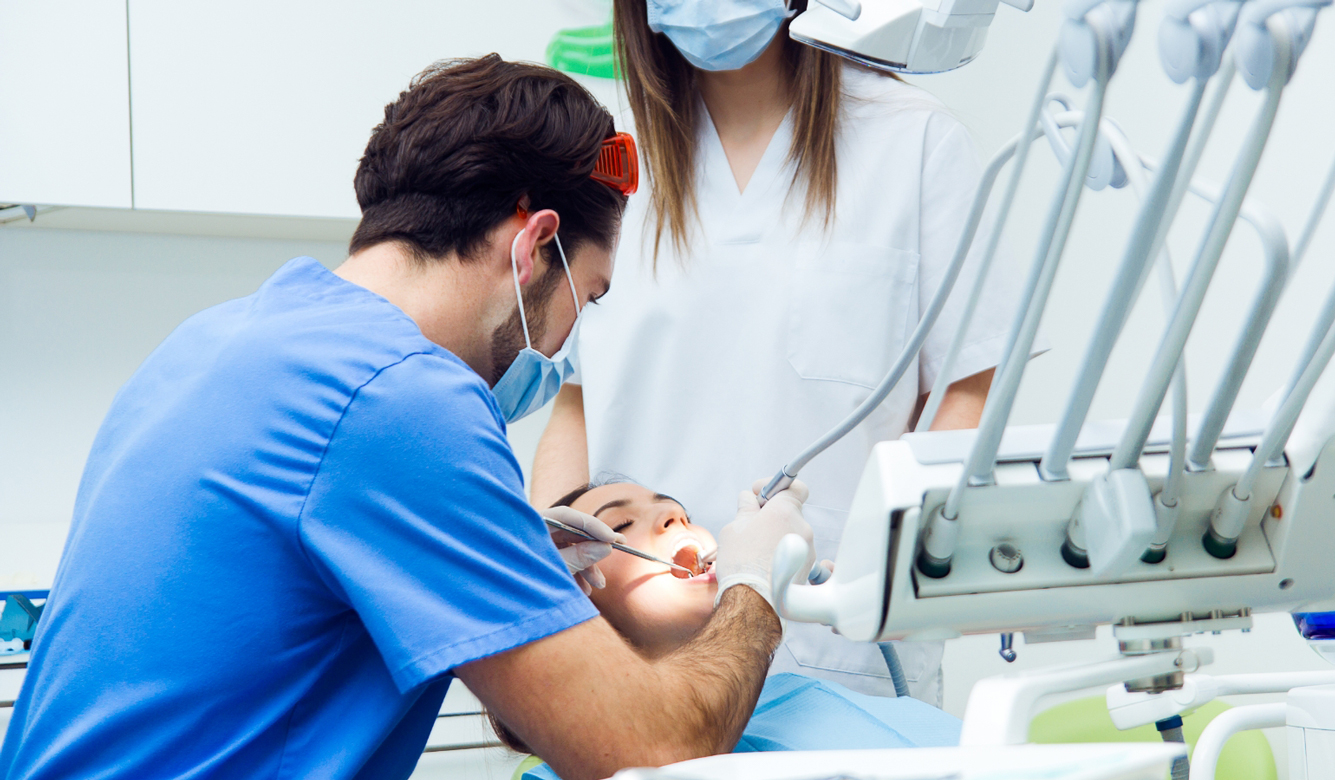
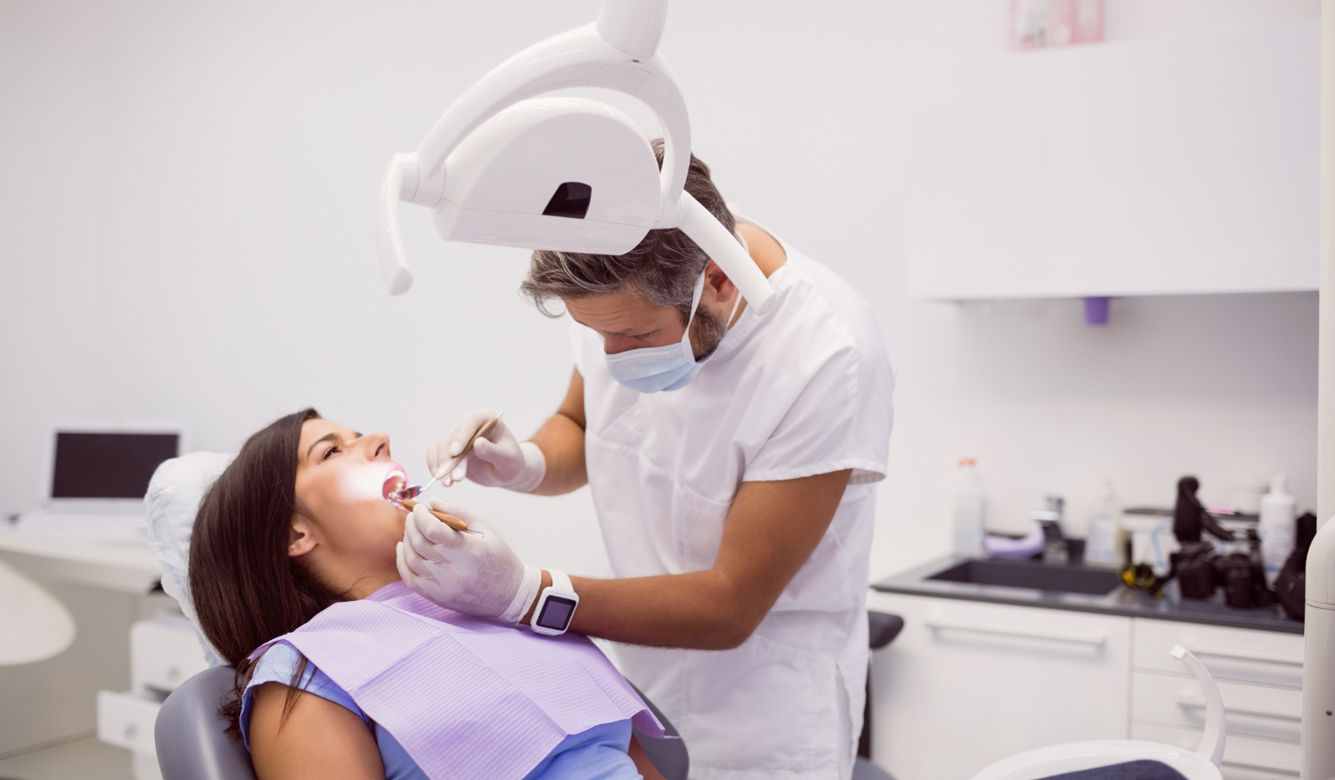
At Hastings Dental Centre in Port Macquarie, we provide comprehensive tooth decay treatment to restore your dental health and relieve discomfort. For urgent situations, our emergency dentists in Hastings and Port Macquarie are available to help you get fast relief and prevent further damage. Whether it’s mild sensitivity or severe tooth pain, timely care can protect your smile and keep your teeth healthy for the long term.
What is Tooth Decay?
Tooth decay is the gradual breakdown of the hard outer layer of your teeth — the enamel — caused by acids from plaque bacteria. Over time, this damage can extend deeper into the tooth, affecting the dentin and eventually reaching the soft tissue in the centre (the pulp).
While the terms “tooth decay” and “cavity” are often used interchangeably, they are slightly different. Tooth decay refers to the overall process of damage, while a cavity is the hole or visible damage that results from that process.
A common misconception is that tooth decay only affects people who eat a lot of sweets. While sugary foods do play a role, other factors like poor brushing habits, acidic drinks, dry mouth, and irregular dental visits can also contribute. Even people with healthy diets can develop decay if oral hygiene is neglected.
What Causes Tooth Decay?
Tooth decay develops when the protective enamel on your teeth is weakened by acids produced by bacteria in plaque. Plaque is a soft, sticky film that constantly forms on your teeth, especially after eating or drinking. If it’s not removed through daily brushing and flossing, plaque can harden into tartar, which traps bacteria against the tooth surface and increases the risk of decay.
The 4 main causes of tooth decay are:
Plaque formation – Bacteria feed on sugars and starches left on your teeth, producing acids that attack enamel.
Sugary and acidic diet – Regularly consuming soft drinks, lollies, and acidic foods weakens enamel and speeds up decay.
Poor brushing and flossing habits – Inadequate cleaning allows plaque to build up and bacteria to thrive.
Dry mouth (low saliva flow) – Saliva helps wash away food particles and neutralise acids. Reduced saliva, often caused by certain medications or dehydration, makes teeth more vulnerable.
While anyone can develop tooth decay, certain risk factors make it more likely, such as frequent snacking, wearing braces without proper cleaning, or having existing dental fillings that trap food.
Understanding what causes tooth decay is the first step to preventing it. Limiting sugar intake, maintaining good oral hygiene, and scheduling regular visits to your Port Macquarie dentist can help keep your teeth strong and healthy for years to come.
Stages of Tooth Decay
Tooth decay doesn’t happen overnight — it develops in stages. Understanding these stages can help you recognise early warning signs and seek treatment before it becomes a dental emergency.
Stage 1 – Initial Demineralisation
In the earliest stage, acids from bacteria start to strip minerals from the enamel. You might notice faint white spots on your teeth, but there’s usually no pain. At this stage, decay can often be reversed with fluoride treatment from your dentist in Port Macquarie.
Stage 2 – Enamel Decay
If minerals aren’t replaced, the enamel begins to break down, forming small cavities. Professional tooth decay treatment such as fillings is needed to prevent further damage.
Stage 3 – Dentin Decay
Once decay reaches the softer dentin layer beneath the enamel, tooth sensitivity becomes more noticeable. Hot, cold, or sweet foods may trigger discomfort.
Stage 4 – Pulp Damage
Decay reaches the tooth’s pulp, which contains nerves and blood vessels. This can cause severe toothache and swelling. Without treatment, infection can develop.
Stage 5 – Abscess Formation
An untreated infection can lead to a painful abscess — a pocket of pus at the root of the tooth. This stage often requires urgent care from an emergency dentist in Hastings or even emergency tooth extraction to prevent the infection from spreading.
Tooth Decay Symptoms
The symptoms of tooth decay can vary depending on how far the condition has progressed. In its early stages, there may be no obvious discomfort, which is why regular check-ups with your Port Macquarie dentist are so important.
Early Symptoms
White or brown spots on the teeth
Mild sensitivity when eating or drinking hot, cold, or sweet foods
Slight roughness or pits on the tooth surface
Advanced Symptoms
Persistent toothache or sharp pain
Noticeable holes or dark spots in teeth
Increased sensitivity to temperature or sweetness
Swelling around the gums near the affected tooth
Bad breath or a lingering bad taste in the mouth
When It’s an Emergency
If the pain becomes severe, your face starts swelling, or you notice pus near the gum line, you may have an abscess. This requires immediate attention from an emergency dentist in Hastings or Port Macquarie. Left untreated, the infection can spread to other parts of the body and cause serious health complications.
Recognising tooth decay symptoms early allows for quicker treatment, reduced costs, and less discomfort. If you notice any of these signs, don’t wait — early tooth decay treatment can save your natural tooth and prevent the need for more complex procedures such as emergency tooth extraction.
Tooth Decay Pain Relief
Tooth decay pain can range from a dull ache to sharp, throbbing discomfort that makes eating, drinking, and even sleeping difficult. While home remedies may provide temporary relief, they do not treat the underlying cause. The only way to stop the pain for good is through professional tooth decay treatment.
Short-Term Pain Relief Options
Saltwater rinse – Helps reduce inflammation and kill some bacteria.
Cold compress – Applying an ice pack to the cheek for 15 minutes at a time can numb the area and reduce swelling.
Over-the-counter pain relief – Paracetamol or ibuprofen can help manage discomfort until you see your dentist in Port Macquarie.
Clove oil – Contains a natural anaesthetic called eugenol, which can temporarily numb tooth pain.
Why Professional Care is Essential
Pain relief methods may mask symptoms, but the decay will continue to spread if left untreated. Ignoring the problem could lead to infection, an abscess, or the need for emergency tooth extraction.
At Hastings Dental Centre Port Macquarie, we offer same-day appointments for urgent cases. Our emergency dentists in Hastings can diagnose the cause, relieve your pain, and start treatment right away to protect your tooth and overall health.
If you’re in severe pain or suspect an infection, don’t delay — fast action can mean the difference between saving your tooth and losing it.
How to Remove Tooth Decay & Treatment Options
Once tooth decay has started, it cannot be removed with home remedies. The bacteria that cause the damage must be professionally treated to stop the decay from spreading and restore the tooth’s structure. The type of treatment you’ll need depends on the stage of decay and the overall condition of your tooth.
Common Professional Treatments
Fluoride Treatments
In the earliest stage of tooth decay, fluoride can help restore minerals to weakened enamel. This is a simple, painless treatment often completed during a routine check-up.Dental Fillings
For small to medium cavities, the decayed portion of the tooth is removed and replaced with a filling material, such as composite resin, to restore its strength and shape.Crowns
If a tooth is severely weakened, a custom crown may be placed to cover and protect it after the decay is removed.Root Canal Treatment
If decay reaches the pulp, root canal therapy is often necessary to remove infected tissue and seal the tooth, preventing further damage.Emergency Tooth Extraction
In cases where the tooth cannot be saved, extraction may be the safest option to stop infection and relieve pain.
Tooth Decay Treatment Cost in Port Macquarie
Costs can vary depending on the severity of the decay and the type of treatment required. Simple fillings are generally more affordable, while crowns, root canals, or extractions are more complex and carry higher costs. At Hastings Dental Centre Port Macquarie, we discuss all options and provide transparent pricing so you know exactly what to expect before treatment begins.
Acting early not only reduces costs but also preserves your natural teeth — the best outcome for your long-term dental health.
How to Stop Tooth Decay from Spreading
Once tooth decay has started, the only way to stop it completely is with professional treatment. However, there are important steps you can take to slow its progression and protect your other teeth until you can see a dentist.
Daily Habits to Protect Your Teeth
Brush twice a day with fluoride toothpaste, using a soft-bristled toothbrush to avoid damaging enamel.
Floss daily to remove plaque and food particles between teeth where brushing can’t reach.
Rinse with fluoride mouthwash to help strengthen enamel.
Limit sugary and acidic foods such as lollies, soft drinks, and citrus juices, which fuel bacteria and erode enamel.
Drink plenty of water, especially after meals, to help wash away food particles and acids.
Regular Professional Care
Regular check-ups at Hastings Dental Centre Port Macquarie allow early detection and treatment before decay turns into a dental emergency. Our children’s dentist can also help younger patients learn proper brushing habits, making prevention a family priority.
When to Seek Emergency Care
If decay is causing severe pain, swelling, or signs of infection, contact an emergency dentist in Hastings immediately. Searching for “dental emergencies near me” will help you find urgent care, but acting fast ensures the best outcome for your tooth and overall health.
Stopping decay early means less invasive treatment, lower costs, and a healthier smile for the future.
Preventing Tooth Decay in Children
Tooth decay is one of the most common childhood dental problems, but it’s also one of the easiest to prevent with the right habits and regular dental care. Helping kids develop good oral hygiene from an early age sets the foundation for a lifetime of healthy teeth.
Building Healthy Habits Early
Start brushing as soon as the first tooth appears using a soft infant toothbrush and a smear of fluoride toothpaste.
Supervise brushing until your child can effectively clean all surfaces on their own (usually around age 7–8).
Encourage flossing once teeth start touching, to prevent plaque build-up between them.
Limit sugary snacks and drinks — choose water and fresh fruit instead of juice boxes or lollies.
Make brushing fun by using colourful toothbrushes, timers, or music to keep them engaged.
Regular Visits to a Children’s Dentist
At Hastings Dental Centre Port Macquarie, our children’s dentist provides gentle, age-appropriate care to help kids feel comfortable. Routine check-ups every six months allow us to spot early signs of tooth decay, apply protective treatments like fluoride or sealants, and provide parents with guidance for at-home care.
Why Early Care Matters
Even though baby teeth eventually fall out, decay can still cause pain, infections, and affect the alignment of adult teeth. Preventing decay early means avoiding unnecessary dental emergencies and giving your child the best start for their smile.
Dental Emergencies & When to Seek Help
Tooth decay doesn’t always progress slowly — sometimes it can turn into a painful and urgent dental emergency. Knowing when to seek immediate help can save your tooth and prevent serious complications.
Signs of a Dental Emergency
Severe toothache that does not go away with pain relief
Swelling in the face, jaw, or gums
Pus or discharge from around a tooth
Fever linked to dental pain
Broken or severely damaged tooth due to decay
What to Do Before You See a Dentist
Rinse your mouth with warm saltwater to help reduce bacteria.
Apply a cold compress to the outside of your cheek to manage swelling.
Avoid applying heat, as it can make infection worse.
Take over-the-counter pain relief if needed, following the instructions.
If you notice these symptoms, contact Hastings Dental Centre for an emergency dentist in Hastings or Port Macquarie. In some cases, an emergency tooth extraction may be necessary to remove the source of infection and protect your overall health.
Delaying treatment can allow the infection to spread, leading to more complex procedures and higher treatment costs — so act fast.
Conclusion
Tooth decay is common, but it doesn’t have to result in pain, tooth loss, or expensive treatments. Understanding the causes, recognising the symptoms, and taking action early are the keys to keeping your smile healthy.
Regular brushing, flossing, and healthy eating habits will go a long way, but professional care is essential for detecting issues before they become serious. Whether you need routine tooth decay treatment or urgent help from an emergency dentist, the team at Hastings Dental Centre Port Macquarie is here to provide gentle, effective care for the whole family.
If you have a toothache, notice changes in your teeth, or it’s been more than six months since your last check-up, book an appointment today. Your teeth will thank you — and you’ll avoid the stress and cost of dental emergencies in the future.