



Have you noticed your jaw clicking when you eat? Maybe it feels tight when you wake up, sore after a long day, or painful when you chew or yawn.
Jaw discomfort is easy to put off, particularly when it comes and goes. But ongoing jaw pain, stiffness, clicking, clenching or difficulty opening your mouth can affect much more than eating. For some people, symptoms may also occur alongside headaches, facial discomfort or ear symptoms.
The temporomandibular joints, commonly called the TMJ, are small but very busy joints located on either side of your face. They help your lower jaw move when you talk, chew, swallow and yawn. When the joint, surrounding muscles or related structures become irritated or overloaded, symptoms may develop.
At Hastings Dental Centre in Port Macquarie, we can assess dental and jaw-related concerns and help determine whether your symptoms may be associated with TMJ dysfunction, teeth grinding, clenching, tooth problems or another oral health condition.
If you have noticed tooth wear, jaw discomfort, sensitivity, broken teeth or signs of grinding, contact Hastings Dental Centre to arrange an assessment.
Call (02) 6583 7211 or visit Hastings Dental Centre to enquire about an appointment.
What Is TMJ Dysfunction?
TMJ stands for temporomandibular joint. These joints connect your lower jaw to your skull and allow your jaw to move smoothly.
TMJ dysfunction, often referred to as temporomandibular disorder or TMD, is a general term used for problems involving the jaw joints and the muscles or tissues around them.
There is not always one single cause.
Jaw symptoms may be associated with factors such as:
- Teeth grinding or clenching
- Muscle tension around the jaw
- Stress-related jaw habits
- Injury or trauma
- Changes in how the teeth meet
- Joint irritation or inflammation
- Restricted jaw movement
- Other dental problems that cause pain when biting
An important part of assessment is working out what is actually contributing to your symptoms rather than assuming that every clicking jaw requires the same treatment. Jaw assessment may consider movement, tenderness, muscle tension and how the jaw functions during opening and closing.
Common TMJ Symptoms
TMJ problems can feel different from one person to another.
Some people notice a dull ache, while others experience sharper pain or a feeling of tightness. Symptoms may be mild at first and become more noticeable over time.
Common signs can include:
Jaw pain or tenderness
You may feel discomfort in front of the ears, along the jawline or in the muscles around the cheeks.
Clicking or popping
A clicking or popping sound may occur when you open or close your mouth.
Not every jaw click means there is a serious problem. However, a persistent click accompanied by pain, restricted movement or locking is worth discussing with a dentist.
Jaw stiffness
Your jaw may feel tight when you wake up or after eating, talking or yawning for a long period.
Difficulty opening your mouth
You may notice that your mouth does not open as comfortably as it used to.
Jaw locking
Some people experience a temporary sensation that the jaw is catching or locking during movement.
Pain when chewing
Chewing tougher foods may increase discomfort, particularly when the jaw muscles are already tense.
Headaches or facial discomfort
Jaw muscle tension can occur alongside headaches or discomfort around the face. TMJ resources also identify headaches and facial pain among symptoms that may accompany TMD.
Ear-related symptoms
Some people with jaw problems report discomfort around the ear or a feeling of pressure. However, ear symptoms can have many causes, so they should not automatically be assumed to be caused by the TMJ.
Why Does My Jaw Hurt?
There are several possible explanations for jaw pain.
One common factor is teeth clenching and grinding.
You might clench your teeth during the day without noticing it, or grind your teeth while sleeping. Repeated pressure can place extra load on the teeth and jaw muscles.
You may notice:
- Morning jaw tightness
- Tired jaw muscles
- Tooth sensitivity
- Flattened or worn teeth
- Small chips or cracks
- Headaches
- Facial muscle tenderness
Hastings Dental Centre’s guidance on grinding and clenching also notes that persistent or forceful bruxism can contribute to tooth wear, sensitivity, chips, cracks and jaw discomfort.
Stress can also play a role. Some people find that they hold their teeth together when concentrating, working or feeling tense.
That does not mean stress is always the cause of jaw pain, but identifying habits such as daytime clenching can be useful during an assessment.

Is Jaw Clicking Always a Problem?
Not necessarily.
A jaw can make a clicking or popping sound without causing pain or affecting everyday function. The sound itself does not tell us exactly what is happening inside the joint.
What matters is the overall picture.
A dentist may want to know:
- Does the jaw click without pain?
- Has the clicking recently changed?
- Is your mouth opening normally?
- Does the jaw catch or lock?
- Do you have pain when chewing?
- Are you grinding or clenching?
- Have you had an injury?
- Are there other dental symptoms?
This is why a proper assessment is more useful than trying to diagnose the problem from one symptom alone.
Can Teeth Grinding Cause Jaw Pain?
It can contribute to jaw discomfort in some people.
When the jaw muscles are repeatedly activated through grinding or clenching, they may become overworked or tender. The additional forces can also contribute to dental wear and damage.
However, a mouth guard is not automatically the right solution for every person with jaw pain.
A dentist first needs to consider your teeth, bite, symptoms, existing dental work and possible causes. Hastings Dental Centre’s approach is to assess whether a custom mouth guard or another treatment option is appropriate rather than assuming every patient needs the same appliance.
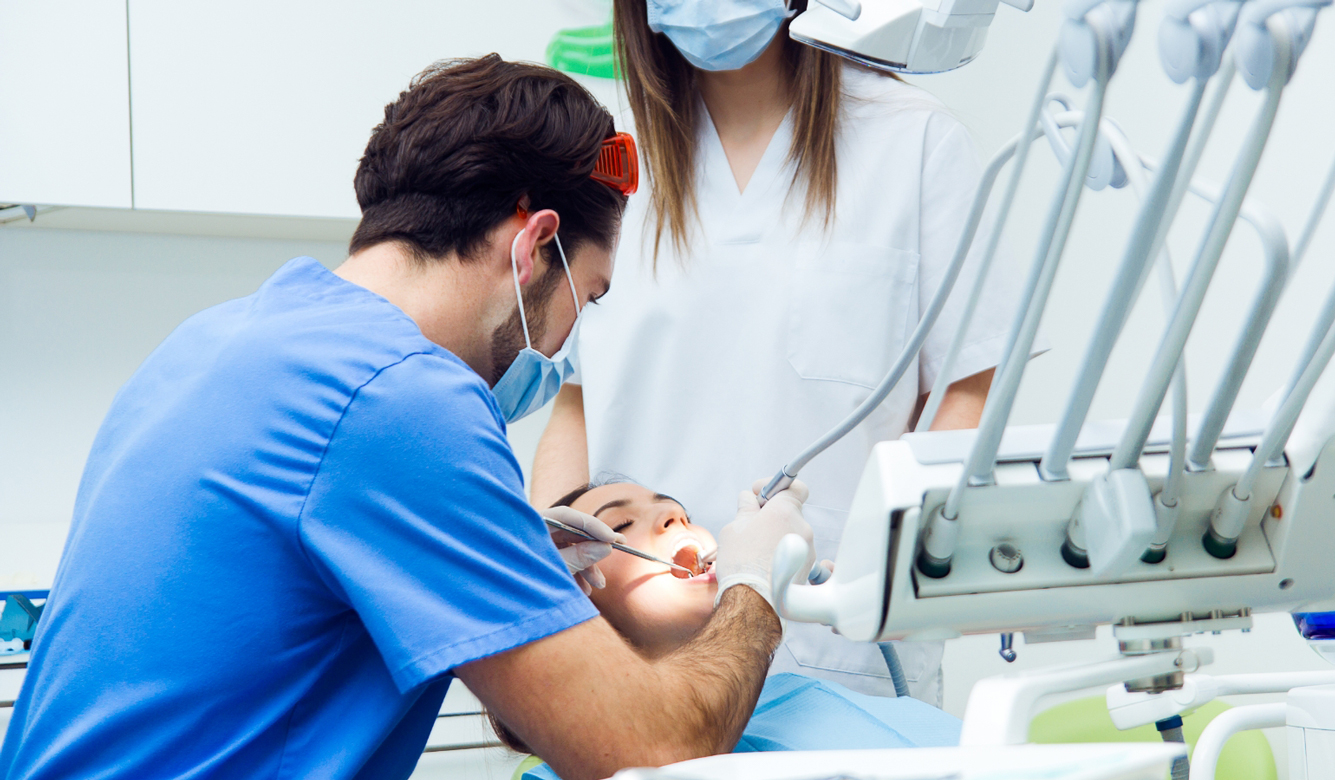
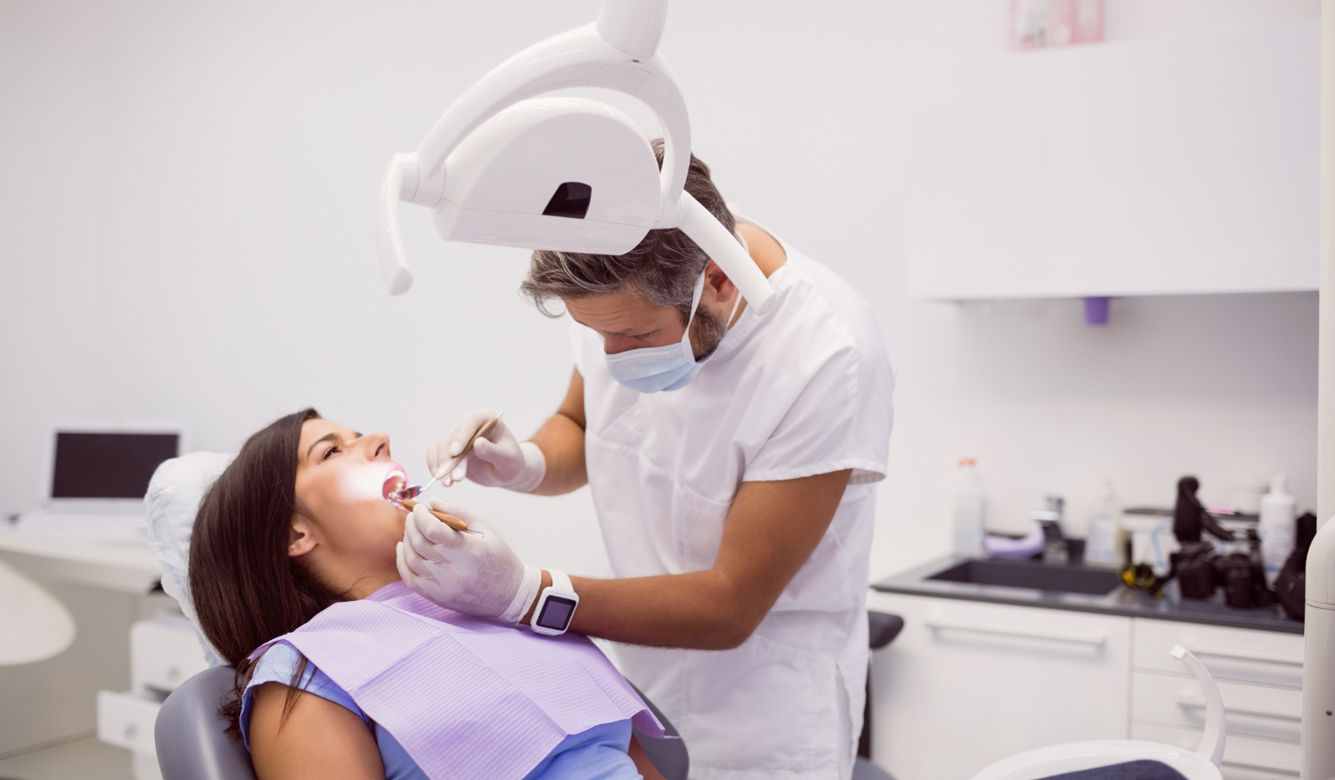
What Happens During a TMJ & Jaw Pain Assessment?
The first step is understanding what you are experiencing.
Your dentist may ask about when the pain started, what makes it worse and whether you have noticed grinding, clenching, clicking or locking.
An assessment may include looking at:
- Jaw opening and closing
- Jaw movement and function
- Tenderness around the jaw
- Jaw muscles
- Your bite
- Tooth wear
- Cracks, chips or other dental damage
- Existing restorations
- Gum and oral health
- Signs that another dental problem may be causing pain
In some situations, dental imaging may also be considered.
The aim is not simply to label the symptom. It is to determine what may be causing it and whether dental treatment, monitoring, a protective appliance, referral or another approach is appropriate.
A broader assessment is important because jaw symptoms can overlap with other dental and musculoskeletal problems. The reference material similarly emphasises identifying contributing factors rather than treating the jaw in isolation.
TMJ Treatment in Port Macquarie
There is no single treatment that suits everyone with jaw pain.
The appropriate option depends on the cause, severity and individual circumstances.
Depending on your assessment, management may include:
1. Monitoring and conservative care
If symptoms are mild and there is no sign of significant dental or joint problems, your dentist may recommend monitoring, reducing aggravating habits and reviewing symptoms over time.
2. Managing grinding and clenching
Where there are signs of bruxism, your dentist can assess tooth wear and discuss appropriate ways of protecting your teeth.
3. Custom mouth guards or dental splints
A professionally assessed appliance may be considered for selected patients. Dental splints are one of the treatment approaches used in TMJ care, although the correct appliance depends on the individual case.
4. Treating damaged teeth
If grinding, a cracked tooth, worn filling or another dental problem is contributing to discomfort, addressing the underlying dental issue may be necessary.
5. Referral when appropriate
Some TMJ problems benefit from care involving more than one health professional. Physiotherapy and other forms of allied-health management may form part of care for suitable patients, particularly where muscle function and movement are contributing factors.
A dentist can help determine when another professional should be involved.
Should I Get a Mouth Guard for Jaw Pain?
Not automatically.
You may have heard that a night guard is the answer to jaw clenching, but appliances need to be appropriate for the individual.
A dentist may consider:
- Your bite
- Tooth wear
- Existing crowns or fillings
- Cracks or fractures
- Jaw symptoms
- Grinding pattern
- How the appliance will fit and function
Hastings Dental Centre recommends assessment before choosing a mouth guard, particularly where there are existing jaw symptoms, significant tooth wear or dental restorations.
A generic appliance may not be suitable for every mouth.
When Should You See a Dentist About Jaw Pain?
Arrange an assessment if your jaw symptoms are persistent, getting worse or affecting normal activities.
It is particularly sensible to seek dental advice if you have:
- Ongoing jaw pain
- Pain when chewing
- Jaw stiffness
- Repeated clicking with discomfort
- Jaw locking
- Difficulty opening your mouth
- Significant morning jaw tightness
- Frequent clenching or grinding
- Tooth wear or broken teeth
- Facial swelling
- A sudden change in your bite
- Dental pain occurring at the same time as jaw pain
Urgent dental attention may be appropriate when jaw or dental pain occurs with significant swelling, fever, severe worsening pain or difficulty swallowing or breathing.
Not every jaw symptom is caused by TMD. Tooth decay, cracked teeth, dental infection, gum disease and other conditions can also produce pain around the jaw. A dental examination helps separate these possibilities.
Jaw Pain and Headaches: Are They Connected?
They can be, but the relationship is not always straightforward.
Jaw muscles are active throughout the day, particularly when you chew, speak and swallow. Clenching or grinding can increase muscular activity, and some people experience headaches alongside jaw discomfort.
However, headaches have many possible causes.
Rather than assuming that every headache comes from the jaw, your dentist can consider your dental and jaw symptoms together and advise whether further assessment is appropriate.
How Can I Reduce Strain on My Jaw?
There are some simple habits that may help reduce unnecessary jaw strain while you arrange an assessment:
Avoid constantly holding your teeth together when you are not eating.
Be aware of daytime clenching, particularly when concentrating or working.
Choose softer foods temporarily if chewing is painful.
Avoid repeatedly testing a painful or clicking jaw by opening it as far as possible.
Do not ignore significant dental pain simply because it feels like a jaw problem.
If you have been diagnosed with bruxism or given an appliance, follow your dentist’s instructions about its use and care.
Why Choose Hastings Dental Centre for TMJ & Jaw Pain in Port Macquarie?
Jaw pain can be frustrating because you may not know whether the problem is your teeth, your bite, your jaw joint or the surrounding muscles.
At Hastings Dental Centre, we can assess your oral health and jaw-related symptoms as part of a comprehensive dental examination. Where appropriate, we can discuss options such as management of grinding and clenching, dental appliances and treatment of associated dental problems.
Our goal is to understand your symptoms before recommending treatment.
We are conveniently located at 1/62 William Street, Port Macquarie NSW 2444, and care for patients from Port Macquarie and surrounding Mid North Coast communities.
Book a TMJ & Jaw Pain Assessment in Port Macquarie
You do not have to keep putting up with jaw discomfort, clicking or morning jaw tightness.
If your symptoms are persistent or interfering with eating, speaking, sleeping or everyday comfort, a dental assessment is a sensible place to start.
Hastings Dental Centre
1/62 William Street, Port Macquarie NSW 2444
Phone: (02) 6583 7211
Email: info@hastingsdentalcentre.com.auOpening hours:
Monday–Thursday: 8:00 am–5:00 pm
Friday: 8:00 am–1:00 pm
Saturday: By appointment
Call the Hastings Dental Centre team to discuss your symptoms and arrange an appointment.
Frequently Asked Questions About TMJ & Jaw Pain
What is TMJ?
TMJ refers to the temporomandibular joint, which connects the lower jaw to the skull. Problems involving the joint or surrounding muscles are commonly described as temporomandibular disorders or TMD.
Is jaw clicking normal?
A painless click does not necessarily mean that treatment is required. However, clicking combined with pain, locking, restricted movement or a change in jaw function should be assessed.
Can a dentist treat TMJ?
A dentist can assess dental and jaw-related symptoms, identify possible dental causes and discuss appropriate treatment or referral options. Some TMJ cases are managed with a combination of dental and allied-health care.
Does teeth grinding cause jaw pain?
Grinding and clenching can contribute to jaw muscle discomfort and tooth wear in some people. An assessment can determine whether bruxism may be contributing to your symptoms.
Do I need a mouth guard for TMJ pain?
Not necessarily. A dental appliance may be appropriate in some cases, but the choice depends on your teeth, bite, symptoms and overall dental condition.
Can TMJ cause headaches?
Jaw-related muscle tension can occur alongside headaches or facial discomfort, but headaches have many possible causes. A proper assessment is important rather than assuming the jaw is responsible.
Can TMJ pain go away on its own?
Some mild symptoms may settle, but persistent, recurring or worsening pain should not be ignored. Assessment can help identify whether there is an underlying dental or jaw issue that needs attention.
Should I see a dentist for jaw locking?
Yes. Repeated locking or significant difficulty opening the mouth should be assessed, particularly when it is painful or becoming more frequent.
Where can I get TMJ treatment in Port Macquarie?
Hastings Dental Centre in Port Macquarie provides assessment and dental management for TMJ and jaw-related concerns, including problems associated with grinding, clenching and dental conditions that may contribute to discomfort.