



Thinking about a porcelain crown? Start here 👋
Have a tooth that’s cracked, heavily filled, or just doesn’t look the way you want it to? Wondering whether a porcelain crown is the right fix — and how long it takes, what it costs, or if it can be done in one visit?
You’re not alone. Porcelain crowns are one of the most searched dental treatments in Australia right now, especially as same-day digital options become more common. Patients want strong, natural-looking results without multiple appointments or long waiting times.
Whether you’re repairing a damaged tooth or planning a subtle smile upgrade, this page will help you make a confident, informed decision before booking your consultation.
How long do porcelain crowns last and how to extend their lifespan?
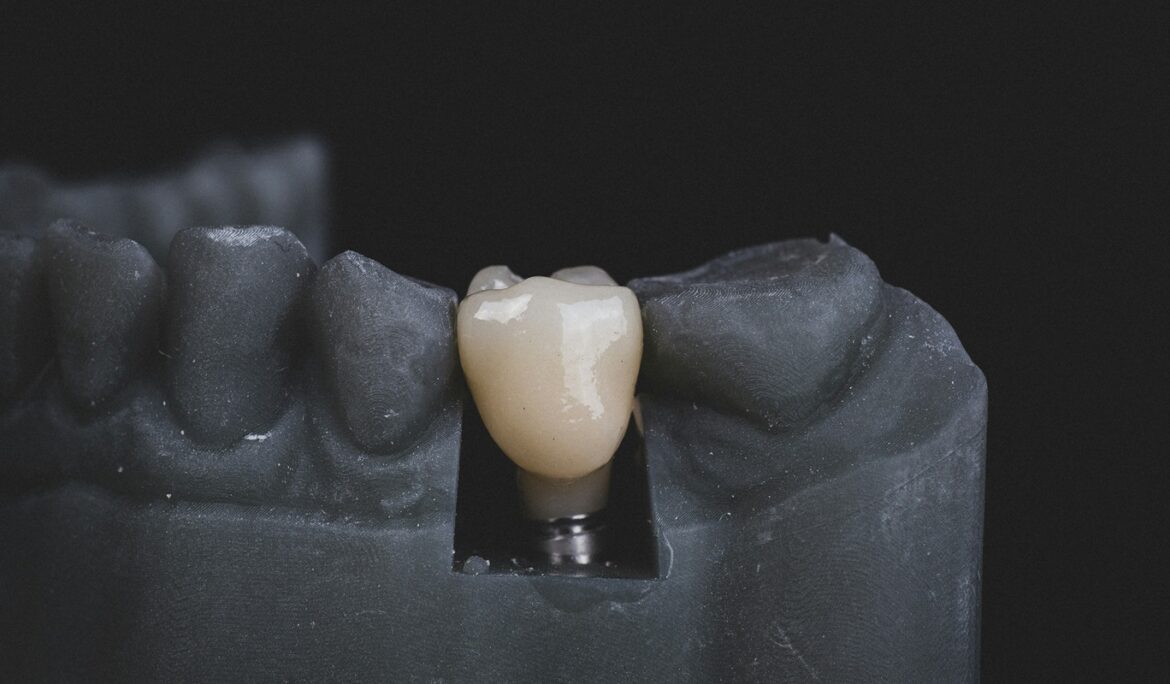
Porcelain crowns are designed to be a long-term solution for restoring damaged or weakened teeth. With proper care, most porcelain crowns last between 10 and 15 years, and many patients enjoy them for even longer. Their lifespan depends on several factors, including oral hygiene habits, bite forces, and how well the crown fits around the natural tooth.
Key factors that affect crown longevity:
Oral hygiene: Brushing twice daily and flossing around the crown helps prevent decay at the tooth margin (the area where the crown meets the gum). While the crown itself cannot decay, the natural tooth underneath still can.
Regular dental check-ups: Routine examinations allow your dentist to monitor the crown, check the seal, and identify early signs of wear, gum recession, or decay before they become bigger problems.
Diet and habits: Avoid biting hard objects such as ice, pens, or hard lollies. Sticky foods can also place extra stress on the crown and cement.
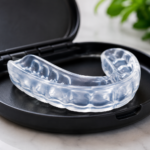
Teeth grinding (bruxism): Grinding or clenching can significantly shorten the life of a porcelain crown. If you grind your teeth, a custom night guard can protect both the crown and surrounding teeth.
Prompt attention to issues: Minor chips, looseness, or sensitivity should be checked early. Addressing small concerns quickly can prevent the need for crown replacement.
With good daily care and professional monitoring, porcelain crowns remain a reliable and natural-looking option for both functional and cosmetic dental needs.
Typical Porcelain Crown Cost in Australia
The cost of a porcelain crown in Australia varies depending on several factors, including the type of material used, the complexity of the case, the clinic’s location, and whether advanced technology such as same-day CAD/CAM systems is involved.
Who needs a crown?
A dental crown may be recommended if you have a tooth that is no longer strong enough to function safely on its own. Crowns are commonly used for both restorative and cosmetic reasons.
You may need a crown if you have:
A cracked, fractured, or broken tooth
A tooth with a large filling that has weakened the remaining structure
A tooth that has undergone root canal treatment and needs protection
Severe tooth wear from grinding or clenching
A badly discoloured or misshapen tooth affecting your smile
An old crown that is loose, worn, or failing
Your dentist will assess the condition of the tooth, your bite, and surrounding gums before recommending a crown as the most suitable option.
As a general guide, high-quality porcelain or ceramic crowns typically range from AUD $1,400 to $2,500 per tooth during 2025–2026. Crowns that combine porcelain with metal (PFM) may sometimes be priced slightly lower, while premium ceramic or zirconia options may be at the higher end of the range.
What influences the final cost:
Material choice: All-porcelain, zirconia, or porcelain-fused-to-metal each have different manufacturing and durability characteristics.
Technology used: Same-day digital crowns often involve advanced scanning and milling equipment, which can affect pricing.
Tooth condition: Teeth requiring additional treatment, such as root canal therapy or core build-ups, may increase overall costs.
Laboratory involvement: Custom lab-crafted crowns may differ in cost compared to in-clinic fabricated restorations.
Clear, upfront pricing and a detailed treatment plan help patients make informed decisions. Many clinics also offer payment plans or health fund claiming options, which can make treatment more manageable and reduce hesitation when booking.
 Prefer to talk first? Call the clinic to speak with our friendly team and get clear guidance on your next steps.
The Treatment Journey — step by step (Traditional vs Same-Day Crowns)
Getting a porcelain crown is a well-planned process designed to restore strength, comfort, and appearance. Depending on the technology used, treatment can be completed over multiple visits or, in some cases, in a single appointment.
Traditional crown workflow (2 or more visits)
This approach has been used reliably for decades and is still suitable for many patients.
Diagnosis and treatment planning
Your dentist examines the tooth, takes X-rays if needed, and confirms that a crown is the best option. Material choices and costs are discussed upfront.Tooth preparation and impression
The tooth is carefully shaped to allow space for the crown. An impression (digital or physical) is taken and sent to a dental laboratory.Temporary crown placement
A temporary crown is fitted to protect the tooth while your custom porcelain crown is being made. This stage typically lasts 1–2 weeks.Final fitting and cementation
At the second visit, the permanent crown is checked for fit, bite, and colour before being securely cemented in place.
This method is ideal when lab customisation or complex bite adjustments are required.
Same-day CAD/CAM workflow
Same-day crown technology is becoming increasingly popular, especially for patients who prefer fast, convenient treatment.
Digital scan
A high-resolution intraoral scanner captures a 3D image of your tooth — no messy impressions required.Chairside CAD design
The dentist designs the crown digitally, adjusting shape and bite in real time.In-office milling and finishing
A ceramic block is milled in-clinic (usually within 10–30 minutes), then glazed and polished for strength and appearance.Immediate fitting and cementation
The crown is fitted and cemented on the same day, with no need for a temporary crown.
Same-day systems such as CEREC reduce treatment time, minimise appointments, and are often preferred by busy patients.
Why same-day crowns are catching on in 2026:
Advances in milling hardware, stronger ceramic materials, and faster digital scanners have made single-visit crowns more accurate and durable than ever. For many clinics, offering “no-wait” crowns has become a strong driver for patient enquiries and bookings.
Porcelain vs zirconia vs PFM
Choosing the right crown material depends on tooth position, bite forces, and cosmetic priorities.
All-porcelain crowns
Offer the most natural appearance and are ideal for front teeth. They closely mimic natural enamel but may be less suitable for heavy biting forces at the very back of the mouth.Zirconia crowns
Extremely strong and highly resistant to wear, making them ideal for molars and patients who grind their teeth. Modern translucent zirconia also delivers improved aesthetics.PFM (porcelain fused to metal) crowns
Durable and often more cost-effective. However, over time a dark metal line may become visible at the gum margin, especially if gums recede.
Your dentist will assess your bite, tooth location, and aesthetic goals before recommending the most suitable option.