






Toothache at Night? Emergency Dental Help That Works Fast
Have a tooth that’s cracked, heavily filled, or just doesn’t look the way you want it to? Wondering whether a porcelain crown is the right fix — and how long it takes, what it costs, or if it can be done in one visit?
You’re not alone. Porcelain crowns are one of the most searched dental treatments in Australia right now, especially as same-day digital options become more common. Patients want strong, natural-looking results without multiple appointments or long waiting times.
Whether you’re repairing a damaged tooth or planning a subtle smile upgrade, this page will help you make a confident, informed decision before booking your consultation.
How long do porcelain crowns last and how to extend their lifespan?
Tooth pain has a way of striking when everything else is shut down. Late at night, the discomfort often feels stronger, sharper, and harder to ignore. Sleep becomes impossible, anxiety rises, and simple questions turn urgent: How do I stop this pain right now? Do I need an emergency dentist today?
This guide is written for those moments. It explains why toothaches worsen at night, what actually reduces pain, what does not, and when urgent dental care is the safest next step.
Why Toothache Pain Feels Worse After Dark?
Many people notice their tooth pain intensifies between evening and early morning hours. This isn’t a coincidence.
Here’s why it happens:
1. Increased Blood Flow
When lying down, blood flow to the head increases. This raises pressure around inflamed nerves and infected areas, making pain feel more intense.
2. Fewer Distractions
During the day, work and movement keep the brain busy. At night, the body is still, and pain becomes the main focus.
3. Swelling Builds Up
Inflammation from infection or trauma can worsen over several hours. By bedtime, swelling often reaches its peak.
4. Jaw Clenching During Sleep
Stress-related clenching or grinding adds pressure to already sensitive teeth, triggering sharp pain.
Night pain often signals more than surface irritation. In many cases, it points to nerve involvement or infection that requires treatment.
How to Stop Toothache Pain at Night? (Immediate Steps)
These steps help reduce discomfort until a dentist can treat the cause. They are not cures, but they can help you get through the night.
Saltwater vs Ice: Which One Helps More?
Both methods work, but for different reasons.
Saltwater Rinse
Best for:
Throbbing pain
Gum tenderness
Signs of infection
How it helps:
Reduces bacteria
Calms inflamed tissue
Cleans food debris from painful areas
How to use:
Mix half a teaspoon of salt in warm water
Swish gently for 30 seconds
Spit out — do not swallow
Repeat 2–3 times.
Ice Pack (External Use Only)
Best for:
Swelling
Sharp, sudden pain
Trauma or cracked teeth
How it helps:
Numbs nerve signals
Reduces inflammation
How to use:
Wrap ice in a cloth
Apply to the cheek for 10 minutes
Remove for 10 minutes before repeating
Never place ice directly on the tooth.
Painkillers: What’s Safe and What’s Not
Over-the-counter pain relief may help temporarily.
Safe options:
Paracetamol
Ibuprofen (if medically suitable)
Avoid:
Placing tablets directly on the tooth
Mixing medications
Exceeding dosage limits
Pain relief reduces symptoms, not the cause. If pain returns quickly, professional care is needed.
Sleep Position That Reduces Pressure
Small adjustments can reduce night pain:
Keep your head elevated
Avoid lying on the painful side
Use an extra pillow to limit blood pressure around the tooth
This helps reduce throbbing and swelling while resting.
What Not to Do During a Toothache?
Some common habits can make pain worse or cause injury.
Avoid:
Applying heat to the face
Using alcohol as a mouth rinse
Chewing on the painful side
Ignoring swelling or fever
These actions can increase inflammation and risk of infection spread.
Signs You Need an Emergency Dental Appointment Today
Certain symptoms should not wait for routine care. Seek urgent dental help if you experience:
Pain lasting more than 6 hours without relief
Swelling of the face or jaw
Fever or general illness
Bad taste or pus near the tooth
Bleeding that doesn’t stop
A cracked, broken, or knocked-out tooth
These are often signs of infection, abscess, or nerve damage. Delaying treatment can lead to serious complications.
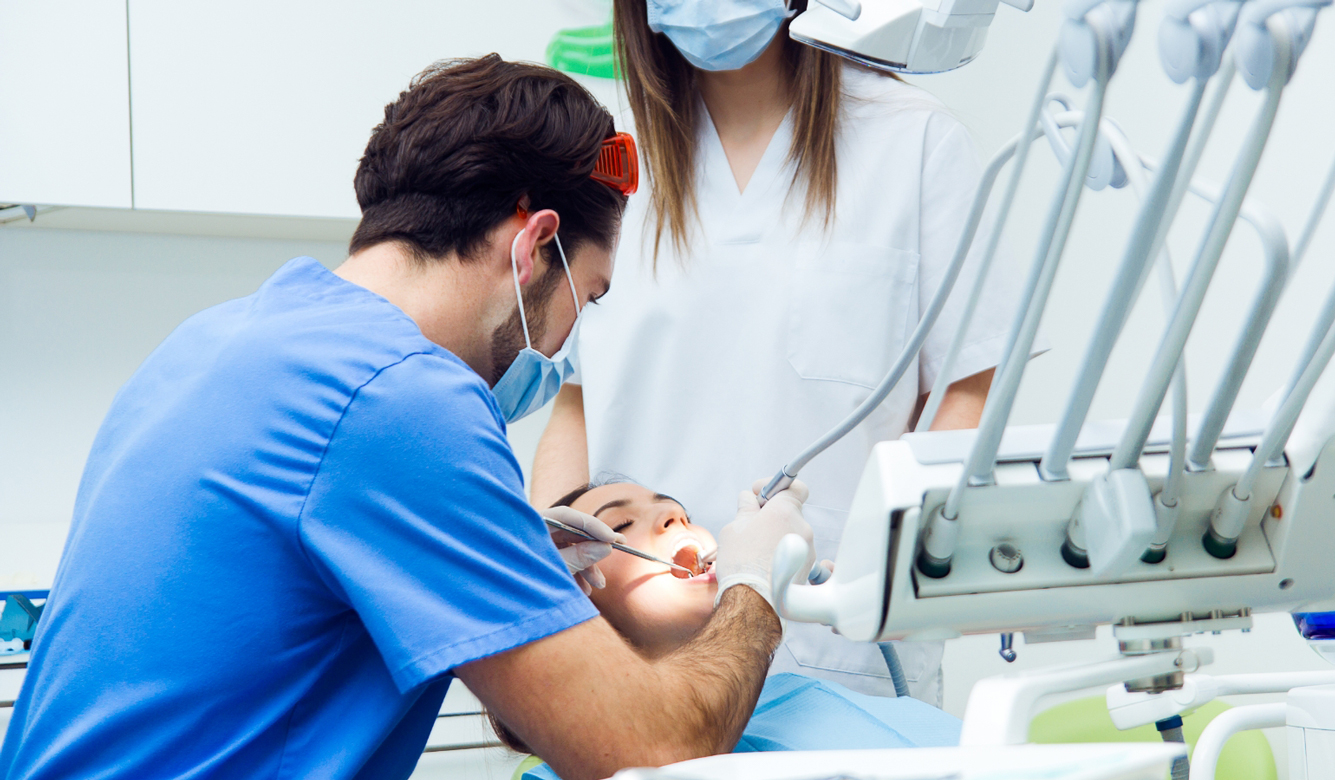
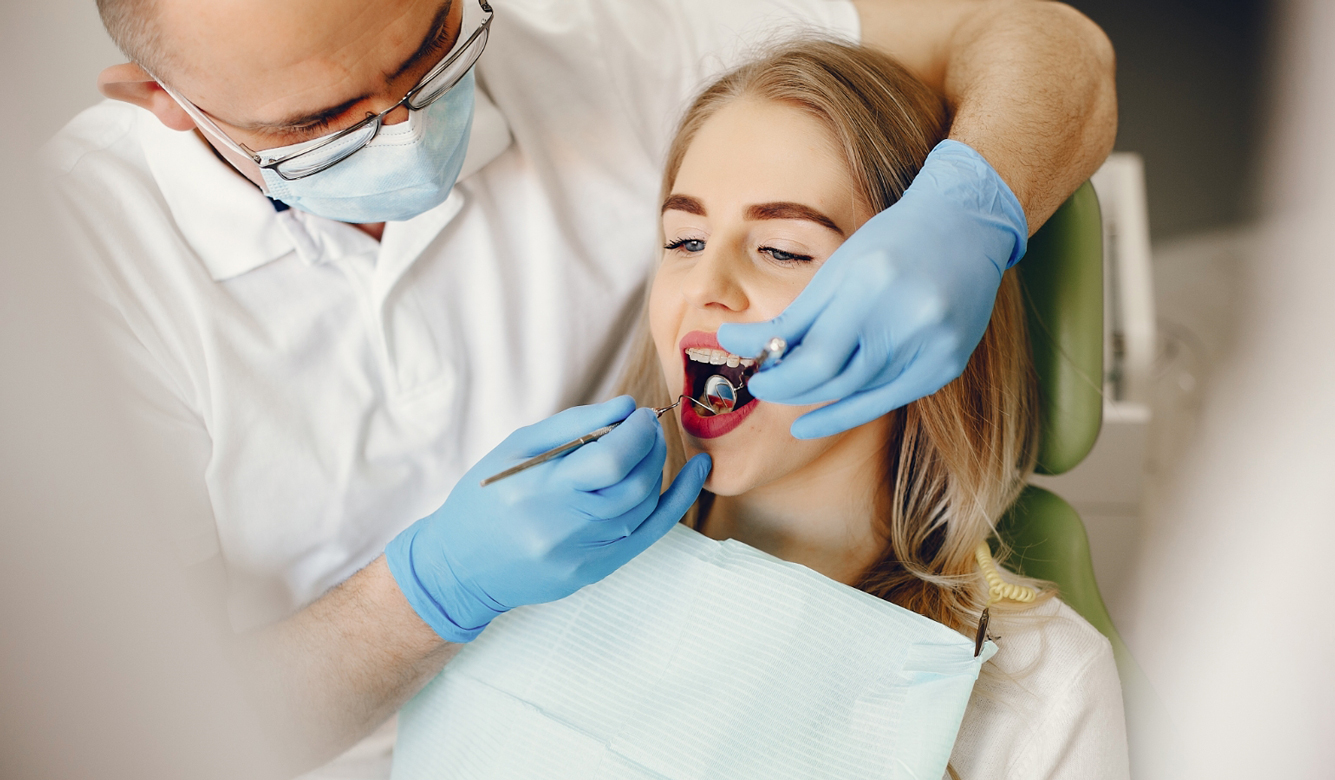
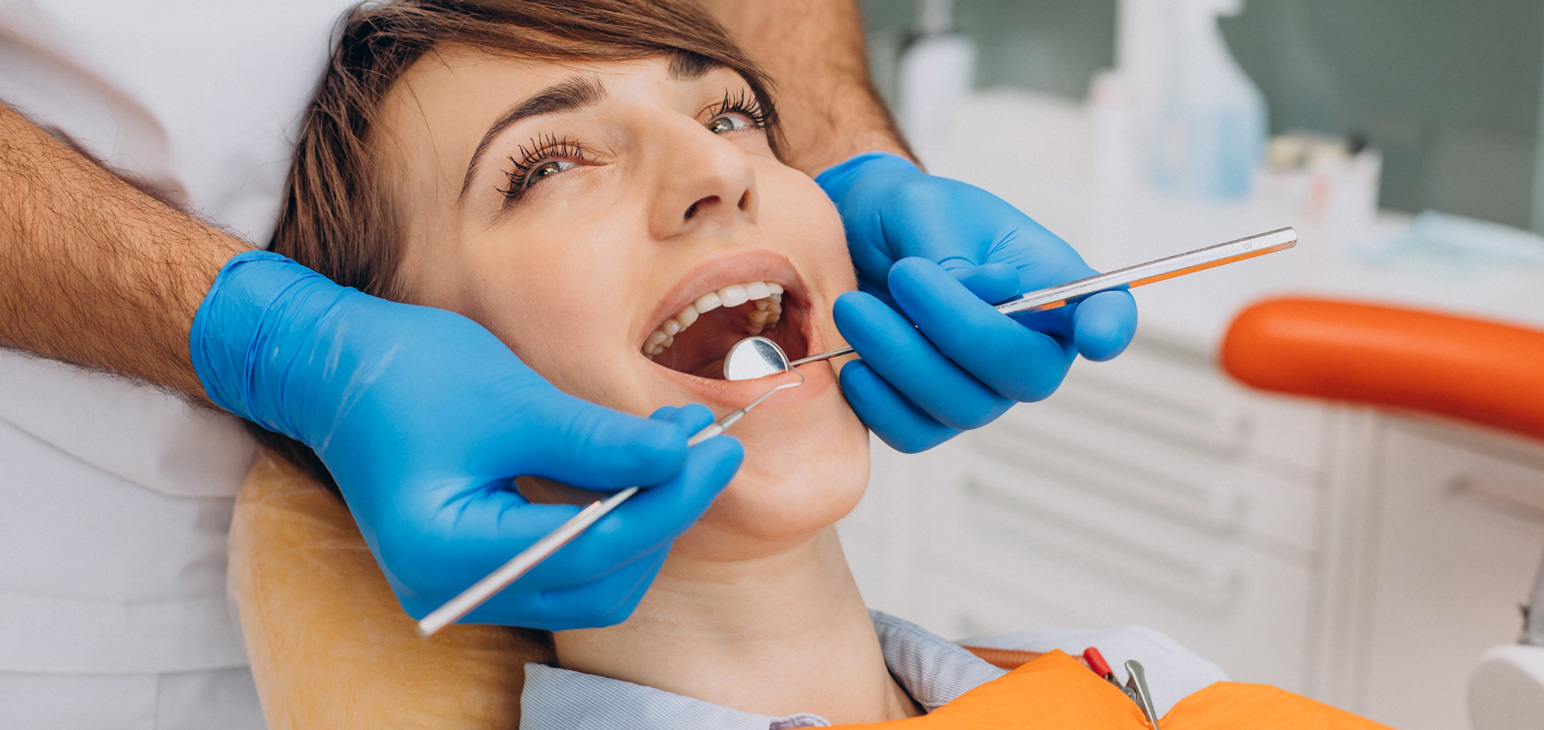
Emergency dental visits focus on fast pain control and safety.
Typical steps include:
1. Pain Assessment
The dentist identifies where the pain originates and how severe it is.
2. Imaging if Needed
X-rays help detect infection, fractures, or deep decay.
3. Immediate Relief
Treatment may include:
Draining infection
Temporary fillings
Medication
Tooth stabilization
4. Next-Step Plan
Some cases need follow-up treatment. You’ll receive clear guidance before leaving.
Many emergency appointments are completed on the same day.
Midnight Toothache: 3 Things to Do Right Now
(60-Second Video Script)
Opening (0–5 seconds)
“Can’t sleep because of tooth pain? Do this now.”
Step 1 (5–20 seconds)
“Rinse gently with warm saltwater to calm gums and reduce bacteria.”
Step 2 (20–40 seconds)
“Apply an ice pack to the cheek — 10 minutes on, 10 off.”
Step 3 (40–55 seconds)
“Use a safe pain reliever if needed. Never place medicine on the tooth.”
Close (55–60 seconds)
“If pain continues, emergency dental care today prevents bigger problems.”
Emergency Dental Care in Port Macquarie, NSW
Tooth pain doesn’t follow a schedule. When discomfort interrupts sleep or daily life, timely dental care helps prevent complications.
Emergency dental services focus on:
Fast pain relief
Infection control
Tooth preservation
Same-day appointments are often available for urgent cases.
 Prefer to talk first? Call the clinic to speak with our friendly team and get clear guidance on your next steps.
Frequently Asked Questions (FAQ's)
Can a toothache stop on its own?
Pain may fade temporarily, but the cause usually remains. Infection and decay often worsen without treatment.
Is night-time tooth pain serious?
Often yes. Pain that increases at night frequently involves nerves or infection.
Can I endure pain until morning?
Mild sensitivity may wait. Severe pain, swelling, or fever should not.
Will antibiotics fix tooth pain?
Antibiotics may reduce infection but do not repair the tooth. Dental treatment is still required.
Final Thought
Toothache pain demands attention — especially when it disrupts rest. Home care can help for a short time, but persistent or intense pain signals a deeper issue.
Emergency dental care exists for these moments. Acting early reduces risk, controls pain faster, and protects your health.