



Oral health plays a crucial role in overall well-being, and new research continues to highlight the connection between dental hygiene and conditions such as heart disease and diabetes. While brushing your teeth is a daily habit, using the right technique can make all the difference in preventing cavities, gum disease, and bad breath.
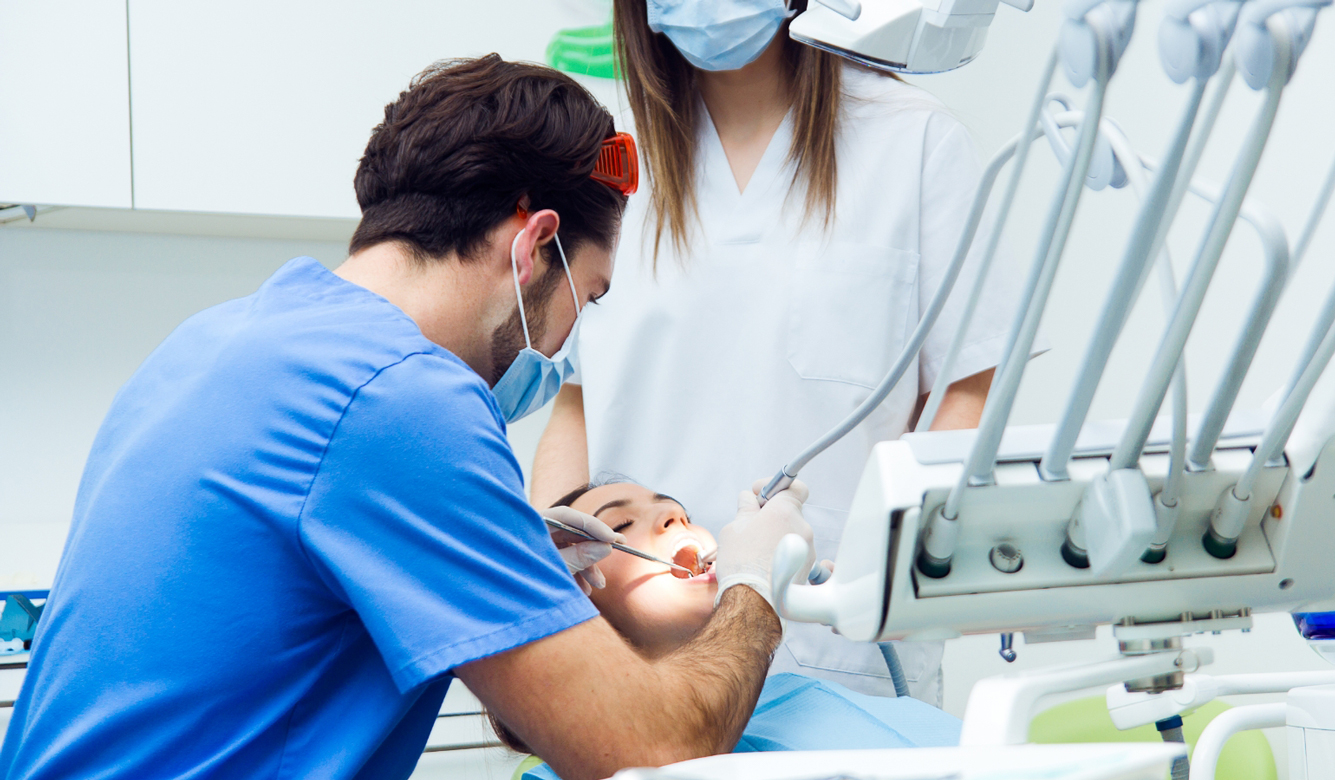
Whether you’re maintaining your routine or dealing with a dental emergency, knowing how to brush properly ensures that your teeth and gums stay healthy. If you ever experience severe pain, infection, or damage to your teeth, visiting an emergency dentist or scheduling an emergency dental appointment is essential to prevent complications.
Let’s take a look at the best brushing techniques recommended by dentists in 2024.
Why Proper Brushing Techniques Matter
Brushing twice a day is important, but how you brush determines whether you’re effectively removing plaque and bacteria. Poor brushing habits can lead to:
- Cavities – Plaque buildup erodes enamel, leading to tooth decay.
- Gum disease – Bacteria in plaque can cause inflammation, leading to gingivitis or periodontitis.
- Tooth sensitivity – Aggressive brushing or improper technique can wear down enamel and expose sensitive areas.
- Bad breath – Food particles and bacteria left in the mouth contribute to persistent bad breath.
Regular brushing, combined with professional dental care, can prevent these issues. If you’re experiencing tooth pain or gum inflammation, booking a dentist appointment as soon as possible can help address the problem before it worsens.
Three Effective Brushing Techniques
There’s no universal brushing method that works for everyone, but dental professionals often recommend three techniques that help maintain clean and healthy teeth.
1. The Bass Technique (Best for Gum Health)
The Bass technique is designed to remove plaque along the gumline, where bacteria tend to accumulate. This method is excellent for preventing gum disease and is gentle on sensitive gums.
How to Brush Using the Bass Technique:
- Hold your toothbrush at a 45-degree angle against the gumline.
- Use small, back-and-forth strokes to clean the area where the gums meet the teeth.
- Systematically move around your mouth, brushing both inner and outer surfaces.
- Brush the chewing surfaces using circular motions.
Best for:
- People at risk of gum disease.
- Those with sensitive gums who need a gentle approach.
If you notice gum bleeding or persistent discomfort while brushing, consider making an emergency dental appointment to check for signs of infection or gum disease.
2. The Stillman Technique (Best for Stimulating Gums)
The Stillman technique is similar to the Bass method but also focuses on gum stimulation, making it a great option for those with receding gums.
How to Brush Using the Stillman Technique:
- Hold your toothbrush at a 45-degree angle, ensuring the bristles touch both your gums and teeth.
- Use gentle vibratory motions while maintaining bristle contact with the gumline.
- Continue brushing along all tooth surfaces using the same motion.
Best for:
- Individuals with receding gums.
- People looking to stimulate gum health and improve circulation.
If you experience gum recession or sensitivity, a dentist appointment can help identify the cause and provide treatment options.
3. The Modified Bass Technique (Best for Thorough Cleaning)
The Modified Bass technique builds on the standard Bass method by adding a sweeping motion to remove more plaque and food debris.
How to Brush Using the Modified Bass Technique:
- Start with the same 45-degree angle and gentle strokes as the Bass technique.
- After brushing each section, use a sweeping motion to push plaque and debris away from the gumline.
- Brush all surfaces of the teeth, including chewing areas.
Best for:
- Anyone who wants a more thorough plaque removal method.
- People at risk of tooth decay or plaque buildup.
Choosing the Right Toothbrush
Your toothbrush plays a significant role in how effective your brushing is. When selecting a toothbrush, consider the following:
✅ Soft bristles – Gentle on enamel and gums, preventing irritation.
✅ Compact brush head – Allows better access to all areas of the mouth.
✅ Electric vs. manual – Electric toothbrushes offer consistent, controlled motions, but a manual toothbrush can be just as effective with proper technique.
If you’re unsure about which toothbrush is best for you, consult with your emergency dentist or regular dental provider for recommendations.
How Long and How Often Should You Brush?
🕒 Duration: Brush for at least two minutes to ensure all surfaces are properly cleaned.
🦷 Frequency: Brush twice a day, preferably in the morning and before bed.
🛡️ Toothpaste: Use a fluoride toothpaste to protect against cavities and strengthen enamel.
Common Brushing Mistakes to Avoid
Even if you brush regularly, certain habits can reduce effectiveness and even harm your teeth.
❌ Brushing too hard – Can wear down enamel and cause gum recession.
❌ Using an old toothbrush – Replace your toothbrush every 3-4 months or when bristles become frayed.
❌ Skipping the tongue – Bacteria on the tongue contribute to bad breath, so clean it regularly.
❌ Rinsing immediately after brushing – Spitting out excess toothpaste is fine, but avoid rinsing right away to allow fluoride to work longer.
If you’re experiencing persistent sensitivity, pain, or gum bleeding, it may be time to visit a 24-hour dentist for an urgent evaluation.
A Complete Oral Care Routine
Brushing is just one part of maintaining a healthy smile. A complete oral hygiene routine should include:
✔ Flossing daily – Cleans areas your toothbrush can’t reach.
✔ Using mouthwash – Helps eliminate bacteria and freshen breath.
✔ Eating a balanced diet – Reduces sugar intake to prevent cavities.
✔ Regular dental visits – Professional cleanings help detect issues early.
When to See an Emergency Dentist
While daily brushing helps prevent dental problems, emergencies can still happen. You should schedule an emergency dental appointment if you experience:
🔹 Severe tooth pain that doesn’t go away.
🔹 A knocked-out or broken tooth due to an accident.
🔹 Signs of infection like swelling, pus, or a persistent bad taste in your mouth.
🔹 Uncontrolled gum bleeding that won’t stop.
For urgent dental care, a 24-hour dentist can provide immediate treatment to relieve pain and prevent further complications.
Final Thoughts
Brushing your teeth the right way can make a big difference in your overall oral health. Whether you prefer the Bass, Stillman, or Modified Bass technique, consistency and gentle brushing motions are key. Pair your routine with flossing, mouthwash, and regular dental visits for the best results.
If you have concerns about your oral health or need immediate care, don’t wait—schedule a dentist appointment at Hastings Dental Centre today. If you’re facing a dental emergency, contact a 24-hour dentist to get the care you need right away.