

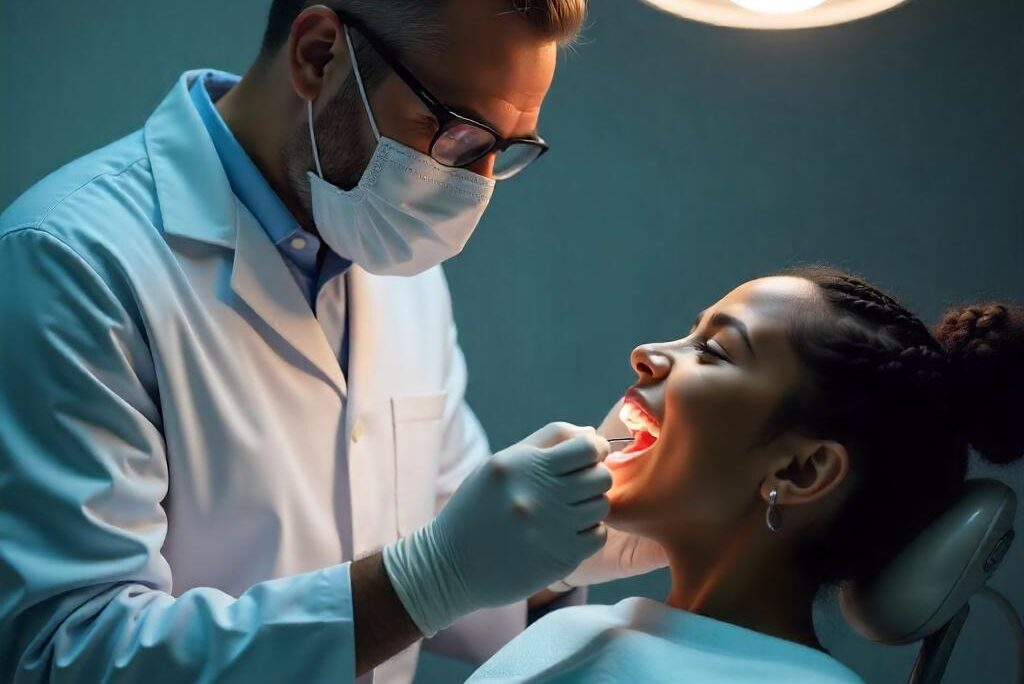
Dental health affects more than just your smile—it impacts your overall well-being, confidence, and quality of life. Understanding common dental issues can help you recognize symptoms early and determine when to seek an emergency dentist in NSW or schedule a routine dental appointment. At Hastings Dental Centre, our advance dentist team encounters these conditions regularly and wants to educate patients about prevention and treatment options.
1. Toothaches: More Than Just Discomfort
Tooth pain can range from mild sensitivity to severe, throbbing pain that disrupts daily activities. Common causes include tooth decay, infection, damaged fillings, or gum disease. While over-the-counter pain relievers and warm saltwater rinses provide temporary relief, persistent pain requires professional evaluation from a dentist near me.
Warning signs requiring an emergency dentist:
- Swelling around the affected tooth
- Fever accompanying tooth pain
- Pus discharge
- Severe pain lasting more than 48 hours
- Trauma causing tooth displacement or loss
2. Tooth Staining: Causes and Solutions
Discolored teeth result from various factors including coffee, tea, red wine, tobacco use, certain medications, and age-related enamel thinning. Modern advance dentist techniques offer multiple whitening approaches:
Professional dental treatments provide faster, more dramatic results using concentrated bleaching agents and specialized equipment. Schedule a dental appointment to discuss which whitening option suits your needs. At-home options include custom-fitted trays with professional-grade gel or over-the-counter whitening products for surface stain removal.
3. Cavities: The Silent Destroyers
Tooth decay affects people of all ages, developing when harmful bacteria produce acids that erode tooth enamel. Early-stage cavities often show no symptoms, making regular dental checkups crucial for detection.
Prevention strategies:
- Brush twice daily with fluoride toothpaste
- Floss daily to remove plaque between teeth
- Limit sugary and acidic foods
- Use antimicrobial mouthwash
- Consider dental sealants for added protection
4. Chipped and Cracked Teeth
Dental trauma represents the most frequent type of tooth injury. Chips can occur from biting hard objects, sports injuries, or accidents. If you experience significant dental trauma, contact an emergency dentist immediately. Treatment depends on the damage extent:
- Minor chips: Dental bonding or polishing during a routine dental appointment
- Moderate damage: Porcelain crowns or veneers
- Severe fractures: Root canal therapy followed by crown placement
5. Impacted Teeth: When Space is Limited
Teeth become impacted when insufficient space prevents proper eruption. Wisdom teeth most commonly experience this issue, but any tooth can become impacted. Symptoms include pain, swelling, and difficulty opening the mouth. Severe impaction pain may require an emergency dentist visit.
Treatment varies based on the tooth’s position and potential complications. Some impacted teeth remain monitored during regular dental appointments, while others require surgical removal to prevent crowding or infection. An advance dentist can evaluate impacted teeth using 3D imaging for precise treatment planning.
6. Temperature Sensitivity: Understanding the Causes
Cold or hot tooth sensitivity indicates exposed tooth roots, worn enamel, or underlying dental problems. Common triggers include:
- Receding gums exposing root surfaces
- Worn tooth enamel from aggressive brushing
- Cracked or damaged teeth
- Recent dental procedures
Management options range from desensitizing toothpaste to fluoride treatments, depending on the underlying cause. If sensitivity persists or worsens, book a dental appointment with a dentist near me to identify and address the root cause.
7. Hyperdontia: Extra Teeth Complications
Though rare, some individuals develop additional teeth beyond the standard 32 adult teeth. This condition, called hyperdontia, can cause crowding, bite problems, and difficulty maintaining proper oral hygiene.
Treatment typically involves surgical removal of extra teeth followed by orthodontic correction to align the remaining teeth properly.
8. Orthodontic Issues: Beyond Aesthetics
Crooked teeth and bite problems affect more than appearance. Misaligned teeth can cause:
- Difficulty cleaning, leading to decay and gum disease
- Jaw pain and temporomandibular joint disorders
- Uneven tooth wear
- Speech difficulties
Modern advance dentist orthodontic treatments include traditional braces, clear aligners, and specialized appliances to correct various alignment issues. During your dental appointment consultation, we can assess your alignment needs and recommend the most suitable treatment approach.
9. Gaps Between Teeth: Treatment Options
Spaces between teeth can result from genetics, thumb sucking, gum disease, or missing teeth. While some gaps pose no health risks, others may trap food particles or affect speech.
Correction methods include orthodontic movement, dental bonding, veneers, or implants, depending on the gap’s size and location.
10. Gum Disease: The Silent Threat
Gingivitis, the early stage of gum disease, causes red, swollen, bleeding gums. Without treatment, it progresses to periodontitis, potentially causing tooth loss and affecting overall health. Advanced gum disease may require emergency dentist intervention to prevent tooth loss.
Prevention requires:
- Consistent oral hygiene routine
- Regular professional cleanings through scheduled dental appointments
- Smoking cessation
- Managing diabetes and other systemic conditions
11. Teeth Grinding (Bruxism): Nighttime Damage
Many people grind or clench their teeth unconsciously, especially during sleep. This habit, called bruxism, can cause:
- Worn tooth surfaces
- Jaw muscle pain
- Headaches
- Cracked or loose teeth
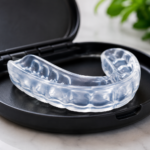
Treatment approaches include custom night guards fitted by an advance dentist, stress management techniques, and addressing underlying sleep disorders. Schedule a dental appointment if you suspect bruxism to prevent long-term damage.
12. Wisdom Tooth Problems: Age-Old Issues
Most adults develop four wisdom teeth, but 90% experience at least one impacted wisdom tooth. These third molars often lack sufficient space to erupt properly, causing:
- Pain and swelling
- Infection risk
- Damage to adjacent teeth
- Difficulty cleaning
Regular monitoring during routine dental appointments helps determine if wisdom tooth removal is necessary. An advance dentist can use digital imaging to assess wisdom tooth positioning and recommend appropriate treatment.
13. Oral Care Challenges: Making Flossing Possible
Tight contacts between teeth shouldn’t prevent proper flossing. Alternative cleaning tools include:
- Waxed or ultra-thin floss
- Water flossers
- Interdental brushes
- Floss picks or threaders
Finding the right tool ensures effective plaque removal in all areas.
14. Cosmetic Dental Accessories: Safety Considerations
Cosmetic dental accessories like grills require careful consideration. Poorly fitted or low-quality materials can cause:
- Tooth damage from improper adhesives
- Gum irritation
- Increased bacteria accumulation
- Difficulty maintaining oral hygiene
Prevention: Your Best Defense
Most dental problems are preventable through:
- Consistent oral hygiene: Brush twice daily, floss regularly
- Regular dental visits: Professional cleanings and examinations
- Protective measures: Mouthguards for sports, night guards for grinding
- Healthy lifestyle choices: Balanced diet, avoiding tobacco
- Early intervention: Addressing minor issues before they become major problems
When to Seek Professional Care
Contact a dentist near me or schedule a dental appointment promptly if you experience:
- Persistent pain or sensitivity
- Bleeding or swollen gums
- Changes in bite or jaw alignment
- Visible damage to teeth
- Signs of infection
For severe pain, trauma, or swelling that develops rapidly, seek an emergency dentist immediately. Don’t wait for “How to get an emergency dentist appointment in NSW?” regular office hours if you’re experiencing dental emergencies.
Conclusion
Understanding common dental problems empowers you to maintain better oral health and seek appropriate treatment when needed. At Hastings Dental Centre, our advance dentist team is committed to helping patients prevent dental issues through education and providing comprehensive treatment when problems arise.
Regular dental appointments, good oral hygiene, and prompt attention to symptoms form the foundation of lifelong dental health. Whether you need routine care or an emergency dentist for urgent issues, don’t wait for pain or problems to worsen—contact a dentist near me today to keep your smile healthy and beautiful.
Remember, investing in preventive dental care today saves time, money, and discomfort in the future. Your teeth are meant to last a lifetime with proper care and professional support from qualified dental professionals.