


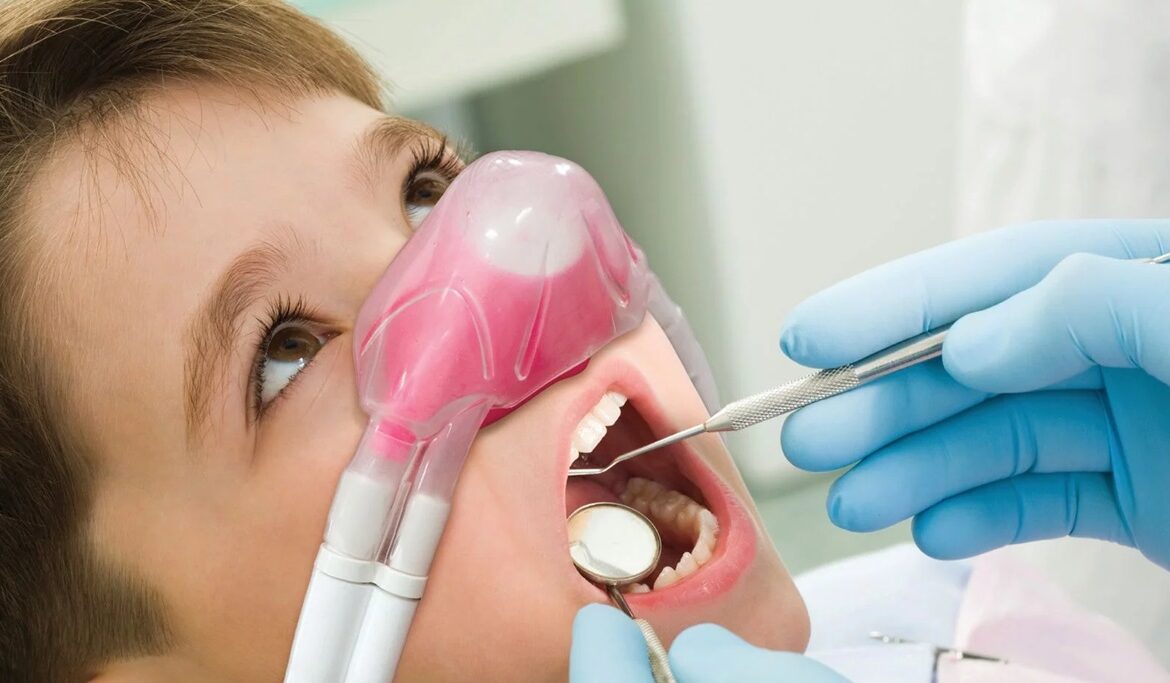
For many parents, a child’s first visit to the dentist comes with a few questions: Will they sit still? Will they be frightened? What if the dentist finds a cavity? And how much will the appointment cost? These concerns are completely normal, especially when your child has never experienced dental care before.
The good news is that a dental visit does not have to be something your child dreads. With the right approach, children can gradually become comfortable with the dental chair, learn why looking after their teeth matters and build habits that can protect their smile as they grow.
At Hastings Dental Centre in Port Macquarie, children’s dentistry focuses on more than checking for cavities. Regular visits give our dental team an opportunity to monitor developing teeth, identify problems early, provide preventive care and help parents understand what they can do at home to support their child’s oral health.
Whether your little one has just developed their first teeth, is starting school, has a loose baby tooth or is already getting their permanent teeth, having a familiar children’s dentist in Port Macquarie can make dental care a much more positive experience.
For families in Port Macquarie and surrounding areas, this guide explains when children should see a dentist, what happens during a kids’ dental appointment, common treatments, ways to manage dental anxiety and what parents should know about Medicare’s Child Dental Benefits Schedule (CDBS).
Ready to make dental visits easier for your child?
Book an appointment with Hastings Dental Centre, 1/62 William Street, Port Macquarie NSW 2444, or call (02) 6583 7211.
Why Choose a Children’s Dentist in Port Macquarie?
Children’s teeth are constantly changing. Baby teeth eventually make way for permanent teeth, jaws grow, eating habits develop and oral hygiene routines need to change as children get older.
A child’s dental appointment is therefore about more than simply checking for cavities.
A dental team can monitor:
- Tooth development
- Jaw growth
- Tooth eruption
- Early signs of tooth decay
- Gum health
- Oral hygiene
- Bite development
- Dental habits
- The condition of existing fillings or restorations
- The need for preventive treatments
Children can also develop dental problems without telling their parents. Some children tolerate tooth sensitivity or discomfort for a while, particularly if they are unsure how to explain what they are feeling.
Regular kids dental check-ups in Port Macquarie allow potential problems to be identified before they become emergencies.
Hastings Dental Centre provides children’s dentistry alongside general and preventive dental services, allowing families to access dental care for different stages of life in one practice.
When Should Your Child First Visit the Dentist?
One of the most common questions parents ask is: “When should my child first see a dentist?”
Australian dental guidance recommends that children have their first dental visit when their first tooth appears or by their first birthday, whichever comes first.
This may seem early, but the first appointment is not necessarily about performing extensive treatment.
For a young child, the visit can be an opportunity to:
- Become familiar with the dental environment
- Allow the dentist to examine the teeth and gums
- Identify early signs of decay
- Discuss brushing and oral hygiene
- Talk about diet and sugary drinks
- Give parents advice about developing healthy habits
- Help the child become comfortable with future dental appointments
Early visits can be particularly valuable because a child who only visits the dentist after developing significant pain may associate dental care with discomfort or fear.
The Australian Dental Association has highlighted the importance of taking children to the dentist early rather than waiting until they experience pain or another dental problem.
What Happens During a Child’s Dental Appointment?
Parents sometimes worry that their child will not cooperate during a dental examination. This is completely understandable, particularly if it is their first appointment.
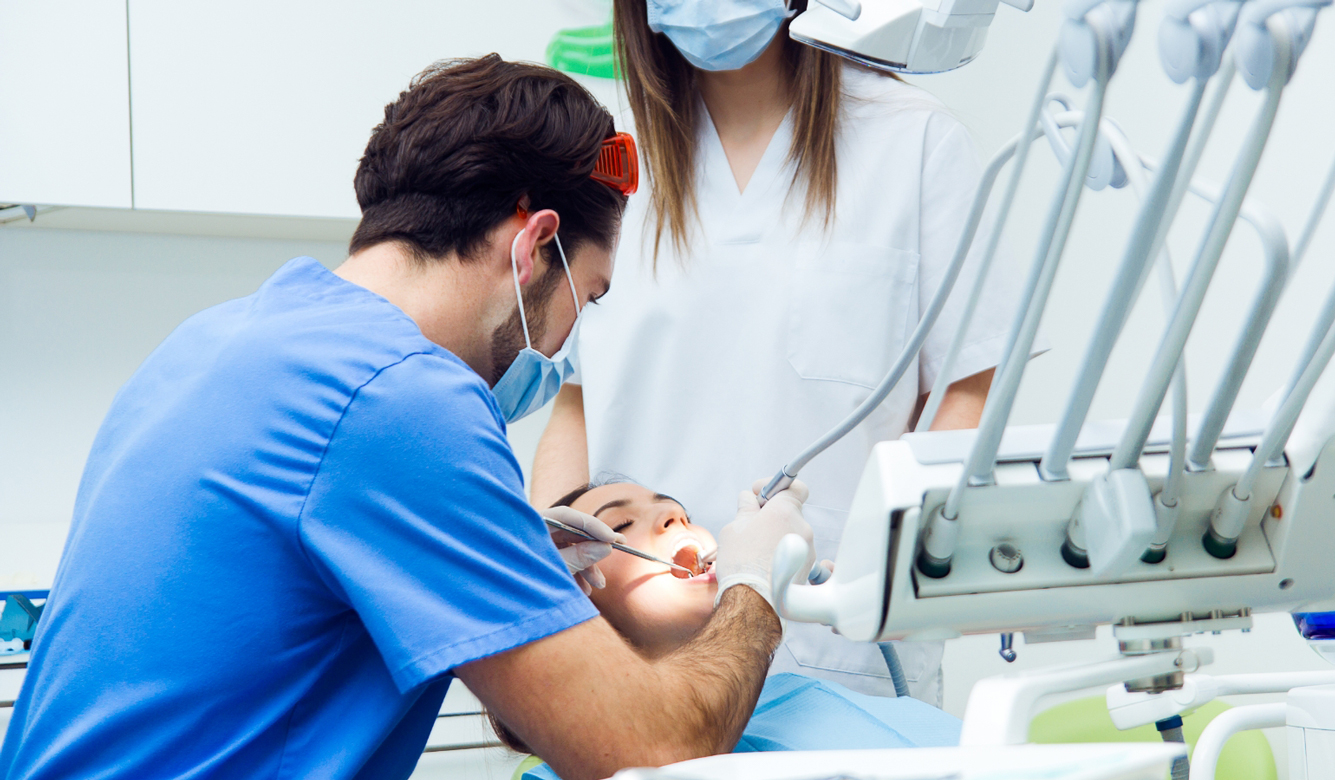
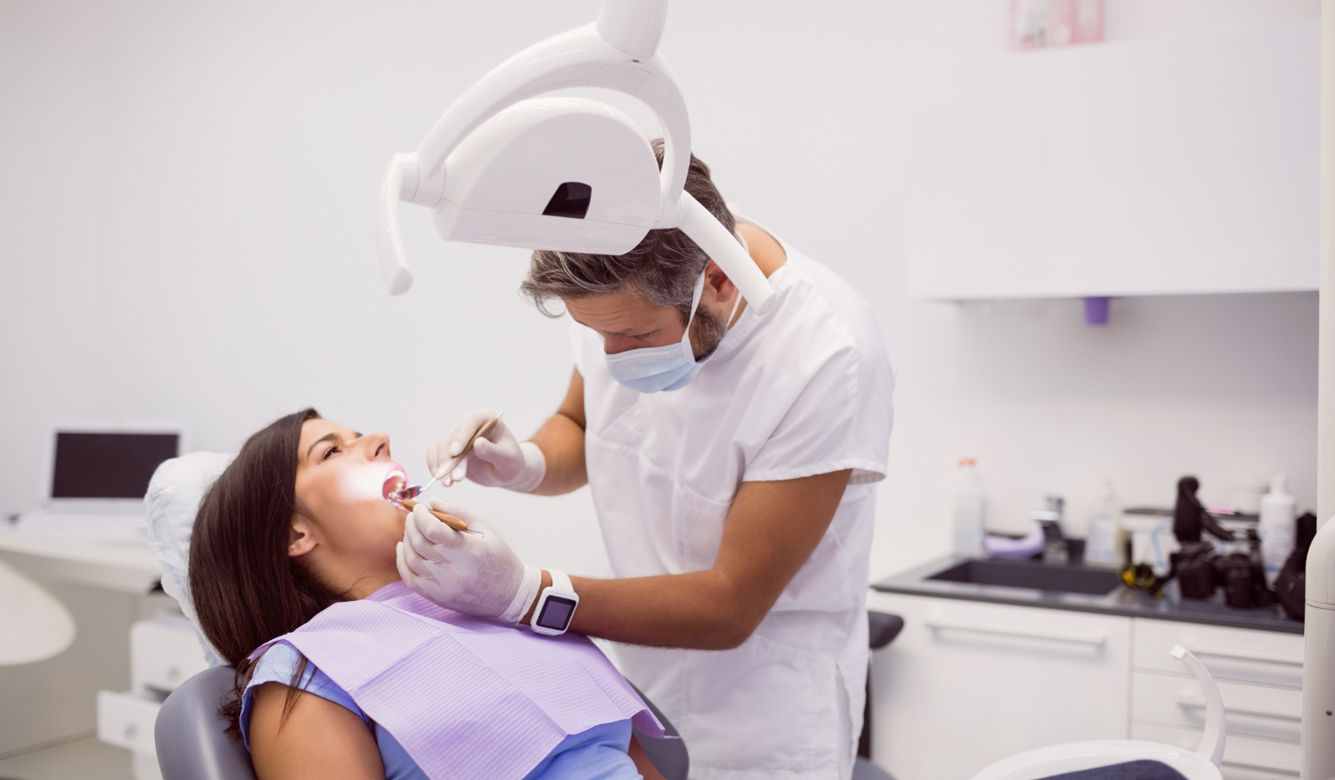
A children’s dental appointment can be adapted according to the child’s age, confidence and dental needs.
A typical visit may include:
1. Getting Comfortable
The first step is helping your child become familiar with the dental team and surroundings.
For a younger child, this might simply involve talking with them and allowing them to become comfortable before the examination.
2. Dental Examination
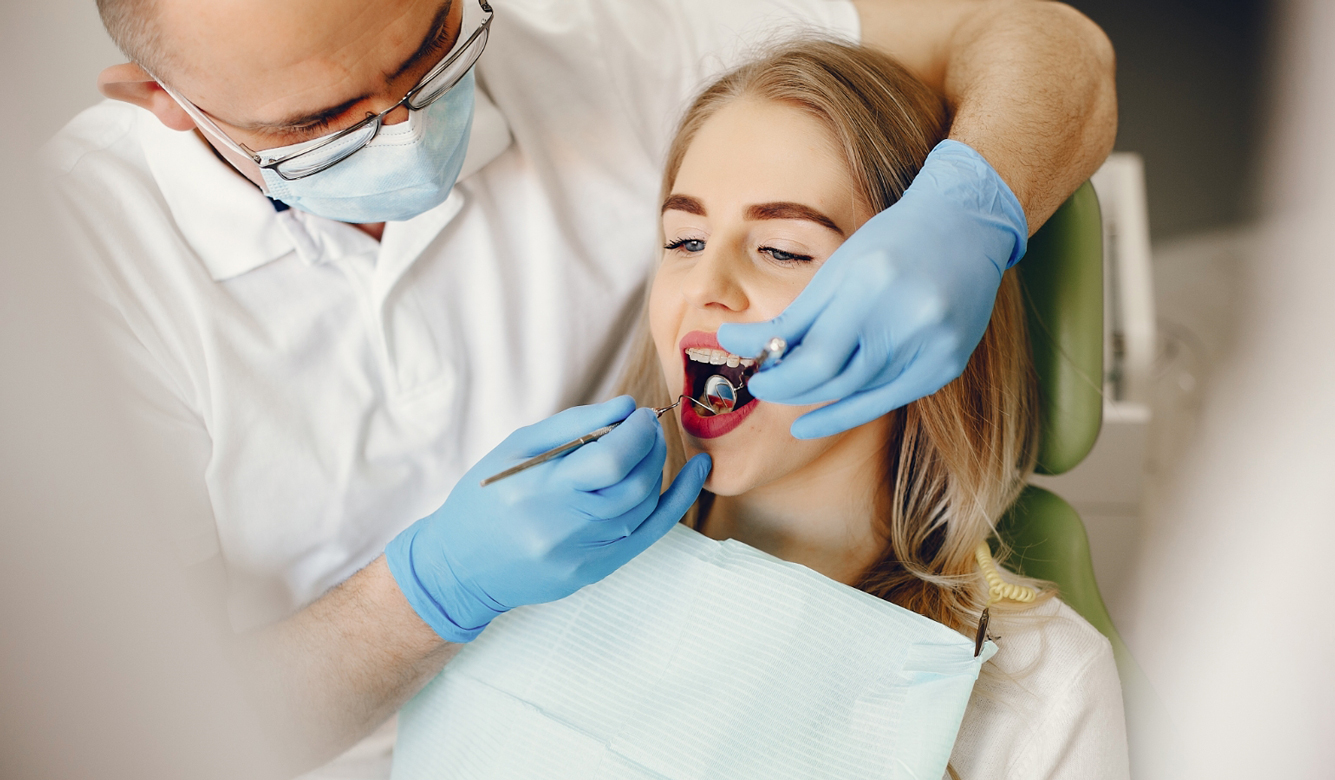
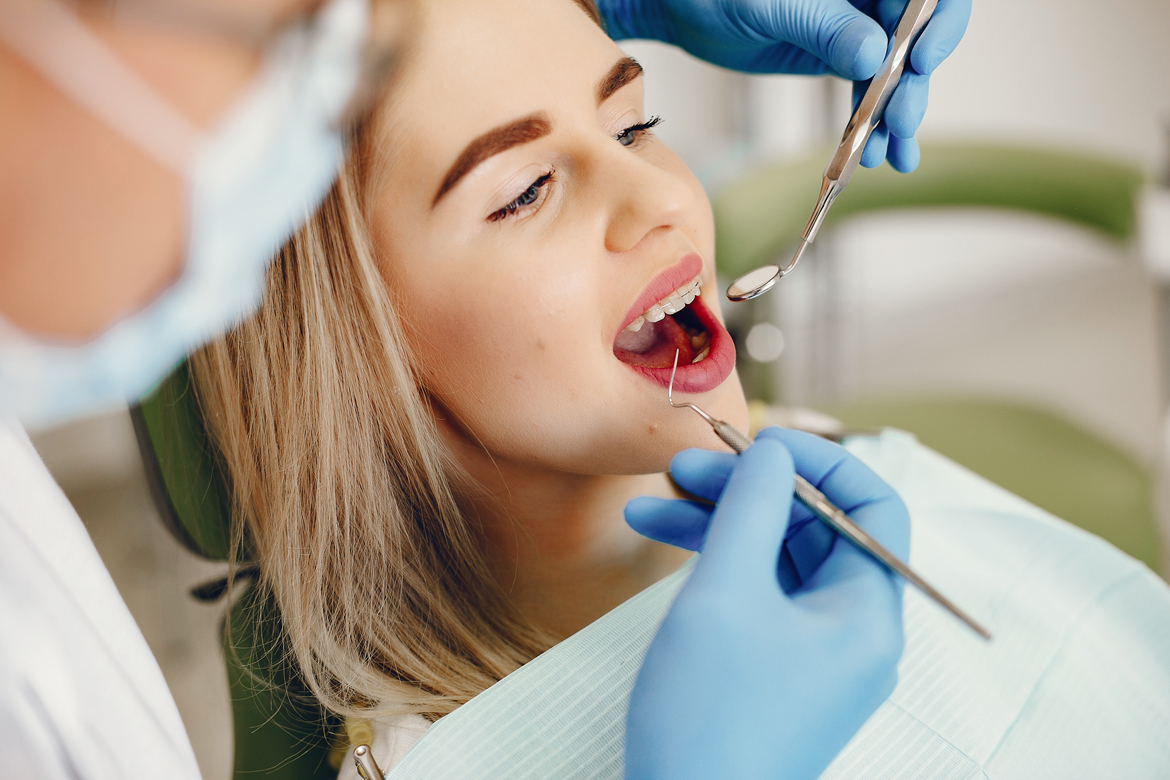
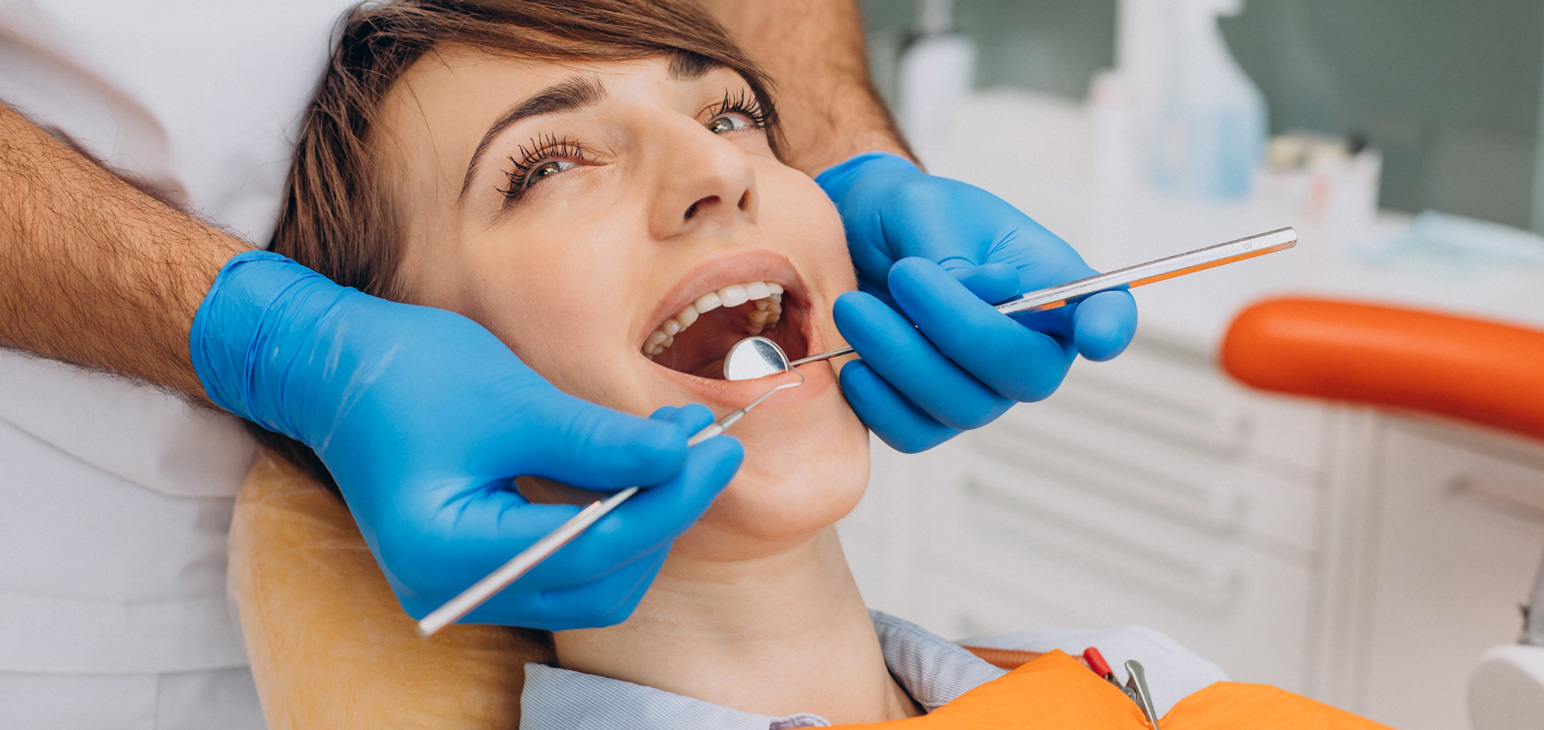
The dentist examines the teeth, gums and mouth for signs of:
- Tooth decay
- Plaque build-up
- Gum problems
- Chipped or damaged teeth
- Eruption issues
- Changes in tooth development
- Bite or alignment concerns
3. Preventive Dental Advice
Parents can receive practical advice about brushing, flossing, diet and other factors that affect children’s oral health.
4. Cleaning or Fluoride
Depending on your child’s needs, professional cleaning and fluoride treatment may be recommended.
5. X-rays When Appropriate
Dental X-rays are not automatically required at every appointment. They may be recommended when the dentist needs additional information that cannot be obtained from a visual examination.
6. Discussion With Parents
The dentist can explain what has been found and recommend the next steps, whether that means continuing with preventive care or arranging treatment.
Common Children’s Dental Treatments
A kids dentist in Port Macquarie can provide preventive and restorative care as children grow.
Depending on your child’s individual needs, treatment may include:
Dental Check-Ups
Routine examinations allow the dentist to monitor changes in your child’s mouth and identify problems early.
Professional Dental Cleaning
Children can develop plaque and tartar just like adults. Professional teeth cleaning can remove deposits that regular brushing may not completely eliminate.
Fluoride Treatment
Fluoride can help strengthen tooth enamel and reduce the risk of tooth decay when used appropriately.
Fissure Sealants
The grooves and pits on the chewing surfaces of back teeth can sometimes trap food and bacteria.
Fissure sealants are protective coatings placed into these areas to help make them easier to keep clean and reduce the risk of decay.
Dental Fillings
If tooth decay develops, a filling may be recommended to restore the affected tooth.
Treating decay early can help prevent the problem from becoming more extensive.
Monitoring Tooth Development
As baby teeth are replaced by permanent teeth, dentists can monitor whether teeth are developing and erupting as expected.
If an orthodontic concern becomes apparent, your dentist can discuss whether monitoring or referral is appropriate.
Emergency Dental Care
Children can damage teeth during sport, play, falls or accidents.
A broken, displaced or knocked-out tooth should be assessed promptly. Parents should contact a dental practice as soon as possible after significant dental trauma.
Hastings Dental Centre also provides emergency dental appointments, giving families access to dental care when an unexpected problem occurs.
How to Help Your Child Feel Comfortable at the Dentist?
Dental anxiety can develop for many reasons. Sometimes it starts with an unpleasant previous experience; in other cases, children simply feel nervous about an unfamiliar environment.
Parents can help by keeping the conversation positive and simple.
Use Positive Language
Instead of telling your child:
“Don’t be scared. It won’t hurt.”
Try:
“The dentist is going to have a look at your teeth and help keep them healthy.”
Children can sometimes become more concerned when adults repeatedly mention pain or fear.
Avoid Sharing Your Own Dental Fears
Children often pick up on their parents’ emotions.
If you feel nervous about dental appointments yourself, try to keep your child’s visit focused on their experience.
Let the Dental Team Explain Things
Dental professionals regularly work with patients who may be nervous or unfamiliar with treatment.
Allowing the dentist to explain procedures in simple language can help the child understand what is happening.
Choose a Suitable Appointment Time
Try to book an appointment when your child is generally rested and cooperative.
For younger children, appointments that clash with normal nap times may be more difficult.
Make Dental Visits Routine
Regular appointments help children understand that visiting the dentist is a normal part of looking after themselves.
Over time, familiarity can make dental appointments feel much less intimidating.
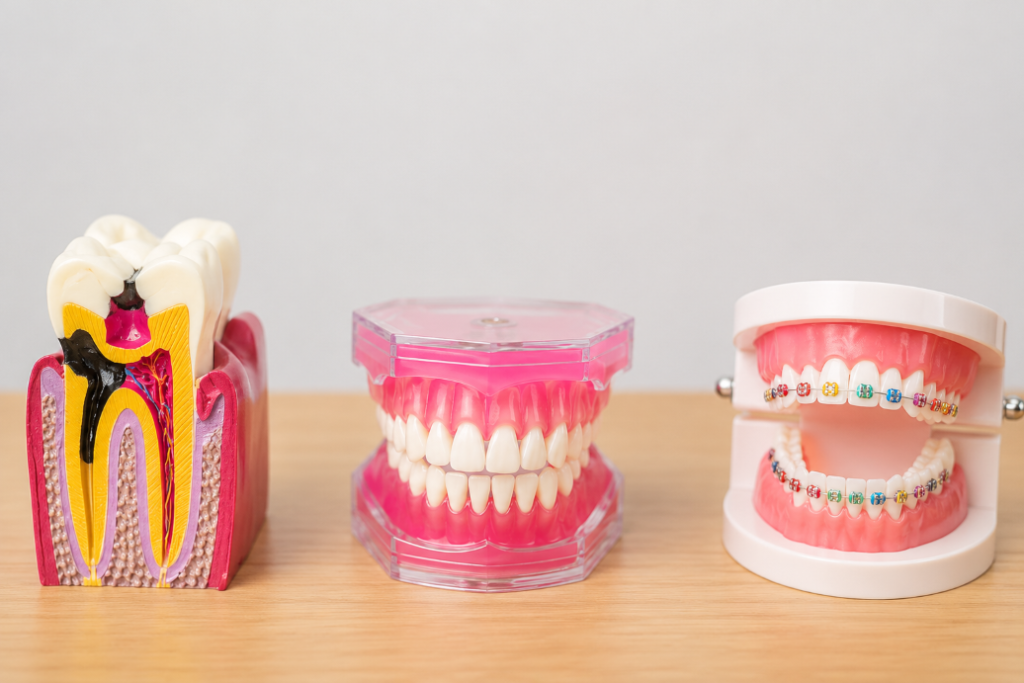
Affordable Kids’ Dental Care ( Medicare, CDBS and Bulk Billing )
Cost is an important consideration for many Port Macquarie families, particularly when children require regular dental appointments.
The Child Dental Benefits Schedule (CDBS) is an Australian Government program that can cover part or all of the cost of some basic dental services for eligible children.
In 2026, the CDBS provides up to $1,158 per eligible child over two consecutive calendar years for covered basic dental services.
Who Can Be Eligible for CDBS?
A child can generally be eligible when they:
- Are eligible for Medicare
- Are aged 0–17 for at least one day during the calendar year
- Have a parent, carer or guardian receiving an eligible government payment, subject to the program’s requirements.
Parents do not generally need to submit a separate application for their child to be assessed for CDBS eligibility. Services Australia checks eligibility during the year.
What Can CDBS Cover?
Depending on eligibility, available benefits and the service provided, CDBS can cover basic dental services such as:
- Dental examinations
- X-rays
- Cleaning
- Fissure sealing
- Fillings
- Root canal treatment
- Extractions
The Government notes that service restrictions and CDBS rules apply, so parents should confirm the details for their individual child before treatment.
Is There a Bulk Billing Dentist in Port Macquarie for Children?
Parents frequently search online for a bulk billing dentist Port Macquarie NSW because they want to understand whether their child’s dental treatment can be covered through Medicare.
It is important to distinguish between CDBS eligibility and bulk billing.
CDBS can provide benefits for eligible children, but not every dental practice bulk bills every service. Services Australia specifically advises families to check whether their chosen dentist bulk bills before making an appointment.
At Hastings Dental Centre, families can contact the practice to discuss their child’s eligibility and the applicable fees before treatment. The practice’s website also states that eligible children under the CDBS may have some cleaning services fully bulk billed, subject to eligibility and applicable CDBS requirements.
If you are specifically searching for a bulk billing dentist Port Macquarie for kids, ask the practice:
- Is my child eligible for CDBS?
- Does the proposed treatment qualify under CDBS?
- Is the particular service bulk billed?
- Will there be an out-of-pocket cost?
- How much of the child’s CDBS benefit remains?
This gives parents a clearer understanding of their dental expenses before treatment begins.
How Often Should Children See a Dentist?
There is no single appointment schedule that is suitable for every child.
Many children have dental check-ups approximately every six months, but the appropriate interval depends on their individual oral health and risk factors.
A child with a higher risk of tooth decay may need more frequent monitoring.
Regular appointments allow your dentist to monitor:
- Tooth eruption
- Decay risk
- Oral hygiene
- Gum health
- Bite development
- New permanent teeth
- Existing dental treatment
- Changes in oral habits
Raising Children Network notes that children generally need regular dental check-ups after their first visit, with the dentist determining the appropriate interval, commonly around every 6–12 months.
Signs Your Child May Need a Dental Appointment Sooner
Do not wait for the next routine appointment if your child develops symptoms that could indicate a dental problem.
Contact a dentist if your child experiences:
- Toothache
- Sensitivity to hot or cold
- Pain when chewing
- Swollen gums
- Facial swelling
- Bleeding gums that persist
- A visible hole in a tooth
- Dark or unusual areas on a tooth
- A broken or chipped tooth
- A loose tooth after an accident
- A knocked-out permanent tooth
- Difficulty eating because of dental pain
- Persistent bad breath accompanied by other dental symptoms
Dental pain is particularly important to investigate because children may not always be able to identify or describe exactly where the problem is.
Baby Teeth Matter ( Even Though They Eventually Fall Out)
One of the most common misconceptions about children’s dental health is that baby teeth do not need significant care because they will eventually be replaced.
Baby teeth play important roles in childhood.
They help children:
- Eat and chew
- Develop speech
- Maintain space for permanent teeth
- Develop healthy oral habits
Tooth decay in baby teeth can cause pain and infection and may interfere with normal eating and daily activities.
This is why prevention should begin as soon as teeth appear.
Parents should help young children brush effectively and gradually teach them to participate in their own oral hygiene routine.
- Preventing Tooth Decay at Home: Regular dental appointments are only one part of your child’s oral health. Parents can also help protect children’s teeth by establishing consistent habits at home.
- Brush Twice a Day: Children should brush their teeth regularly using age-appropriate fluoride toothpaste and a suitable toothbrush. Younger children generally need assistance from a parent or guardian because they may not yet have the manual dexterity required to clean every surface effectively.
- Clean Between Teeth: Once teeth are touching, cleaning between them becomes important because a toothbrush cannot effectively reach every contact area.
- Limit Sugary Foods and Drinks: Frequent exposure to sugary foods and drinks can increase the risk of tooth decay. Water is generally a good everyday drink choice.
- Be Careful With Bedtime Bottles: Putting a baby to bed with a bottle can contribute to tooth decay. Australian parenting guidance recommends avoiding this habit.
- Protect Teeth During Sport: Children involved in contact or high-impact sports may benefit from wearing an appropriately fitted mouthguard.
What If My Child Is Scared of the Dentist?
A nervous child does not necessarily mean they cannot have successful dental care.
The most helpful approach is often to build familiarity gradually.
A child may need time to become comfortable sitting in the dental chair, opening their mouth for an examination and communicating with the dental team.
Parents can help by:
- Keeping explanations simple
- Avoiding frightening stories about dental treatment
- Arriving with enough time so the child does not feel rushed
- Bringing a favourite comfort item where appropriate
- Praising cooperation rather than demanding perfection
- Maintaining regular appointments
The goal is to create positive experiences so dental care becomes a normal part of growing up.

Children’s Dentistry for Port Macquarie and Surrounding Areas
The practice welcomes families and provides children’s dental care alongside general, preventive, restorative and emergency dental services.
Families may travel to the practice from surrounding communities including:
- Port Macquarie
- Wauchope
- Lake Cathie
- Laurieton
- Lake Innes
- North Haven
- Kendall
- Kempsey
- Other Mid North Coast communities
Having a local dental practice for the whole family can make it easier to maintain regular appointments and address problems early.
Why Early Dental Care Can Save Stress Later?
A small dental problem can sometimes become a much larger problem when treatment is delayed.
For example, early tooth decay may initially cause no obvious symptoms. As decay progresses, a child may develop sensitivity, pain or infection.
Early dental examinations give your dentist the opportunity to identify risk factors and recommend preventive measures before a problem becomes more serious.
This can mean:
- Fewer unexpected dental emergencies
- Earlier treatment when treatment is required
- Better oral hygiene habits
- Greater familiarity with the dental environment
- Less anxiety around future appointments
- Better long-term dental health
The Australian Dental Association has emphasised that many childhood dental problems are preventable and that early dental visits can help identify problems before they become more difficult to manage.
Frequently Asked Questions
At what age should my child first visit a dentist?
Australian guidance recommends a first dental visit when the first tooth appears or by the child’s first birthday, whichever comes first.
How often should kids see a dentist?
Many children benefit from dental check-ups approximately every six months, although the appropriate frequency depends on their individual oral health and risk factors.
Does Medicare cover children’s dental treatment?
Medicare can provide dental benefits through the Child Dental Benefits Schedule for eligible children. CDBS covers part or all of the cost of certain basic dental services, subject to eligibility, service restrictions and available benefits.
Is Hastings Dental Centre a bulk billing dentist in Port Macquarie NSW?
CDBS benefits and bulk billing are not the same thing. Families should confirm their child’s eligibility, the treatment being provided and whether that particular service is bulk billed before treatment. Hastings Dental Centre can be contacted to discuss applicable CDBS arrangements and fees.
What should I do if my child has a toothache?
Arrange a dental assessment rather than relying on pain relief alone. Toothache can have several causes, including tooth decay, infection, trauma or other dental problems.
If your child has facial swelling, significant pain, fever or difficulty swallowing or breathing, seek urgent medical/dental attention.
What if my child is frightened of the dentist?
Tell the dental team before the appointment. A gradual, child-friendly approach can help build confidence. Avoid using frightening dental stories or promising that treatment will never be uncomfortable.
Does Hastings Dental Centre treat children?
Yes. Hastings Dental Centre lists children’s dentistry among its dental services and welcomes patients of different ages.
Give Your Child a Healthy Start With Regular Dental Care
Your child’s first dental experiences can influence how they approach oral health for years to come.
Regular visits allow dental professionals to monitor development, identify early problems and help parents establish healthy routines at home.
For families searching for a children’s dentist in Port Macquarie, kids dentist Port Macquarie, pediatric dentist Port Macquarie or an affordable kids dentist in Port Macquarie, Hastings Dental Centre provides children’s dentistry as part of its family-focused dental services.
If you are also investigating the Child Dental Benefits Schedule or searching for a bulk billing dentist Port Macquarie NSW, contact the practice before your appointment so your child’s eligibility and expected fees can be discussed.
Book Child’s Dental Visit in Port Macquarie
Give your child the benefit of early, consistent dental care.
Book an appointment | Learn about dental emergencies | Explore cosmetic dentistry
Ready to take the next step?
📞 Call Hastings Dental Centre today or book online to arrange your oral surgery consultation with a dentist Port Macquarie locals have trusted for years.
(02) 6583 7211 | info@hastingsdentalcentre.com.au
Mon–Thu 8am–5pm | Fri 8am–1pm | Sat by appointment