



You may not realise you grind or clench your teeth until your dentist points out the signs.
Perhaps your teeth have become sensitive. You wake up with a tired or tight jaw. Your partner has noticed grinding sounds at night. Or you’ve started seeing small chips, flattened edges or cracks in your teeth.
These can sometimes be associated with teeth grinding and clenching, commonly called bruxism.
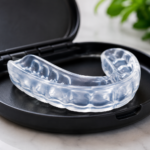
A professionally assessed mouth guard can be an important part of protecting teeth from the forces created by grinding and clenching. However, not every mouth guard is suitable for every person. The right approach depends on your teeth, bite, symptoms and overall oral health.
At Hastings Dental Centre in Port Macquarie, a dental assessment can help identify signs of grinding and determine whether a mouth guard or another treatment approach may be appropriate for you.
If you have noticed tooth wear, jaw discomfort, sensitivity, broken teeth or signs of grinding, contact Hastings Dental Centre to arrange an assessment.
Call (02) 6583 7211 or visit Hastings Dental Centre to enquire about an appointment.
What Is Teeth Grinding and Clenching?
Teeth grinding is when you repeatedly rub or grind your teeth together. Clenching involves holding your teeth tightly together without necessarily moving them.
Both can happen while you are awake or asleep.
When grinding or clenching happens frequently or with considerable force, it can place additional stress on your teeth, fillings, crowns and other dental work.
Over time, some people may develop:
- Flattened or worn-down teeth
- Small chips or fractures
- Tooth sensitivity
- Cracked teeth
- Tender jaw muscles
- Jaw stiffness
- Headaches
- Tooth or facial discomfort
- Damage to existing dental restorations
Importantly, not everyone who grinds their teeth will experience symptoms, and symptoms can have other causes. That’s why a dental examination is useful before deciding that grinding is responsible for a particular problem.
Why Do People Grind or Clench Their Teeth?
There isn’t always one single cause.
Teeth grinding and clenching can be associated with a range of factors, including:
Stress and emotional tension
Some people notice more clenching during periods of stress or concentration.
Sleep-related grinding
Grinding can occur during sleep, meaning you may be unaware that it is happening.
Bite and dental factors
Your dentist can assess your teeth, bite and existing restorations for signs that may be relevant to your symptoms.
Lifestyle factors
Sleep patterns, caffeine, alcohol and certain medications can sometimes be relevant to bruxism. Your dentist can discuss your individual circumstances and whether further assessment may be appropriate.
The important point is that a mouth guard protects the teeth, but it may not address every factor contributing to grinding or clenching.
7 Signs You May Be Grinding or Clenching Your Teeth
You don’t necessarily need to hear yourself grinding at night to have bruxism.
Watch for these signs.
1. Your teeth look flatter
Repeated pressure can contribute to tooth wear, making natural tooth edges appear flatter than they previously did.
2. You wake with jaw tightness
A tired, tight or uncomfortable jaw in the morning can be a reason to discuss possible nighttime clenching with your dentist.
3. Your teeth are becoming sensitive
Wear or cracks can expose areas of the tooth that are more sensitive to hot, cold or pressure.
4. You frequently chip teeth
Repeated forces can contribute to chips or fractures, although broken teeth can have several causes.
5. Your jaw feels tired
Your jaw muscles work throughout the day and, in some people, during sleep. Persistent muscle fatigue or discomfort deserves an assessment.
6. Someone hears you grinding
A partner or family member may notice grinding sounds while you’re asleep.
7. Your dentist notices unusual wear
Sometimes the first person to identify possible bruxism is your dentist during a routine examination.
Don’t wait until a tooth breaks before asking about it.
Can a Mouth Guard Stop Teeth Grinding?
This is one of the most important questions patients ask.
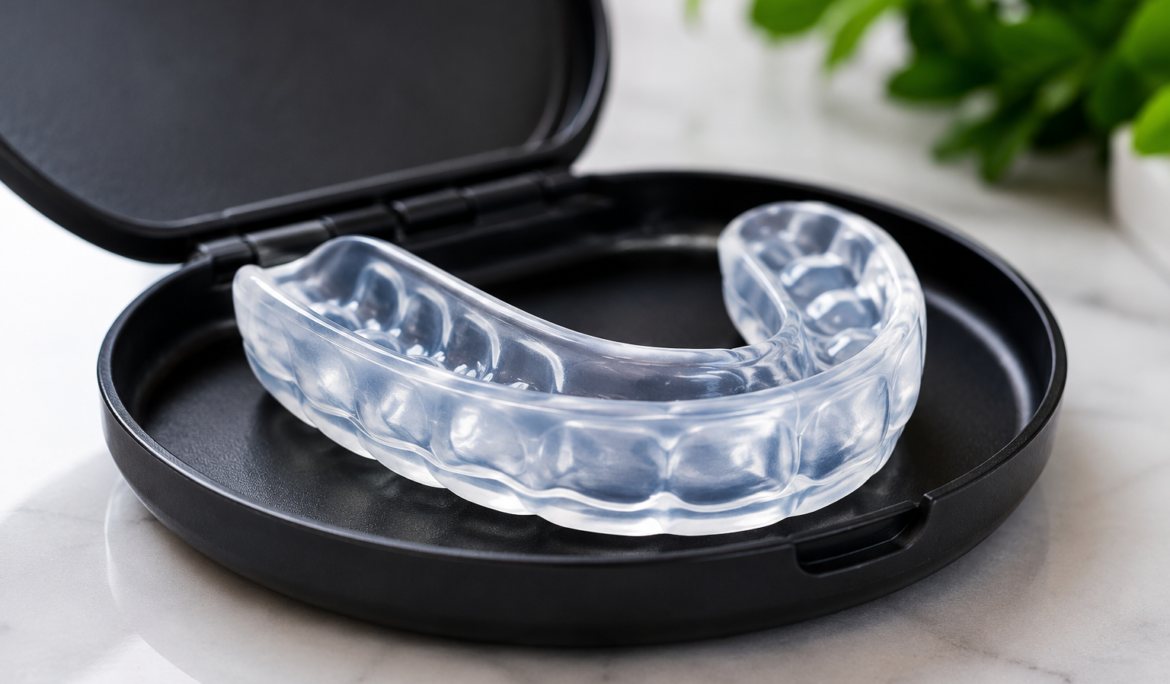
A mouth guard can provide a protective barrier between the upper and lower teeth, helping reduce direct tooth-to-tooth contact and protecting teeth from some of the effects of grinding.
However, it is important to understand that a mouth guard isn’t necessarily a cure for bruxism.
Your dentist may recommend a mouth guard as part of a broader approach based on your individual situation.
That may involve:
- Monitoring tooth wear
- Assessing your bite
- Treating damaged teeth
- Reviewing existing fillings or crowns
- Addressing jaw symptoms
- Discussing contributing lifestyle or sleep factors
- Considering whether further medical or dental assessment is appropriate
Custom Mouth Guard vs Store-Bought Mouth Guard
If you’ve searched for night guards for teeth grinding, you’ve probably seen inexpensive mouth guards available online, in pharmacies or in shops.
But there is an important difference between a generic product and a professionally assessed dental appliance.
Store-bought mouth guards
These are generally made to fit a broad range of mouths rather than your individual teeth.
They may:
- Feel bulky
- Move during sleep
- Feel uncomfortable
- Be difficult to keep in position
- Not suit your particular bite or dental situation
Custom dental mouth guards
A custom appliance is designed using information specific to your mouth.
Your dentist can assess:
- Your teeth
- Your bite
- Existing dental restorations
- Areas of tooth wear
- Your symptoms
- The amount and location of grinding-related damage
This allows the dentist to determine whether a custom appliance is appropriate and what type may best suit your needs.
For people experiencing significant grinding, clenching, tooth wear or dental problems, professional assessment is particularly important.
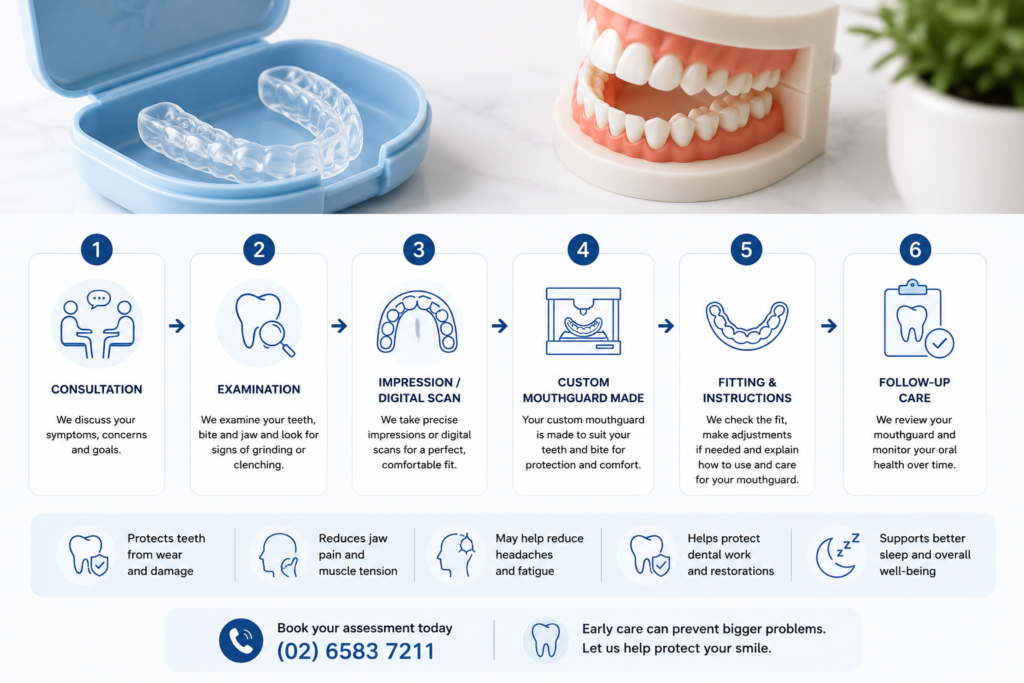
What Happens When You Get a Mouth Guard at the Dentist?
Many patients are concerned that getting a mouth guard will involve a complicated procedure.
Usually, the first step is simply an assessment.
Step 1: Dental examination
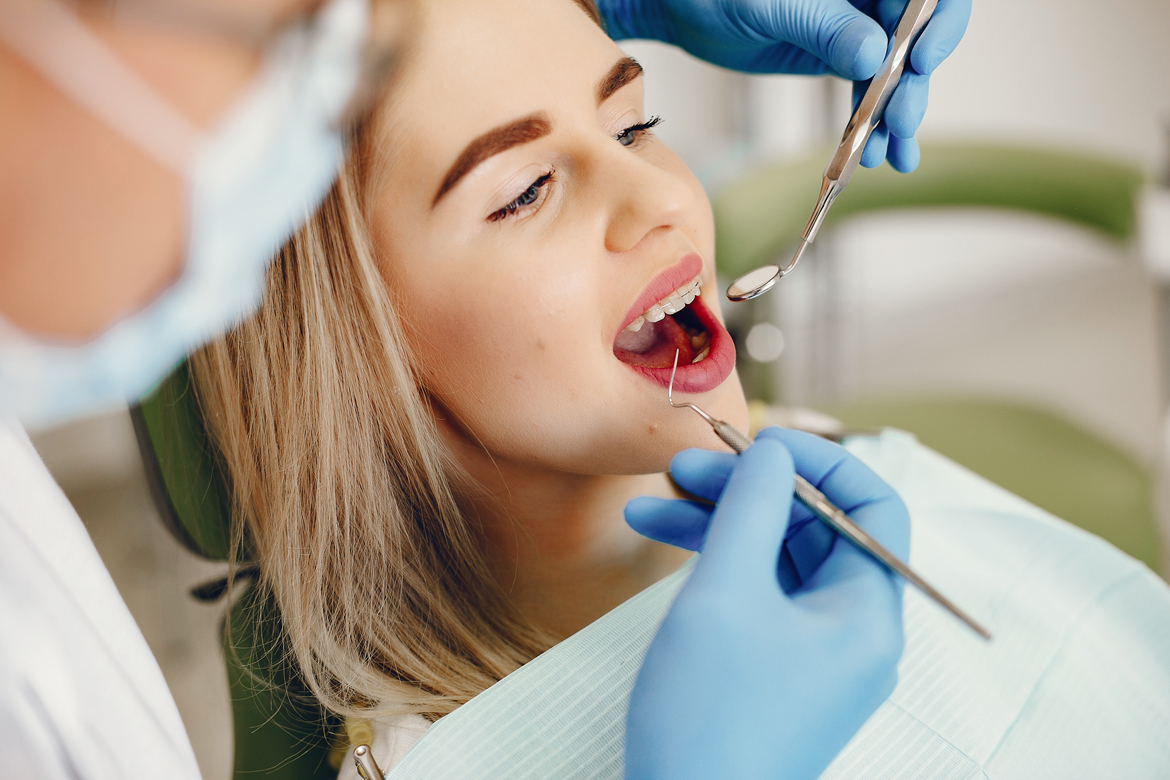
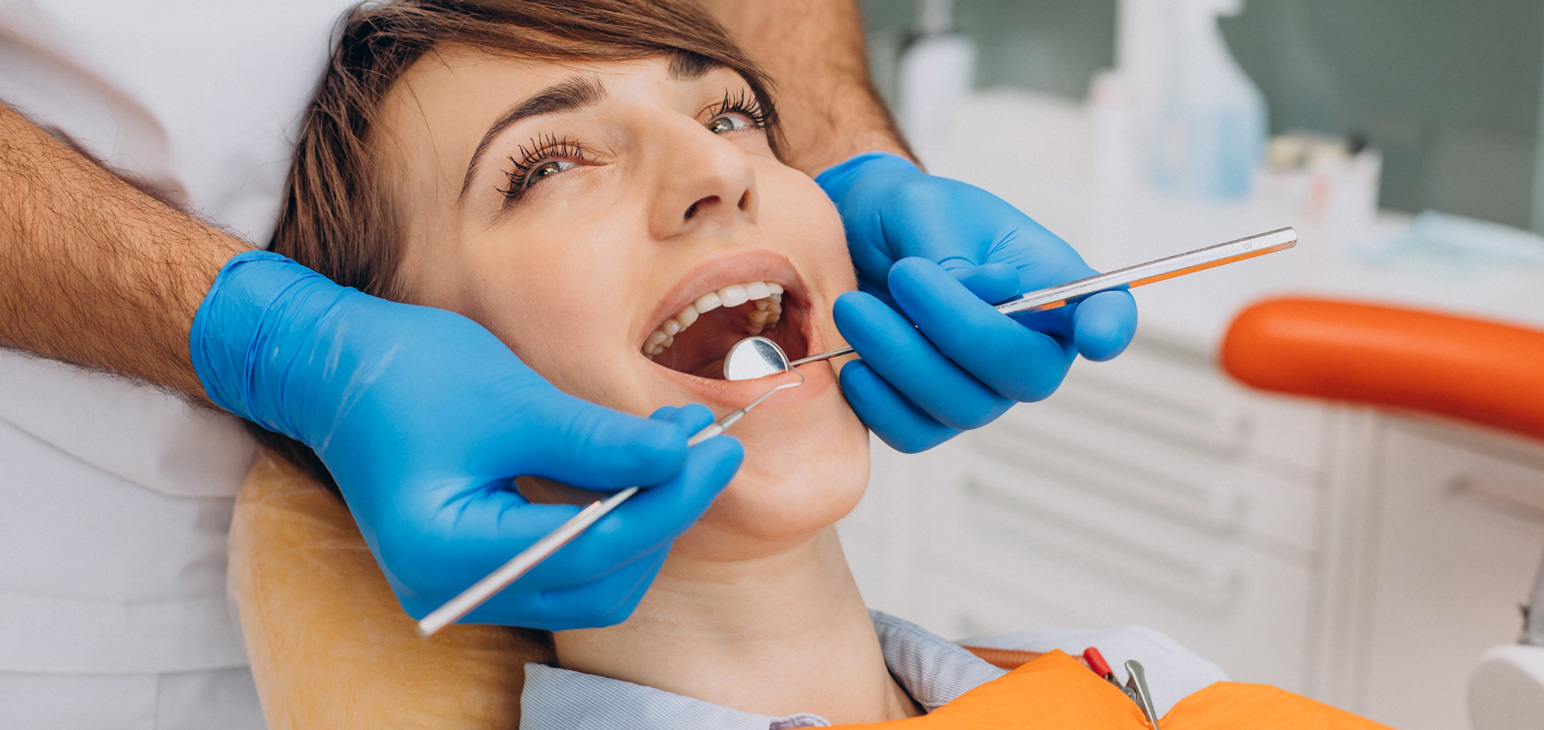
Your dentist examines your teeth, gums, bite and jaw and looks for signs that may be consistent with grinding or clenching.
Step 2: Discuss your symptoms
Tell your dentist about anything you’ve noticed, such as:
- Morning jaw tightness
- Tooth sensitivity
- Headaches
- Broken or chipped teeth
- Grinding sounds
- Jaw discomfort
- Changes in how your teeth meet
Step 3: Determine whether a mouth guard is appropriate
Not everyone requires the same appliance.
Your dentist can explain the options suitable for your circumstances.
Step 4: Appliance preparation
If a custom mouth guard is recommended, the necessary dental measurements or impressions/scans can be taken according to the clinic’s process.
Step 5: Fitting and instructions
Your dentist checks the appliance and explains how to wear, clean and store it.
Step 6: Follow-up
Your dentist may recommend follow-up to check comfort, fit, tooth wear and any ongoing symptoms.
How Much Does a Mouth Guard Cost?
The cost of a dental mouth guard can vary depending on the type of appliance required, the materials used, the laboratory process and your individual dental needs.
Rather than choosing an appliance based purely on price, consider whether it is appropriate for your teeth and grinding pattern.
At your appointment, ask:
“Which type of mouth guard is suitable for me, and what will the total cost be?”
The Hastings Dental Centre team can discuss the relevant treatment and costs with you following an assessment.
What Happens If You Ignore Teeth Grinding?
Mild, occasional clenching doesn’t necessarily lead to significant dental problems.
However, persistent or forceful grinding can contribute to progressive tooth wear and dental damage in some people.
Potential problems can include:
Tooth wear → sensitivity → chips → cracks → broken teeth → more extensive dental treatment
This isn’t inevitable, but it demonstrates why identifying excessive grinding early can be worthwhile.
A simple dental assessment may identify signs of wear before you notice a significant problem yourself.
Grinding Can Affect More Than Your Teeth
The effects aren’t necessarily limited to the teeth.
Repeated clenching can also be associated with discomfort in the muscles around the jaw.
Some people report:
- Jaw stiffness
- Facial muscle tenderness
- Difficulty relaxing the jaw
- Pain around the jaw
- Headaches
- Discomfort when chewing
If you experience persistent jaw pain or clicking, locking or restricted movement, tell your dentist.
Hastings Dental Centre also provides TMJ and jaw pain assessment and treatment, where appropriate.
What About Cracked or Broken Teeth?
If you grind your teeth and suddenly notice a chipped or cracked tooth, don’t simply place your mouth guard in and ignore the problem.
A damaged tooth may require examination.
Depending on the problem, treatment may involve restorative dentistry such as a filling, crown or another appropriate treatment.
You can learn more about cracked tooth treatment in Port Macquarie through the Hastings Dental Centre website.
This is also an important reason to have your mouth guard assessed professionally: the appliance should form part of an overall dental care plan rather than being viewed as a standalone solution.
Can Teeth Grinding Damage Dental Work?
It can place additional forces on dental restorations.
If you have:
tell your dentist if you grind or clench your teeth.
Your existing dental work is an important consideration when your dentist assesses your mouth and discusses protective options.
For patients with missing teeth or damaged teeth, protecting remaining natural teeth and maintaining existing dental work can also be part of long-term oral health management.
8 Ways to Reduce the Impact of Teeth Grinding
A mouth guard may be appropriate for some patients, but your dentist may also discuss strategies that can help manage contributing factors.
1. Have your teeth examined
Early signs of wear can be easier to identify during a dental examination.
2. Pay attention to daytime clenching
Notice whether you’re holding your teeth together when working, driving or concentrating.
3. Review your sleep
If grinding happens during sleep, discussing your sleep quality and any relevant symptoms with your healthcare professionals may be worthwhile.
4. Manage stress
Stress management strategies may help some people reduce daytime tension and clenching.
5. Don’t ignore jaw symptoms
Persistent pain, stiffness, locking or restricted movement should be assessed.
6. Protect damaged teeth
If your teeth have already suffered wear or fractures, ask your dentist about appropriate restorative and protective options.
7. Keep regular dental appointments
Routine examinations allow your dentist to monitor changes in tooth wear and oral health.
8. Don’t automatically buy the cheapest night guard
An appliance that doesn’t suit your mouth may not be the right solution for your particular dental needs.
Is a Mouth Guard Right for You?
You may benefit from discussing a mouth guard with a dentist if you:
- Grind your teeth at night
- Frequently clench your jaw
- Wake with jaw discomfort
- Have noticeable tooth wear
- Have chipped teeth
- Have recurring cracked teeth
- Experience unexplained tooth sensitivity
- Have dental restorations that need protection
- Have been told you grind your teeth while sleeping
But the best answer depends on your individual dental examination.
Don’t Wait Until Grinding Causes a Bigger Dental Problem
Grinding and clenching can be easy to ignore because the damage may develop gradually.
A few minutes spent checking your teeth and discussing your symptoms with a dentist could help identify whether you are showing signs of excessive wear and whether a mouth guard is appropriate.
If you’re experiencing teeth grinding, clenching, jaw discomfort, tooth wear or recurring chips and cracks, Hastings Dental Centre can assess your oral health and discuss suitable treatment options.
Book a Mouth Guard Assessment in Port Macquarie
Hastings Dental Centre
1/62 William Street, Port Macquarie NSW 2444
Phone: (02) 6583 7211
Email: info@hastingsdentalcentre.com.au
Opening hours:
Monday–Thursday: 8:00 am–5:00 pm
Friday: 8:00 am–1:00 pm
Saturday: By appointment
Call the Hastings Dental Centre team on (02) 6583 7211 to ask about a mouth guard assessment.
Book or enquire with Hastings Dental Centre
Frequently Asked Questions
What is the best mouth guard for teeth grinding?
The most appropriate mouth guard depends on your teeth, bite, symptoms, dental restorations and grinding pattern. A dentist can assess these factors before recommending an appliance.
Should I wear a mouth guard every night?
If your dentist recommends a mouth guard for nighttime grinding, they will explain when and how to wear it. Follow the instructions provided for your specific appliance.
Can a mouth guard fix bruxism?
A mouth guard can protect the teeth from direct contact and reduce some of the effects of grinding, but it does not necessarily eliminate the underlying cause of bruxism.
Is a cheap mouth guard worth buying?
Generic mouth guards may not fit your teeth or bite as well as a professionally made appliance. If you have significant grinding, tooth wear, jaw symptoms or dental restorations, professional assessment is advisable.
Can teeth grinding cause cracked teeth?
Repeated heavy forces can contribute to tooth damage, including chips or cracks. However, cracked teeth have multiple possible causes and should be assessed by a dentist.
Can teeth grinding cause jaw pain?
Clenching and grinding can contribute to jaw muscle discomfort in some people. Persistent jaw pain, locking or restricted movement should be assessed.
Can children grind their teeth?
Yes. Teeth grinding can occur in children as well as adults. If you notice frequent grinding, tooth wear or jaw symptoms in your child, discuss it with their dentist.
How long does a dental mouth guard last?
The lifespan varies according to the appliance, material, frequency of use and amount of grinding. Your dentist can check the appliance during routine appointments and advise when replacement may be appropriate.