





Have you started noticing that an old filling hurts when you bite, feels sensitive to cold drinks, or simply does not feel the way it used to?
It is easy to assume that an old dental filling should be replaced after a certain number of years. In reality, there is no single time limit that applies to every filling. Fillings can become chipped, worn or damaged over time, and problems can also develop around the tooth. Your dentist needs to assess the filling and the tooth before deciding whether replacement is appropriate.
For patients in Port Macquarie, a dental check-up can help identify whether a filling is still doing its job or whether the tooth needs further attention.
Why can an old filling start hurting?
A filling is used to repair a tooth affected by decay or damage. While fillings can work well for many years, they are not indestructible.
Over time, a filling can become worn, chipped or cracked. Small changes can also occur around the edges of the filling, allowing food and bacteria to become trapped. In some cases, new decay can develop around the restoration.
Pain does not always mean the filling itself has failed. The tooth underneath may have developed another problem, such as decay, a crack or irritation of the inner part of the tooth.
That is why it is worth having persistent or new pain checked rather than simply assuming you need another filling.
Is Your Old Filling Hurting?
A filling that has started to hurt, feel sensitive or catch food should not be ignored. The cause may be simple, but an examination can help identify whether the filling, tooth or surrounding area needs attention.
Book an appointment with Hastings Dental Centre in Port Macquarie to have your old filling and tooth assessed.
📍 1/62 William Street, Port Macquarie NSW 2444
Our friendly team can help you understand what is happening and discuss the appropriate treatment options for your tooth.
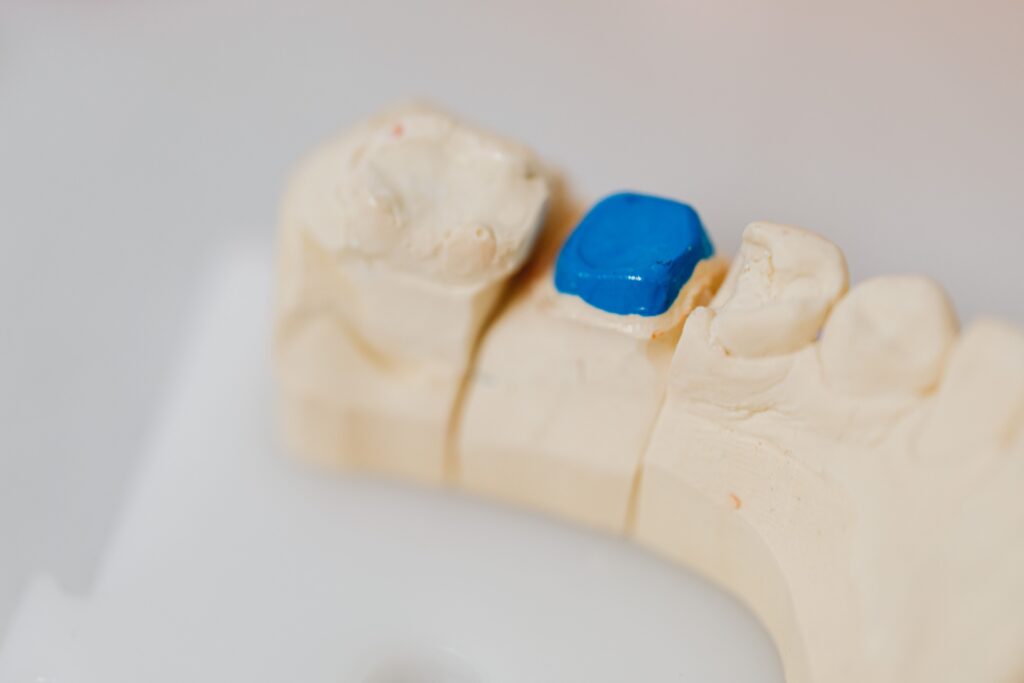
Signs your old filling may need attention
1. Your old filling hurts when you bite
Pain when biting is one of the symptoms patients often notice first.
It may be related to a problem with the filling, the tooth structure around it, or the tissues inside the tooth. Pain when biting can also occur with some dental infections.
If biting on a particular tooth suddenly feels uncomfortable, arrange a dental examination rather than continuing to chew on that side and hoping the problem settles.
2. You notice sensitivity to hot or cold
An older filling may become associated with sensitivity to hot or cold foods and drinks.
Some sensitivity can occur for a short period after a new filling, but Healthdirect recommends returning to your dental professional if sensitivity continues for more than a few days after treatment.
When an old filling becomes sensitive years after it was placed, your dentist may need to check whether the filling has changed, whether there is new decay, or whether another issue is affecting the tooth.
3. Food keeps getting stuck around the filling
Do you constantly find food caught between the same tooth and the neighbouring tooth?
This can sometimes happen when the shape or edge of an existing restoration has changed. It may also be related to the contact between the teeth or gum health.
Food trapping is worth mentioning during your appointment, particularly if the area has become difficult to clean.
4. The filling is chipped, cracked or broken
Fillings can become chipped or worn over time.
You may notice a rough patch with your tongue, a sharp edge, or a small piece of filling that has broken away.
Do not automatically assume that the entire filling needs to be removed. Depending on what your dentist finds, different options may be considered.
5. Your tooth feels rough or different
Sometimes there is no obvious pain.
You may simply notice that a tooth feels different when you run your tongue over it, brush your teeth or bite down.
A change in texture can be caused by wear, a chipped restoration, tooth damage or another issue. Regular dental examinations make it easier to identify changes before they become more complicated.
6. You have toothache that keeps coming back
A tooth that hurts for a few hours and then seems fine can be easy to ignore.
However, recurring tooth pain deserves attention. Toothache can have several causes, including decay, cracks, infection or problems affecting the inner part of the tooth.
Healthdirect recommends seeing a dentist when toothache or gum swelling lasts for more than two days, does not improve with pain relief, or occurs with symptoms such as pain when biting, fever, swelling or a bad taste in the mouth.
Does every old filling need to be replaced?
No.
An old filling may still be functioning well and may not need replacement simply because it is several years old.
Healthdirect notes that existing amalgam fillings generally do not need to be replaced unless there is a specific reason to do so. More broadly, your dentist can assess whether an older restoration is intact, worn, chipped or associated with another dental problem.
The decision should be based on the condition of the filling and the tooth, not simply its age.
This is important because replacing a filling involves working on the tooth again. Your dentist will consider the amount of healthy tooth structure remaining, the condition of the existing restoration and whether there is decay or damage.
What happens when you see a dentist about an old filling?
Your appointment will usually start with questions about what you have noticed.
Your dentist may ask:
- When did the pain start?
- Does it hurt when you bite?
- Is it sensitive to hot or cold?
- Does the pain come and go?
- Have you noticed swelling or a bad taste?
- Has the filling chipped or fallen out?
Your dentist will then examine the tooth and surrounding area.
Depending on the symptoms and what is found during the examination, dental X-rays may be recommended to check areas that cannot be seen directly. X-rays can help identify problems inside or around a tooth.
The goal is to find out what is causing the problem before deciding on treatment.
What are the treatment options for a failed filling?
Treatment depends on what is happening with the tooth.
A new filling
If the existing filling has failed and the tooth can be restored with a filling, your dentist may recommend removing the damaged material and placing a new restoration.
Repairing part of the restoration
In some situations, only a specific area may need attention rather than replacing everything. Your dentist can explain whether repair is appropriate for your tooth.
A larger restoration
If there is significant damage or a large amount of tooth structure has been affected, another type of restoration may be considered.
Root canal treatment
If decay, a crack or repeated dental work has affected the pulp inside the tooth, root canal treatment may be recommended. Healthdirect notes that root canal treatment can be used when the pulp is affected by decay, injury, cracks or repeated dental work.
Tooth removal
In some severely damaged or infected teeth, removal may be considered. The appropriate option depends on the condition of the tooth and the surrounding structures.
What if the filling has fallen out?
A filling that has fallen out should not simply be ignored.
The exposed tooth may become sensitive, and the underlying tooth may need assessment. Try to keep the area clean and avoid putting unnecessary pressure on the tooth until you can see your dentist.
If you have significant pain, swelling, fever, a bad taste or difficulty swallowing, seek prompt dental or medical care. These can be signs of infection that require urgent assessment.
Can you prevent problems with older fillings?
You cannot guarantee how long a filling will last, but good daily oral care and regular dental check-ups can help identify problems earlier.
Brush twice a day with fluoride toothpaste, clean between your teeth every day, and follow the dental advice given for your individual needs.
Regular examinations are particularly useful when you have several older restorations. Your dentist can monitor changes over time and discuss concerns before they become urgent.
When should you book a dental appointment?
Book an appointment if:
- Your old filling hurts when you bite
- You have new sensitivity around an older filling
- The filling looks cracked, chipped or damaged
- Your toothache keeps returning
- Food repeatedly gets trapped around the tooth
- A filling has fallen out
- You have swelling around the tooth or gum
- You notice a bad taste or other changes in the area
A dental problem does not always become severe straight away. Getting the tooth checked can help determine what is actually causing the symptoms and what treatment, if any, is appropriate.
Old filling hurts? Get it checked in Port Macquarie
If you have an old filling that has started hurting, you do not necessarily need a replacement. The important first step is finding out why the tooth has changed.
At Hastings Dental Centre, our team can assess teeth with older fillings, investigate pain or sensitivity, and discuss suitable treatment options based on the condition of your tooth.
Our Port Macquarie dental clinic provides general and preventive dental care for individuals and families.
Book a dental appointment at Hastings Dental Centre in Port Macquarie if an old filling is causing discomfort or you have noticed a change in the tooth.
Call (02) 6583 7211 or contact the Hastings Dental Centre team to arrange an appointment.
Frequently Asked Questions
How do I know if my old filling needs replacing?
An old filling may need attention if it is chipped, cracked, worn, loose, associated with pain or sensitivity, or if decay has developed around it. Your dentist needs to examine the filling and tooth before recommending replacement.
Why does my old filling hurt when I bite?
Pain when biting can have several causes, including problems with the restoration, decay, a crack or an infection. An examination is needed to identify the cause.
How long should a dental filling last?
There is no single lifespan that applies to every filling. Different filling materials and individual factors can affect how long a restoration remains functional. Fillings can become chipped or worn over time.
Can an old filling be repaired instead of replaced?
Sometimes. The appropriate approach depends on the size and location of the problem and the condition of the remaining tooth. Your dentist can explain whether repair, replacement or another treatment is suitable.
Is sensitivity from an old filling normal?
New sensitivity after a filling can occur for a short time. If sensitivity continues for more than a few days after treatment, Healthdirect recommends returning to your dental professional. Sensitivity developing around an older filling should also be assessed if it is new or persistent.
What happens if I ignore a painful old filling?
The cause of the pain may continue or worsen. Depending on the underlying problem, untreated dental issues can progress to infection or damage to the tooth. Toothache accompanied by swelling, fever, a bad taste or pain when biting should be assessed promptly.
Can an old filling cause tooth decay?
Problems can develop around an existing filling, and a restoration can become worn or damaged over time. Your dentist can check the margins of the filling and the surrounding tooth for signs of decay or other changes.
Should I see a dentist if my filling does not hurt?
Yes. A filling can change without causing obvious pain. Regular dental examinations allow your dentist to monitor existing restorations and identify changes that may not be noticeable at home.
Old Filling Hurting?
Don’t wait for tooth pain to become a bigger problem. If your old filling hurts when biting, feels sensitive or has chipped or fallen out, arrange a dental assessment.
Book your appointment with Hastings Dental Centre in Port Macquarie.