



Many people assume that if they experience pain around a root canal tooth, the treatment has failed. While this can happen in some cases, it is not always the reason for ongoing discomfort. A tooth that has undergone root canal treatment can remain healthy for many years, yet the surrounding gums and supporting bone are still susceptible to infection and disease.
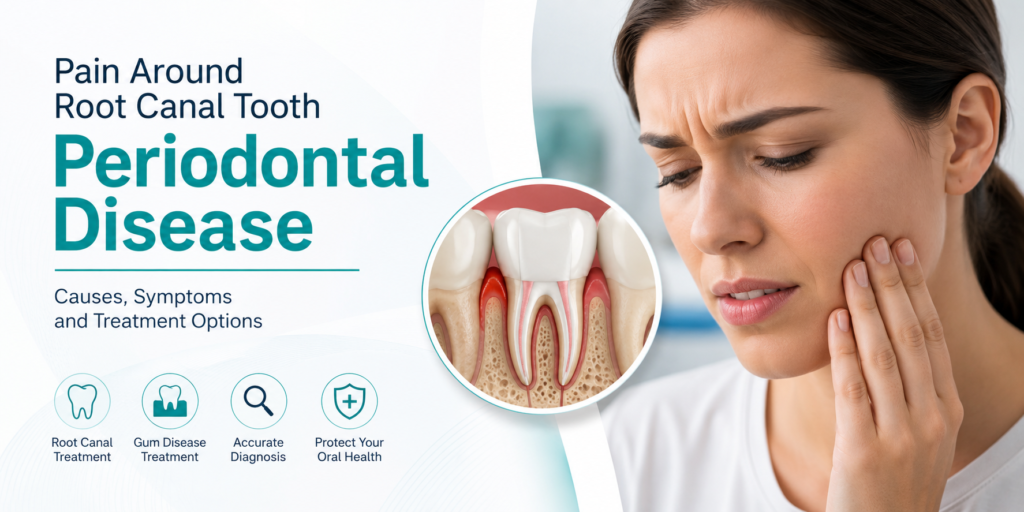
One of the most commonly overlooked causes of pain around a root canal tooth is periodontal disease. Also known as gum disease, this condition affects the tissues and bone that support your teeth rather than the tooth’s internal pulp. Even when a root canal has been completed successfully, bacteria can still accumulate beneath the gum line, causing inflammation, bone loss and discomfort around the treated tooth.
Because several dental conditions can produce similar symptoms, it’s important not to assume the cause without a professional examination. Persistent pain, swollen gums or tenderness when biting may indicate periodontal disease, a recurrent infection, a cracked tooth or another underlying issue. At Hastings Dental Centre in Port Macquarie, a thorough assessment helps identify the exact cause so the most appropriate treatment can be recommended.
Whether you live in Port Macquarie, Wauchope, Lake Cathie, Bonny Hills, Laurieton, Kempsey or surrounding Mid North Coast communities, seeking early dental care can often prevent more complex problems and improve the long-term health of your teeth and gums.
Can You Feel Pain Around a Root Canal Tooth?
Yes. Although a root canal removes the infected pulp and nerve tissue from inside the tooth, it does not remove every structure capable of producing pain. The tooth continues to be supported by ligaments, bone and gum tissue, all of which contain nerves that can become inflamed or infected.
Many patients are surprised when a root canal-treated tooth becomes uncomfortable months or even years after treatment. However, the discomfort is often originating from the surrounding tissues rather than the tooth itself.
Why Can a Root Canal-Treated Tooth Still Hurt?
Several conditions may cause discomfort around a root canal-treated tooth, including:
- Periodontal (gum) disease affecting the supporting tissues.
- A recurrent infection around the root tip.
- A cracked tooth or vertical root fracture.
- Excessive biting pressure from a high filling or dental crown.
- Teeth grinding (bruxism) placing stress on the supporting ligament.
- An infection affecting a neighbouring tooth.
The location and type of pain provide valuable clues, but they are rarely enough to identify the exact cause without a professional examination.
Tooth Pain vs Gum Pain
Understanding where the discomfort originates can help explain why treatment differs.
Pain from the tooth itself is often felt when biting, chewing or applying pressure directly to the tooth. It may be associated with infection around the root tip or structural damage such as a crack.
Pain caused by the gums is usually accompanied by swelling, bleeding, tenderness when brushing, persistent bad breath or soreness around the base of the tooth. This type of discomfort commonly develops when periodontal disease affects the supporting tissues.
Because these symptoms frequently overlap, dental X-rays and periodontal examinations are often required to determine the true source of the problem.
The Supporting Tissues Still Contain Nerves
Although the nerve inside the tooth has been removed during root canal treatment, the periodontal ligament, jawbone and surrounding gums remain rich in nerve endings. When these tissues become inflamed, infected or placed under excessive pressure, they can produce pain that feels very similar to toothache.
For this reason, discomfort around a root canal-treated tooth should never be ignored. Early diagnosis can often preserve the tooth and prevent infection from spreading to the surrounding bone.
What Is Periodontal Disease?
Periodontal disease is a bacterial infection that affects the gums and the bone supporting your teeth. It is one of the leading causes of tooth loss in adults and can develop around both natural teeth and those that have received root canal treatment.
Unlike decay, which damages the tooth itself, periodontal disease attacks the tissues responsible for keeping the tooth securely anchored in the jaw.
Gingivitis vs Periodontitis
Periodontal disease usually develops in two stages.
Gingivitis is the earliest stage and affects only the gums. You may notice redness, swelling and bleeding when brushing or flossing. At this stage, the damage is generally reversible with professional cleaning and improved oral hygiene.
If left untreated, gingivitis can progress to periodontitis. This more advanced stage affects the supporting bone and periodontal ligament. As infection progresses, gum pockets deepen, bone gradually disappears and teeth may become loose or painful.
How Bacteria Affect the Gums and Bone?
Your mouth naturally contains bacteria. When plaque is not removed effectively through daily brushing, flossing and regular professional cleans, it hardens into tartar. Harmful bacteria then accumulate beneath the gum line, triggering the body’s immune response.
Over time, this chronic inflammation damages the soft tissues and supporting bone around the teeth. As bone loss continues, the tooth loses stability, increasing the risk of discomfort, mobility and eventual tooth loss if treatment is delayed.
Why Can Periodontal Disease Develop Around a Root Canal-Treated Tooth?
A successful root canal treats infection inside the tooth but does not protect the surrounding gums from future disease.
If plaque and bacteria accumulate around the gum line, periodontal disease can still develop around the treated tooth. Because the tooth no longer contains a living nerve, some people mistakenly assume it cannot develop problems again. In reality, the supporting tissues remain vulnerable throughout the life of the tooth.
Regular dental examinations and professional cleans are essential for maintaining both the root canal treatment and the health of the surrounding gums.
Why Does Periodontal Disease Cause Pain Around a Root Canal Tooth?
When periodontal disease develops around a root canal-treated tooth, the infection affects the tissues responsible for supporting the tooth rather than its internal nerve. As inflammation spreads through the gums, periodontal ligament and surrounding bone, pain may occur even though the root canal itself remains successful.
Infection Beneath the Gum Line
As bacteria collect beneath the gums, they trigger inflammation and infection around the tooth. This infection creates tenderness, swelling and discomfort, particularly when chewing or brushing.
Bone Loss Around the Root
Advanced periodontal disease gradually destroys the jawbone supporting the tooth. As this support weakens, the tooth may feel sore when pressure is applied and can even begin to loosen.
Inflammation of the Periodontal Ligament
The periodontal ligament acts as a cushion between the tooth and the surrounding bone. When it becomes inflamed due to bacterial infection, even gentle biting forces may cause noticeable pain.
Gum Pockets Trap More Bacteria
As periodontal disease progresses, the gums pull away from the tooth, creating deeper pockets that are difficult to clean at home. These pockets provide an ideal environment for harmful bacteria to multiply, allowing infection to continue unless professionally treated.
Swelling and Pressure Around the Tooth
Inflammation increases pressure within the surrounding tissues, often producing pain that feels remarkably similar to a toothache. Patients frequently assume the root canal has failed when the true source of discomfort is actually the infected gums and supporting bone.
Fortunately, with early diagnosis and appropriate periodontal treatment, many patients can successfully manage the infection, relieve pain and preserve their natural tooth for years to come.
Treatment Options for Pain Around a Root Canal
The most effective treatment depends entirely on the underlying cause of your pain. While some patients require periodontal care, others may benefit from root canal retreatment, restoration of the tooth or treatment for a crack. A comprehensive examination allows your dentist to develop a personalised treatment plan that addresses the source of the problem rather than simply relieving the symptoms.
If It’s Periodontal Disease
When gum disease is responsible for the discomfort, the primary goal is to eliminate bacteria and stop further damage to the supporting tissues.
Professional Scale and Clean
In the early stages of gum disease, a professional scale and clean removes plaque and hardened calculus from above and below the gum line. This reduces inflammation and allows the gums to heal more effectively.
Scaling and Root Planing
If periodontal disease has progressed beyond gingivitis, your dentist may recommend scaling and root planing. This deep cleaning procedure removes bacteria from beneath the gums and smooths the root surfaces, making it more difficult for plaque to accumulate again.
As part of your Gum Disease Treatment, your dentist will determine whether this procedure is appropriate based on the severity of the infection.
Periodontal Maintenance
Following treatment, regular periodontal maintenance appointments are essential. These ongoing visits help control bacterial build-up, monitor healing and reduce the risk of future infection around both natural teeth and root canal-treated teeth.
Oral Hygiene Instruction
Successful periodontal treatment relies heavily on effective home care. Your dental team will provide personalised advice on brushing techniques, cleaning between your teeth and selecting oral hygiene products suited to your individual needs.
If It’s Root Canal Failure
Although root canal treatment has an excellent long-term success rate, some teeth may require further treatment if infection returns.
Root Canal Retreatment
Retreatment involves reopening the tooth, removing the previous filling material, disinfecting the canals and sealing them again. This procedure may eliminate bacteria that were missed or have re-entered the tooth over time.
Your dentist will discuss whether additional Root Canal Treatment offers the best opportunity to preserve your natural tooth.
Apicoectomy
If conventional retreatment is unlikely to resolve the problem, an apicoectomy may be recommended. During this minor surgical procedure, the infected tissue surrounding the tip of the root is removed, and the end of the root is sealed to prevent further infection.
Tooth Restoration
Once the infection has been successfully treated, replacing or repairing damaged crowns or fillings may be necessary to restore strength, function and long-term protection for the tooth.
If It’s a Cracked Tooth
Treatment depends on the location and severity of the crack.
Dental Crown
If the crack is confined to the visible portion of the tooth, placing a dental crown may protect the remaining structure and prevent the damage from worsening.
Tooth Extraction (When Necessary)
Unfortunately, some vertical root fractures extend deep below the gum line and cannot be predictably repaired. In these situations, extraction may be the most appropriate option to prevent ongoing infection and discomfort.
If a tooth cannot be saved, your dentist can discuss suitable Missing Tooth Replacement options to restore your smile and maintain proper chewing function.
Can Periodontal Disease Affect the Success of a Root Canal?
Yes. Even when root canal treatment is technically successful, the long-term health of the tooth depends on the condition of the surrounding gums and supporting bone.
Healthy Supporting Bone Is Essential
Root canal treatment removes infection from inside the tooth, but it cannot restore bone that has been lost through periodontal disease. Healthy bone provides the stability needed to keep the tooth functioning comfortably for many years.
If periodontal disease progresses unchecked, the supporting structures may weaken to the point where the tooth becomes loose, despite the root canal itself remaining successful.
Ongoing Gum Maintenance
Regular periodontal maintenance significantly reduces the risk of bacteria re-establishing beneath the gums. Patients with a history of gum disease often benefit from more frequent professional cleans to keep inflammation under control.
Regular Dental Reviews
Routine Oral Health Assessments allow your dentist to monitor both the root canal-treated tooth and the surrounding tissues. Early detection of changes often means treatment can begin before significant damage occurs.
Good Home Oral Hygiene
Maintaining excellent oral hygiene remains one of the most effective ways to protect both your gums and your root canal-treated tooth.
Simple daily habits such as thorough brushing, cleaning between your teeth and attending regular dental appointments all contribute to long-term oral health.
When Should You See a Dentist Immediately?
Some symptoms indicate that prompt dental treatment is required. Delaying care may allow infection to spread and increase the risk of complications.
Arrange an appointment as soon as possible if you experience:
- Facial swelling.
- Severe or worsening tooth pain.
- Fever associated with dental pain.
- Difficulty chewing because of discomfort.
- A gum abscess or pimple-like swelling.
- A tooth that feels loose.
- Persistent pain lasting several days after a root canal or appearing months or years later.
Seeking treatment early often makes management simpler and increases the likelihood of preserving your natural tooth.
Preventing Future Problems After Root Canal Treatment
Although not every dental problem can be prevented, adopting good oral health habits greatly reduces the risk of future complications.
To help protect your root canal-treated tooth:
- Brush your teeth thoroughly twice each day using fluoride toothpaste.
- Clean between your teeth daily with floss or interdental brushes.
- Attend regular professional cleans to remove plaque and calculus.
- Wear a custom night guard if you grind or clench your teeth while sleeping as part of your TMJ & Jaw Pain Treatment plan.
- Never ignore bleeding gums, swelling or persistent bad breath, as these may be early signs of periodontal disease.
- Schedule routine Oral Health Assessments so potential problems can be detected before they become more serious.
Preventive dentistry remains one of the most effective ways to protect your smile and reduce the need for more complex treatment in the future.
Why Patients Across Port Macquarie Trust Hastings Dental Centre
When you’re experiencing pain around a root canal-treated tooth, receiving an accurate diagnosis is just as important as relieving the discomfort. At Hastings Dental Centre, every patient receives a comprehensive assessment designed to identify the underlying cause of their symptoms before treatment begins.
Our experienced team combines gentle, patient-focused care with modern diagnostic technology, including digital imaging, to evaluate root canal-treated teeth, periodontal health and surrounding bone structures. Whether your symptoms are caused by gum disease, a recurrent infection, a cracked tooth or another dental condition, we develop personalised treatment plans tailored to your individual needs.
Patients trust Hastings Dental Centre for a wide range of services, including Root Canal Treatment, Gum Disease Treatment, Cracked Tooth Treatment, preventive dentistry and comprehensive Oral Health Assessments. Our focus is always on preserving your natural teeth wherever possible while helping you maintain long-term oral health.
Conveniently located in Port Macquarie, we proudly care for patients from throughout the Mid North Coast, including Lake Cathie, Wauchope, Bonny Hills, Laurieton, Kempsey, Camden Haven, Telegraph Point and surrounding communities.
If you’re experiencing persistent pain around a root canal-treated tooth, don’t wait for the problem to worsen. An early assessment can identify the cause, relieve discomfort and help protect your smile for years to come.
Speak With the Team at Hastings Dental Centre in Port Macquarie
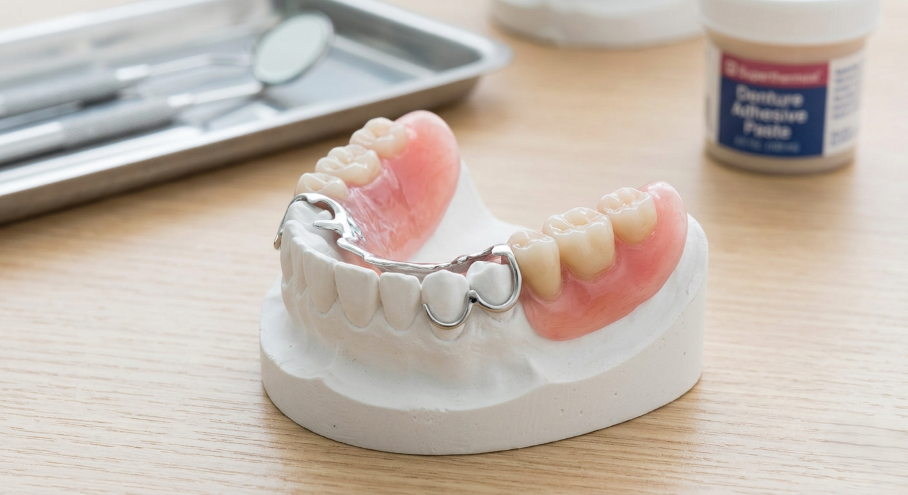
If you are missing one or more teeth and wondering whether a partial denture is right for you, the caring team at Hastings Dental Centre in Port Macquarie NSW is here to help. We take the time to understand your individual needs and walk you through every option available so you can make a confident, informed decision about your dental health.
Whether you are after affordable dentures in Port Macquarie, a second opinion on tooth replacement, or simply a friendly and experienced dental team you can trust, we are ready to help.
📞 Call us today to book your consultation and take the first step towards a complete and comfortable smile.
(02) 6583 7211 | info@hastingsdentalcentre.com.au
Mon–Thu 8am–5pm | Fri 8am–1pm | Sat by appointment