


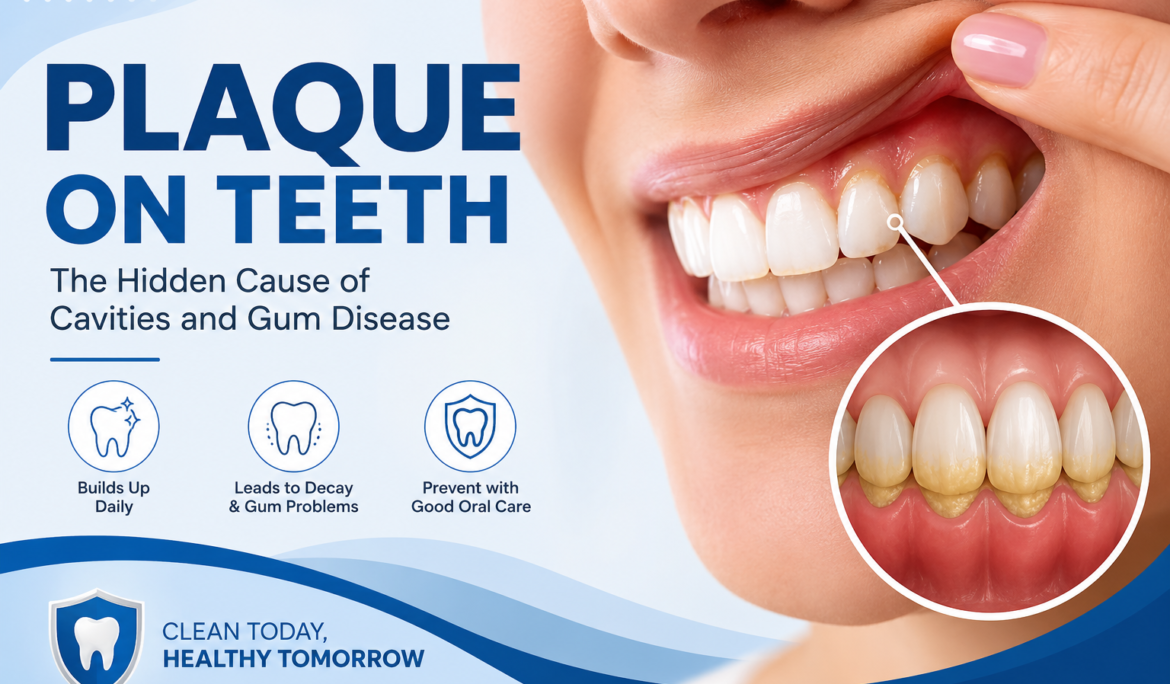
If you have ever run your tongue over your teeth at the end of the day and felt a fuzzy or gritty film, you have felt plaque. It is one of the most common dental issues we see at Hastings Dental Centre, and it is also one of the most misunderstood. Many patients across Port Macquarie and the wider Mid North Coast assume plaque is simply “leftover food,” but it is actually a living, growing layer of bacteria that forms on your teeth every single day, whether you eat or not.
Understanding what plaque is, why it forms, and how it can silently damage your smile is the first step toward protecting your teeth for the long term. In this guide, our Port Macquarie dental team explains the causes of plaque, the risks of ignoring it, and the most effective ways to remove it and keep it from coming back.
What Exactly Is Plaque?
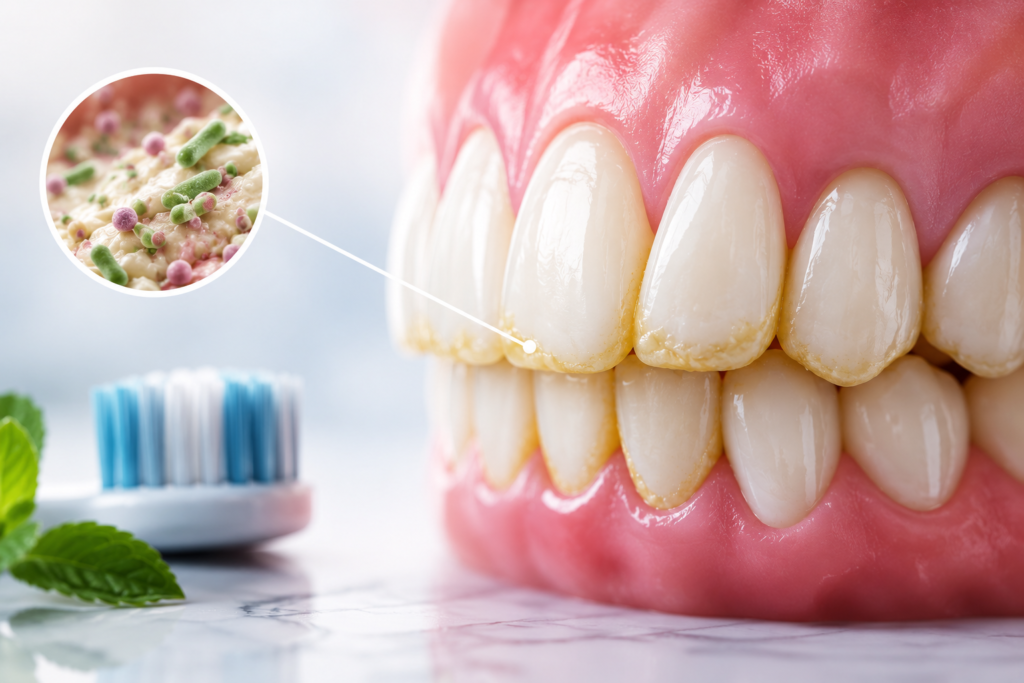
Plaque is a soft, sticky, colourless-to-pale-yellow film made up of bacteria, saliva, and food particles. It forms continuously on the surface of your teeth, along the gumline, and in the small gaps between teeth. Within hours of brushing, bacteria in your mouth begin multiplying and forming this biofilm again, which is why twice-daily brushing is a baseline, not a luxury.
Left undisturbed, plaque does not just sit quietly. The bacteria within it feed on sugars and starches from the food and drink you consume, producing acids as a by-product. These acids are what attack your tooth enamel and irritate your gums, setting the stage for a range of dental problems.
What Causes Plaque to Build Up on Teeth?
Plaque forms in every mouth, but several everyday habits and conditions accelerate its build-up:
1. Infrequent or ineffective brushing and flossing Skipping brushing, rushing through it, or missing the areas between teeth and along the gumline allows plaque to accumulate undisturbed and harden over time.
2. A diet high in sugar and refined carbohydrates Lollies, soft drinks, pastries, and even seemingly healthy items like fruit juice feed the bacteria in plaque, accelerating acid production and plaque growth.
3. Dry mouth Saliva helps wash away food particles and neutralise acids. Reduced saliva flow, caused by certain medications, dehydration, mouth breathing, or some medical conditions, allows plaque to build up faster.
4. Smoking and tobacco use Tobacco products dry out the mouth and are strongly linked to increased plaque and tartar formation, as well as gum disease.
5. Crowded or misaligned teeth Overlapping teeth create hard-to-reach areas where plaque can hide from your toothbrush and bristles cannot easily access.
6. Irregular dental check-ups Even with excellent home care, some plaque hardens into tartar (also called calculus), which can only be removed by a dental professional using specialised instruments.
7. Age and saliva changes As we age, saliva production can naturally decrease, and existing dental work such as crowns, bridges, or fillings can create new surfaces where plaque likes to gather.
Why Plaque Removal Matters: The Risks of Leaving It Untreated
Many people delay dental visits because plaque does not always cause pain in its early stages. However, ignoring plaque build-up can lead to several serious oral health issues:
- Tooth decay and cavities — the acids produced by plaque bacteria gradually erode enamel, creating holes that require fillings or, if left long enough, root canal treatment.
- Gingivitis — plaque along the gumline irritates gum tissue, causing redness, swelling, and bleeding when you brush or floss.
- Gum disease (periodontitis) — if gingivitis is not addressed, it can progress into a more serious infection that damages the bone and tissue supporting your teeth, potentially leading to tooth loss.
- Bad breath (halitosis) — the bacteria in plaque release odour-causing compounds that contribute to persistent bad breath.
- Tartar build-up — hardened plaque becomes tartar, a rough, porous surface that attracts even more plaque and cannot be removed with a toothbrush alone.
- Stained or discoloured teeth — plaque and tartar can trap surface stains, making your smile look duller over time.
The good news is that plaque-related problems are largely preventable and reversible when caught early, which is exactly why regular dental check-ups matter as much as your daily home care routine.
How to Remove Plaque and Prevent It From Returning
At home:
- Brush twice a day for two minutes using a fluoride toothpaste and a soft-bristled or electric toothbrush, angling bristles toward the gumline.
- Floss daily to clear plaque from between teeth, where a toothbrush cannot reach.
- Use an antibacterial or fluoride mouthwash to reduce bacteria between brushes.
- Limit sugary and starchy foods and drinks, and rinse with water after consuming them when brushing is not possible.
- Stay hydrated to support healthy saliva flow, and avoid tobacco products.
With professional care:
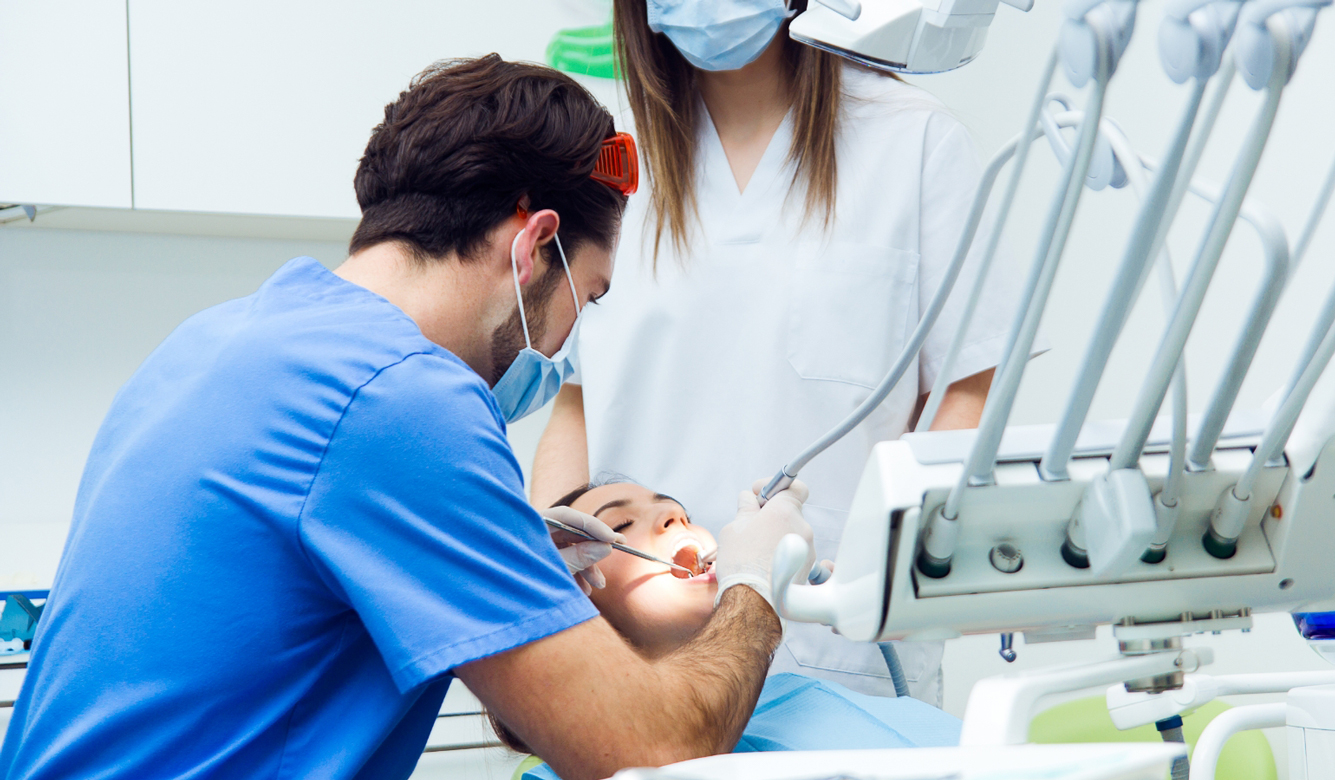
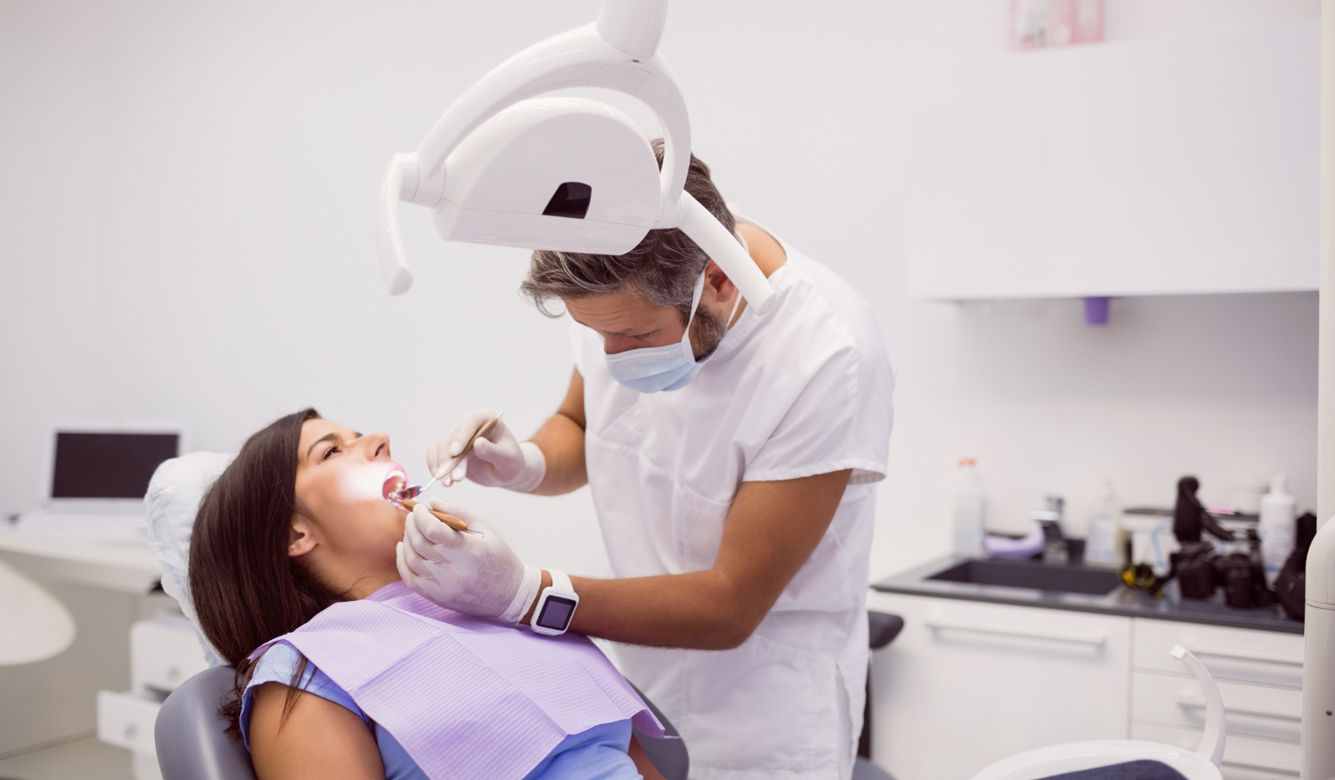
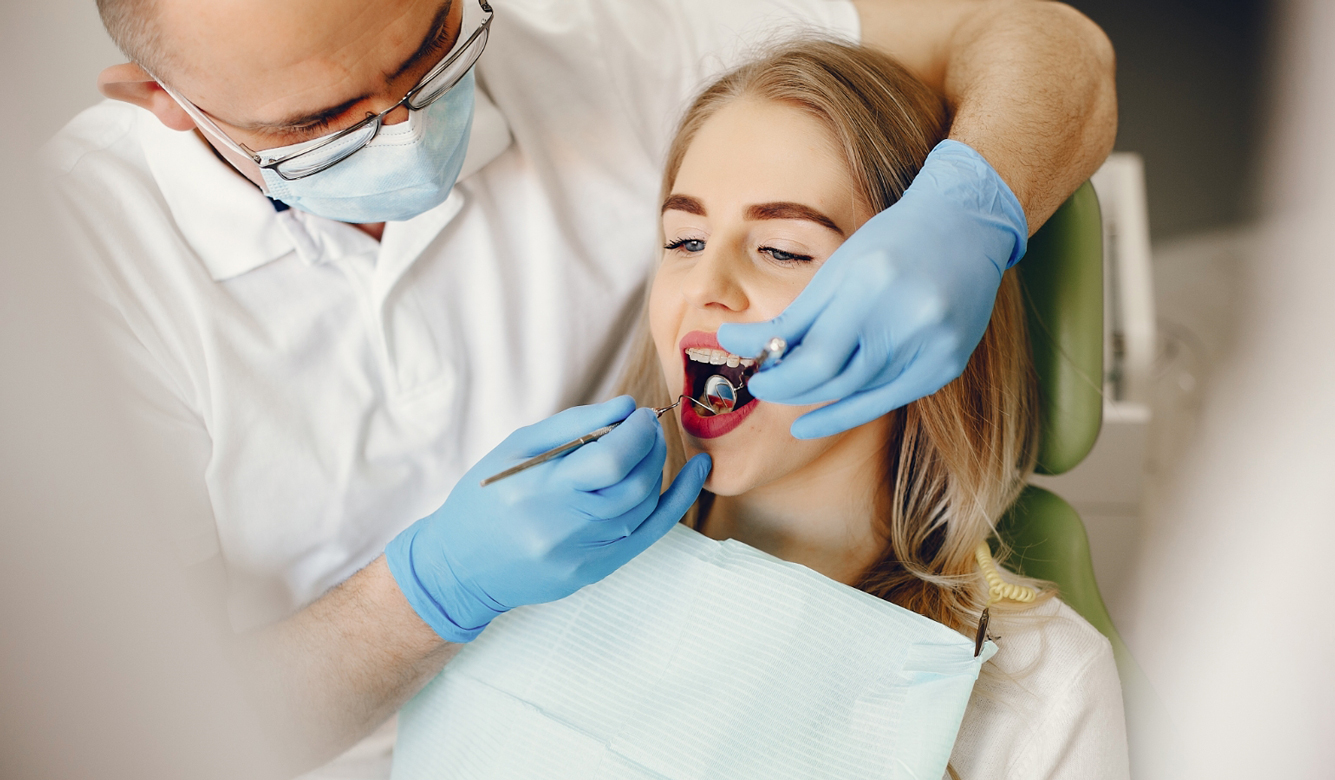
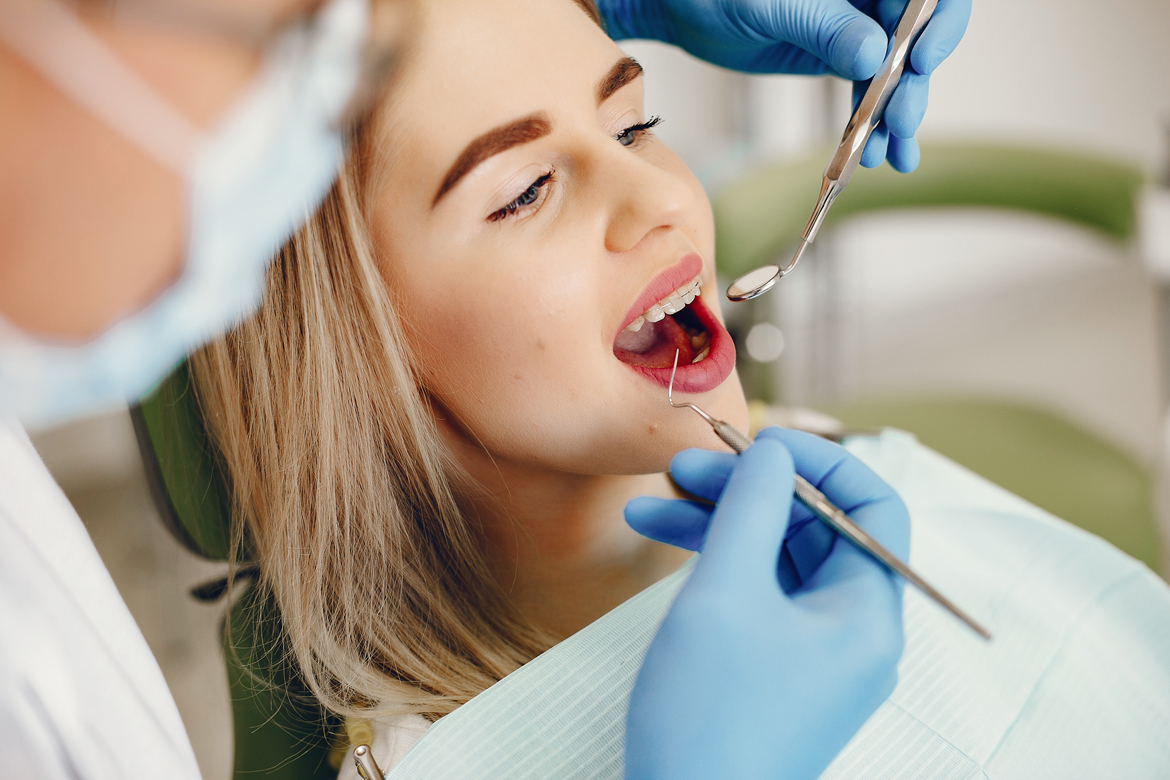
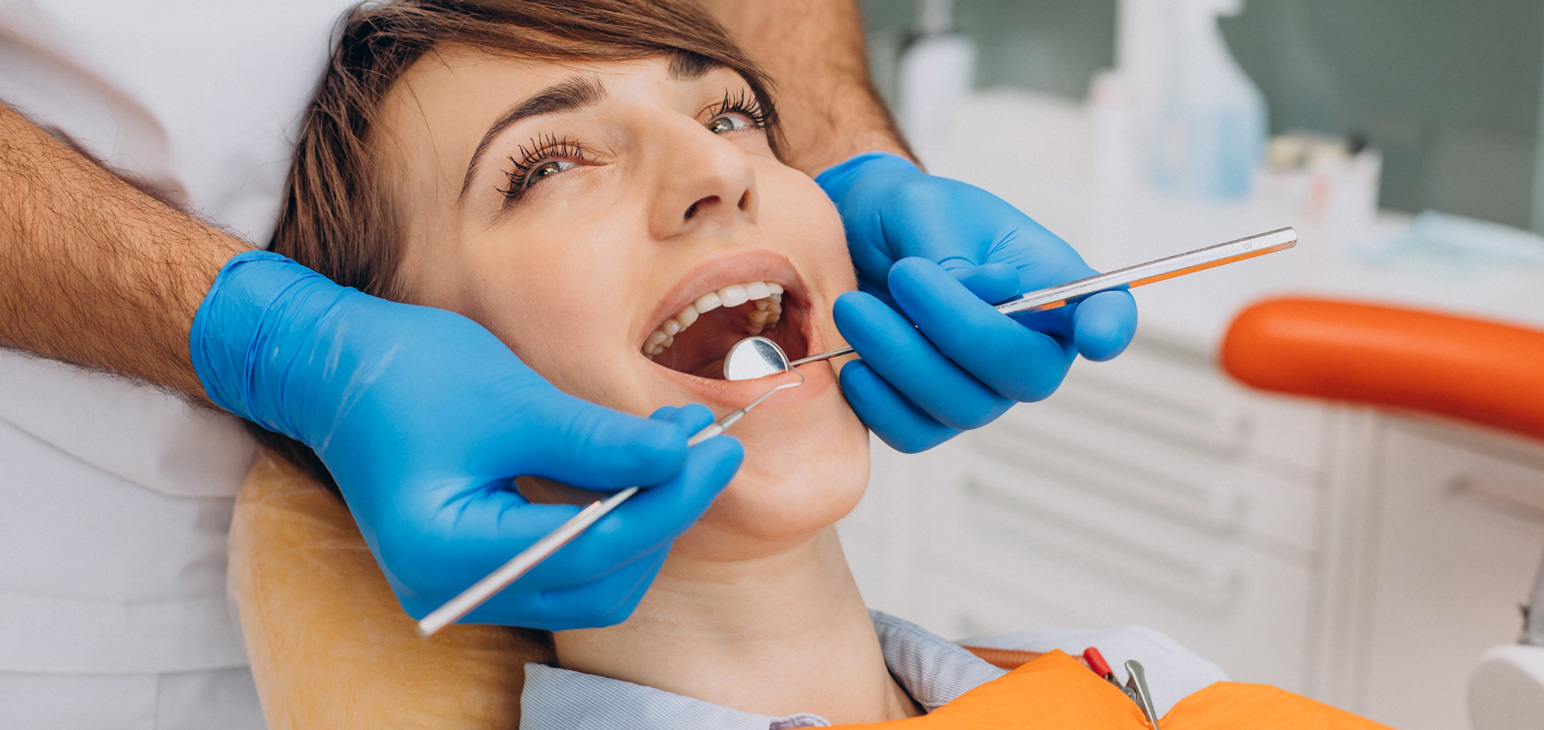
- Regular scale and clean appointments remove hardened tartar that home brushing cannot touch, polishing your teeth and reducing bacteria along the gumline.
- Routine dental check-ups, generally every six months, allow your dentist to catch early signs of decay or gum disease before they progress.
- Personalised oral hygiene advice, particularly helpful for patients with crowded teeth, dental work, or dry mouth, who may need tailored brushing or flossing techniques.
At Hastings Dental Centre, our Port Macquarie dentists take the time to assess your individual plaque risk factors, whether it is diet, dry mouth, tooth alignment, or simply a busy lifestyle that makes consistent home care difficult, and build a prevention plan around your needs.
Trusted Plaque and Tartar Removal in Port Macquarie
Serving patients throughout Port Macquarie and the broader New South Wales Mid North Coast region, including Wauchope, Kempsey, Laurieton, and surrounding communities, Hastings Dental Centre offers thorough, comfortable scale and clean treatments alongside comprehensive check-ups. We use modern diagnostic technology to assess gum health and catch plaque-related issues early, helping you avoid more invasive and costly treatment down the track.
Whether you are due for a routine clean, noticing bleeding gums, or simply want a professional opinion on your at-home oral hygiene routine, our friendly team is here to help. We welcome new patients from Port Macquarie and across New South Wales who are looking for a dentist they can rely on for honest, careful, and modern dental care.
Book Your Check-Up and Clean Today
Plaque never stops forming, but with the right daily habits and regular professional cleans, you can keep it under control and protect your smile for years to come. If it has been more than six months since your last clean, or if you have noticed bleeding gums, bad breath, or a rough feeling on your teeth, now is the time to book an appointment.
📞 Call us today to book your consultation and take the first step towards a complete and comfortable smile.
(02) 6583 7211 | info@hastingsdentalcentre.com.au
Mon–Thu 8am–5pm | Fri 8am–1pm | Sat by appointment